Table of Contents
The first useful buying decision is to define the interface that the screw must control. Nominal size and catalog appearance can help narrow a search, but the completed joint determines whether the proposed item is suitable. This guide addresses phillips drive self drilling screws through a defined problem: match recess and bit before bulk buying.
Consider this purchasing or installation scenario: A buying team receives screws that look alike but drive differently. Compare bit fit, recess engagement, and the actual seating result on one controlled setup. The following checks help a buyer decide what evidence to collect and which feature to review first.

Phillips drive self drilling screws: the application boundary
A Phillips recess must match the bit profile and allow full engagement before drilling begins. Recess depth, surface contamination, bit wear, and access angle can change the force needed to keep the bit engaged. A product photograph cannot verify the recess dimensions or the suitability of the installation tool.
For phillips drive self drilling screws, begin with the condition in the scenario above. Write the required outcome on the inquiry or trial sheet before selecting a substitute. That record should distinguish a demonstrated installation result from a claim about every possible use of the product.
Plan the phillips drive self drilling screws comparison
Run trials with the intended bit size, including a fresh bit and the agreed service condition. Check for slip before breakthrough and near final seating. Record recess damage separately from the quality of the drilled hole so the team can tell a drive-interface issue from a point or substrate issue.
A useful phillips drive self drilling screws trial keeps the screw, mating material, and operating conditions identifiable. Compare the accepted result with the original requirement and record any limitation that the trial did not address.
Recognize the phillips drive self drilling screws failure mechanism
Repeated bit slip can damage the recess and coating before the joint seats. Increasing driver speed or downward force without examining fit can conceal the underlying mismatch. Replace damaged bits and compare correctly aligned trials before changing the screw specification.
When investigating phillips drive self drilling screws, retain a failed assembly and unused parts from the same delivery. Their condition allows the receiving and application teams to discuss the same event rather than compare unrelated samples.
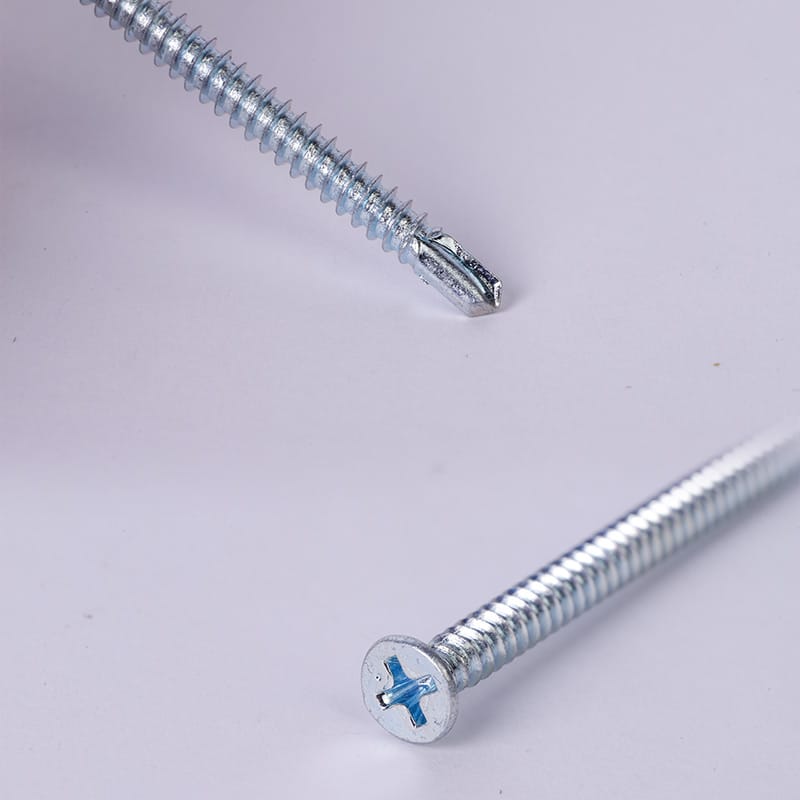
Inspect the head bearing surface
In phillips drive self drilling screws, the head transfers force into the attached component through its contact area. Examine the actual seated interface rather than judging the loose head alone. A conical head needs a suitable mating recess, while a projecting head needs sufficient supporting area and clearance. Look for rocking, local indentation, an enlarged hole, or contact on only a small portion of the intended bearing face.
For phillips drive self drilling screws, compare the installed head position with a defined reference surface and acceptance condition. Flush appearance, clamp force, and resistance to pull-through are different observations. A head can look neat while the material below it has been crushed or removed. Where the surface is hidden after assembly, inspect it during the sample stage or through an agreed sectioned example. Keep any proposed head change linked to a review of the mating part and the installation tool.
Apply this check to phillips drive self drilling screws by keeping the same application boundary used in the first trial. The relevant starting point is the proposed item and its actual mating part, rather than a superficially similar catalog photograph.
Check effective thread engagement
For phillips drive self drilling screws, identify the receiving material that actually carries the thread. The visible length beyond the joint does not describe the engagement inside it. A point, unthreaded portion, gap, or clearance hole can occupy length without contributing the intended retention. Use a stack drawing and a representative assembled sample to locate the useful thread relative to the support, particularly when the fastening passes through more than one layer.
Do not translate screw-only strength into a joint capacity. Thin sheet can strip, a panel can pull over the head, and wood or composite material can fail around an intact screw. Observe the failure location and compare it with the connection requirement. Increasing length or diameter may change installation behavior and nearby clearances without curing the original mechanism. Any change should therefore be assessed on the actual joint rather than accepted from the nominal size alone.
In the phillips drive self drilling screws record, identify which condition is being changed and which condition remains controlled. That distinction lets the buyer connect an observed improvement to a specific decision instead of attributing it to the entire product description.
Write acceptance criteria before receiving stock
Specify what constitutes acceptance for identity, geometry, finish condition, packaging, and the relevant functional result. Define how each requirement will be checked and who will review a disagreement. Keep the criteria connected to the purchase specification so a receiving team does not invent limits after the shipment has arrived. Appearance requirements need a usable reference where words such as neat or uniform are too subjective.
Agree how nonconforming or uncertain results will be handled. Separate an identified defect from a missing document and from an observation that needs another measurement. Record the affected lot and quantity, and preserve the relevant samples. If acceptance depends on a customer system requirement, obtain that requirement before releasing stock for the application. A documented receiving decision should show what was checked, what was accepted, and which outstanding condition still prevents release.
The phillips drive self drilling screws approval should preserve the comparison setup as well as the outcome. If the next shipment, installation tool, or receiving material differs, review the affected condition before extending the earlier acceptance.
Plan incoming checks around real failure modes
For phillips drive self drilling screws, start receiving inspection with item identity, drawing revision, lot marking, and packaging condition. Keep suspected mixed lots apart until the identity is resolved. Select samples using an agreed plan, and record where they came from. Sampling only the most accessible open carton can miss variation elsewhere in the delivery. Check the features that matter to the intended joint, rather than collecting measurements simply because they are easy to take.
For phillips drive self drilling screws, link each observation to an acceptance condition and a disposition. A mislabeled item, a damaged carton, a dimensional difference, and a failed functional trial require different follow-up. Preserve the relevant sample and its label while the supplier investigates. If evidence is incomplete, state what is missing and hold the affected decision open. Do not turn an unperformed test into a pass or use a delivery-wide average to conceal individual unacceptable results.
For phillips drive self drilling screws, turn the observation into a question the supplier can answer: which drawing feature, test record, or supplied sample demonstrates the required condition? Keep a missing answer open until the relevant evidence arrives.
Keep packing and item identity aligned
For phillips drive self drilling screws, define the inner pack, carton, and shipment quantities using one consistent item code and unit of measure. Specify the label fields that receiving and picking staff need, such as size, head and point description, finish, quantity, and lot. Similar-looking lengths deserve particular attention because a correct product can still create installation failures when the wrong carton is selected.
For phillips drive self drilling screws, check the packed product against the label on a pilot delivery. Reconcile the stated piece count with the agreed verification method and account for packaging when using mass. Inspect whether transport handling damages points, heads, or the protective finish. Keep repacked stock traceable to its source lot. A new private-label design should preserve the technical identity of the screw instead of replacing it with a marketing name that warehouse staff cannot reliably distinguish.
An inspection of phillips drive self drilling screws is most useful when it produces a reproducible decision. Link the observation to the ordered item and the criterion that determines acceptance, rework, further investigation, or rejection.
Approve samples with a usable record
For phillips drive self drilling screws, attach a reference drawing and an application note to the sample rather than keeping an unidentified screw in a drawer. Record the sample source, date, lot if known, and trial setup. State which features were measured and which installation or connection requirements were demonstrated. An appearance-only approval should remain an appearance-only record until the necessary functional checks have been completed.
For phillips drive self drilling screws, retain an approved reference and a representative mating part when practical. Set a process for changes to point geometry, material, finish, packing, or the manufacturing route where those changes affect the requirement. A replacement sample needs its own review if it differs from the approved item. The purpose of the record is to let a different person reproduce the purchasing decision months later without guessing what the original loose sample was meant to prove.
Treat the phillips drive self drilling screws requirement as a property of this defined application. A change in geometry, substrate, finish, or installation method can require another comparison even when the commercial item name remains familiar.
Phillips drive self drilling screws: compare the available evidence
Use the table below to keep the phillips drive self drilling screws decision tied to the intended connection. It compares kinds of evidence, not invented performance ratings for competing screws. The application trial and the supplier documents should identify the same proposed item.
| Check | Catalog or loose sample | Application evidence to request |
|---|---|---|
| Head and drive | Shows visible form | Fit on the mating part and with the intended tool |
| Point and thread | Identifies a proposed geometry | Installation and retention on the actual substrate |
| Finish | May show color or a broad finish name | Identified coating and relevant condition after handling and driving |
| Size | Gives nominal dimensions | Agreed reference points, tolerances, and stack clearance |
| Repeat order | Provides an item description | Drawing revision, retained sample, lot identification, and acceptance record |
For technical background, consult the ISO 10666 listing for drilling screw mechanical and functional properties. Check the applicable scope and the project requirement. This reference does not certify a Yizhengyu product or establish acceptance of the proposed phillips drive self drilling screws application.
Prepare a phillips drive self drilling screws inquiry
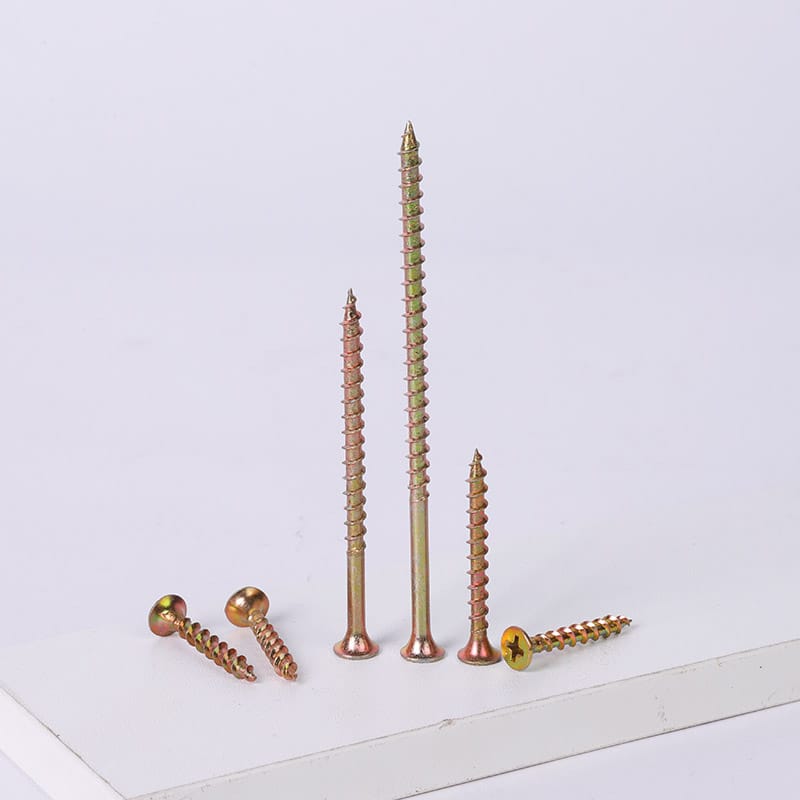
Yizhengyu lists Countersunk Self Drilling Screw in its product range. Use that page to start a discussion about phillips drive self drilling screws, then ask for an identified drawing, surface-treatment description, and sample suitable for your joint. Catalog dimensions and appearance need confirmation against the actual order requirement.
Its product consultation and customization services describe support for specification, samples, production coordination, packaging, and after-sales questions. For phillips drive self drilling screws, send the mating material, thickness range, desired head position, tool details, order quantity, destination, and required evidence. Confirm the offered scope and delivery schedule in the quotation rather than treating website examples as a firm commitment.
Request a quote for phillips drive self drilling screws with the problem statement “Match Recess and Bit Before Bulk Buying” and a drawing or representative joint sample. The team can then review the proposed screw and the evidence needed for your application. Use the inquiry form below to provide those details and request the appropriate sample stage.
Frequently asked questions
What is the first check when I need to match recess and bit before bulk buying?
For phillips drive self drilling screws, identify the screw and mating material, then state the accepted installed condition. A Phillips recess must match the bit profile and allow full engagement before drilling begins. Recess depth, surface contamination, bit wear, and access angle can change the force needed to keep the bit engaged. A product photograph cannot verify the recess dimensions or the suitability of the installation tool.
Can a similar-looking screw be substituted?
Compare the head, drive, point, thread, material, finish, and dimensions. In a phillips drive self drilling screws evaluation, a photograph helps identify visible form but does not replace the drawing and application evidence needed to accept a substitution.
How should I evaluate phillips drive self drilling screws in a sample trial?
Run trials with the intended bit size, including a fresh bit and the agreed service condition. Check for slip before breakthrough and near final seating. Record recess damage separately from the quality of the drilled hole so the team can tell a drive-interface issue from a point or substrate issue.
Does a neat head prove the joint is acceptable?
No. Seating, retention, surface condition, exposure, and any system approval are different questions. Record what the trial actually demonstrated and obtain the remaining relevant evidence.
What should I include in an inquiry about phillips drive self drilling screws?
Include the drawing revision, receiving material, thickness range, head and drive, point and thread, surface treatment, quantity and packing unit, delivery destination, and agreed sample and inspection requirements. Describe the specific issue: match recess and bit before bulk buying.