Table of Contents
The first useful buying decision is to define the interface that the screw must control. Nominal size and catalog appearance can help narrow a search, but the completed joint determines whether the proposed item is suitable. This guide addresses nylon head self drilling screws through a defined problem: specify cap fit and color for repeat orders.
Consider this purchasing or installation scenario: A cladding fabricator needs consistent visible heads across replacement batches. Establish a retained color reference and a separate installation acceptance sample. The following checks help a buyer decide what evidence to collect and which feature to review first.
Nylon head self drilling screws: the application boundary
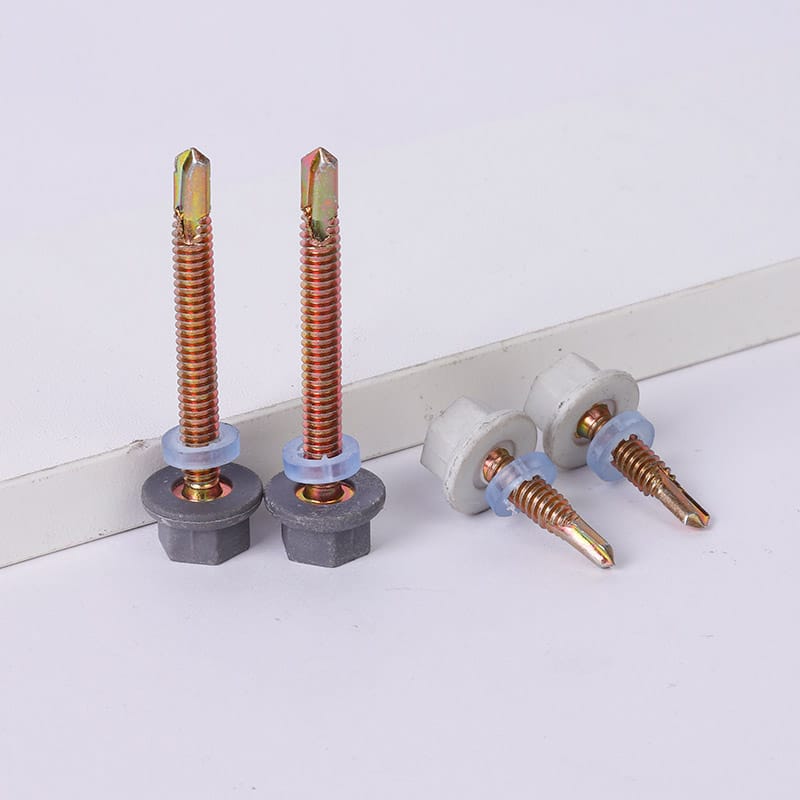
A nylon cap changes the visible head surface and the way a socket approaches the screw. It does not by itself demonstrate a watertight joint, electrical isolation of the full assembly, or suitability for a particular fire or outdoor exposure requirement. Those are separate system properties.
For nylon head self drilling screws, begin with the condition in the scenario above. Write the required outcome on the inquiry or trial sheet before selecting a substitute. That record should distinguish a demonstrated installation result from a claim about every possible use of the product.
Plan the nylon head self drilling screws comparison
Assess cap fit, color consistency, socket access, and retention after a representative driving cycle. If the part will see temperature changes, cleaners, or sunlight, request an agreed evaluation for those exposures. Inspect the cap again after transport and installation rather than only on unopened samples.
A useful nylon head self drilling screws trial keeps the screw, mating material, and operating conditions identifiable. Compare the accepted result with the original requirement and record any limitation that the trial did not address.
Recognize the nylon head self drilling screws failure mechanism
A cap that twists, cracks, or lifts may be affected by interference with the socket or excessive driving force. Water entry below a capped head can come from the joint detail even if the cap looks intact. Investigate the seal and panel interface independently.
When investigating nylon head self drilling screws, retain a failed assembly and unused parts from the same delivery. Their condition allows the receiving and application teams to discuss the same event rather than compare unrelated samples.
Distinguish thread form from nominal diameter
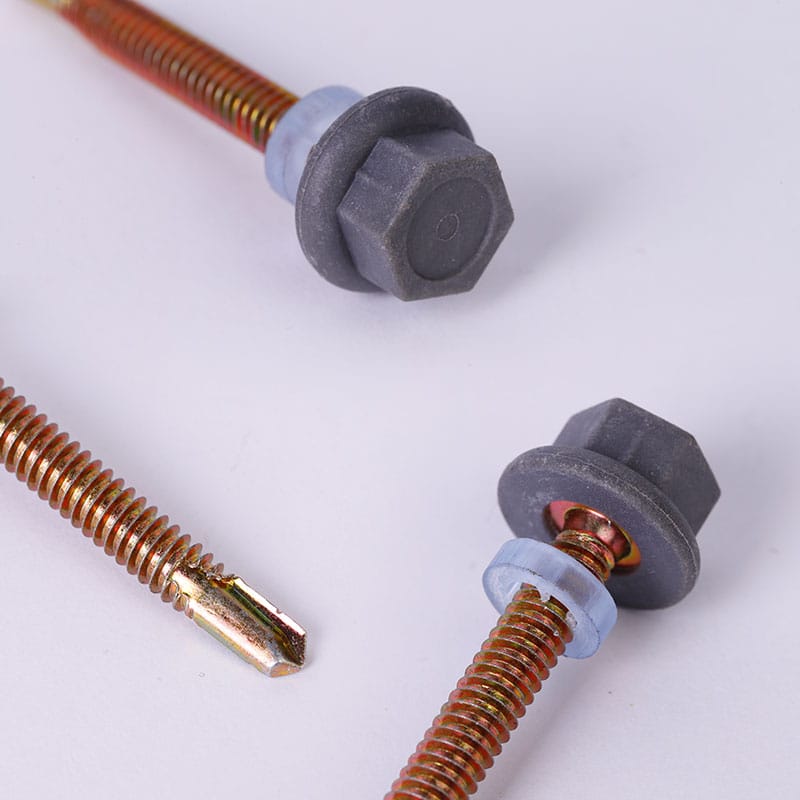
In nylon head self drilling screws, two screws described with the same diameter can have different thread profiles, pitches, and point arrangements. Those differences can change installation and engagement in the receiving material. Use the agreed drawing or product specification to identify the relevant form. A caliper measurement over a convenient part of the thread does not by itself verify every thread feature or demonstrate fit in the intended joint.
When a thread check is required, agree the method and equipment appropriate to the specified screw. Keep any functional trial separate from dimensional observations: a screw can fit an oversize test hole without meeting its own drawing. Inspect damaged and unused thread portions separately after a complaint. Before substituting another form, compare the receiving material, prepared hole if present, and installed result rather than assuming the diameter description makes the parts interchangeable.
Apply this check to nylon head self drilling screws by keeping the same application boundary used in the first trial. The relevant starting point is the proposed item and its actual mating part, rather than a superficially similar catalog photograph.
Evaluate a proposed substitution explicitly
For nylon head self drilling screws, list every difference between the approved item and the proposed alternative. Include head form, drive, point, thread, material, finish, dimensions, and packing identity where relevant. A supplier’s description of an equivalent item should be treated as a proposal with defined differences. Match each change to the assembly function it could affect so the review can focus on meaningful evidence.
Decide which checks need repeating before accepting the alternative. A head change may affect seating and tool access, while a point change may affect cutting or required length. A finish change can affect appearance and exposure requirements. Keep the original and proposed samples identified throughout the comparison. If the alternative is accepted, update the controlled item record and notify the people responsible for receiving and installation so both configurations do not circulate under an ambiguous code.
In the nylon head self drilling screws record, identify which condition is being changed and which condition remains controlled. That distinction lets the buyer connect an observed improvement to a specific decision instead of attributing it to the entire product description.
Make the dimensions reproducible
A dimensional check for nylon head self drilling screws needs agreed reference points, an identified instrument, and an item drawing. Record how length is measured for the actual head style, where diameter is checked, and which head and point features are critical. Avoid comparing one supplier’s nominal catalog entry with another supplier’s measured sample as if both were the same kind of evidence. Keep any measurement uncertainty visible when a reading is close to an agreed limit.
For nylon head self drilling screws, measure more than the easiest exposed feature. The head, recess, point, thread, and straightness can each influence assembly even when overall length matches. Retain the individual observations rather than only an average, because an acceptable average can conceal an unusable part. If the order lacks tolerances, agree them with the supplier before treating a small difference as a rejection. Photograph the measurement arrangement when its position is not obvious from the record.
The nylon head self drilling screws approval should preserve the comparison setup as well as the outcome. If the next shipment, installation tool, or receiving material differs, review the affected condition before extending the earlier acceptance.
Build a controlled installation comparison
For nylon head self drilling screws, compare the proposed screw and the current reference on the same identified substrate conditions. Keep the driver, bit or socket, operator method, and stopping rule consistent while the fastener changes. Include the relevant thickness extremes and realistic access restrictions. Assign each assembly a sample number so photographs, observations, and any later retention checks can be matched to the correct screw and support.
For nylon head self drilling screws, record every attempted installation, including stalls, slips, stripped holes, and resets. Report successful seating separately from acceptable joint performance. Repeating a few easy insertions until one looks good is not a representative approval method. If several variables must change together, document that as a different setup and compare it separately. Use an agreed sampling and acceptance plan for the intended risk rather than inventing a universal trial quantity.
For nylon head self drilling screws, turn the observation into a question the supplier can answer: which drawing feature, test record, or supplied sample demonstrates the required condition? Keep a missing answer open until the relevant evidence arrives.
Control quotation scope
For nylon head self drilling screws, give every bidder the same drawing revision, application description, surface treatment, packing unit, and acceptance requirements. Ask suppliers to identify deviations explicitly. Separate the price for the specified item from an alternative proposal so the commercial comparison does not hide a technical change. Keep sample costs, tooling arrangements, order quantity, delivery terms, and included inspection evidence visible in the quotation review.
For nylon head self drilling screws, evaluate the cost per accepted ordering unit. A kilogram price and a price per thousand pieces require a verified conversion before comparison. Freight, packing, rejected pieces, and installation disruption can change the practical purchasing outcome. Do not assign assumed values to these costs when data are unavailable. First align the technical and commercial scope, then request the missing figures from the supplier. Keep any provisional comparison clearly identified until the open items are resolved.
An inspection of nylon head self drilling screws is most useful when it produces a reproducible decision. Link the observation to the ordered item and the criterion that determines acceptance, rework, further investigation, or rejection.
Write acceptance criteria before receiving stock
Specify what constitutes acceptance for identity, geometry, finish condition, packaging, and the relevant functional result. Define how each requirement will be checked and who will review a disagreement. Keep the criteria connected to the purchase specification so a receiving team does not invent limits after the shipment has arrived. Appearance requirements need a usable reference where words such as neat or uniform are too subjective.
Agree how nonconforming or uncertain results will be handled. Separate an identified defect from a missing document and from an observation that needs another measurement. Record the affected lot and quantity, and preserve the relevant samples. If acceptance depends on a customer system requirement, obtain that requirement before releasing stock for the application. A documented receiving decision should show what was checked, what was accepted, and which outstanding condition still prevents release.
Treat the nylon head self drilling screws requirement as a property of this defined application. A change in geometry, substrate, finish, or installation method can require another comparison even when the commercial item name remains familiar.
Nylon head self drilling screws: compare the available evidence
Use the table below to keep the nylon head self drilling screws decision tied to the intended connection. It compares kinds of evidence, not invented performance ratings for competing screws. The application trial and the supplier documents should identify the same proposed item.
| Check | Catalog or loose sample | Application evidence to request |
|---|---|---|
| Head and drive | Shows visible form | Fit on the mating part and with the intended tool |
| Point and thread | Identifies a proposed geometry | Installation and retention on the actual substrate |
| Finish | May show color or a broad finish name | Identified coating and relevant condition after handling and driving |
| Size | Gives nominal dimensions | Agreed reference points, tolerances, and stack clearance |
| Repeat order | Provides an item description | Drawing revision, retained sample, lot identification, and acceptance record |
For technical background, consult the ISO 10666 listing for drilling screw mechanical and functional properties. Check the applicable scope and the project requirement. This reference does not certify a Yizhengyu product or establish acceptance of the proposed nylon head self drilling screws application.
Prepare a nylon head self drilling screws inquiry
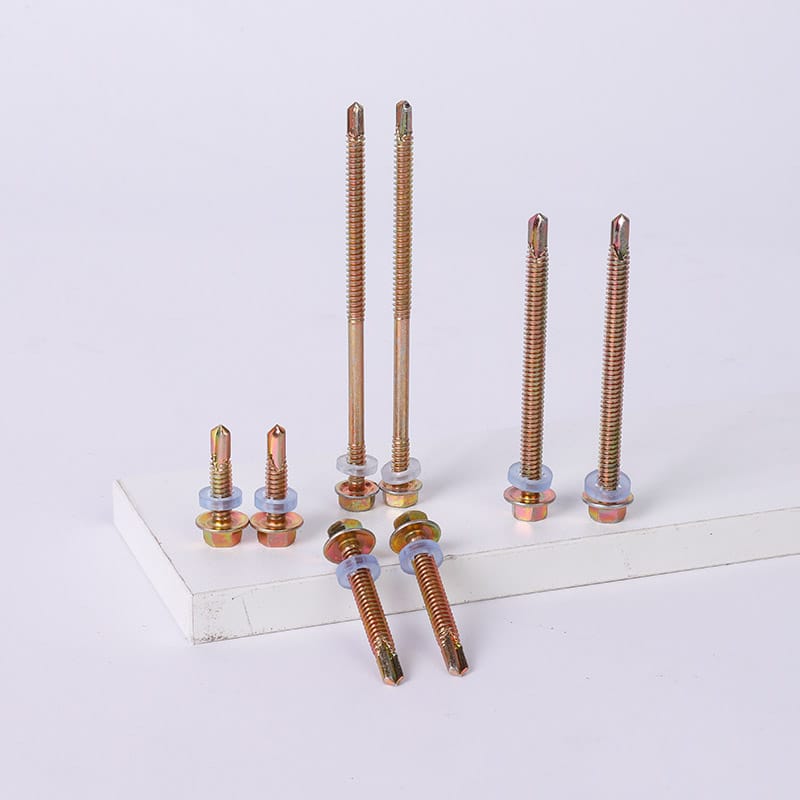
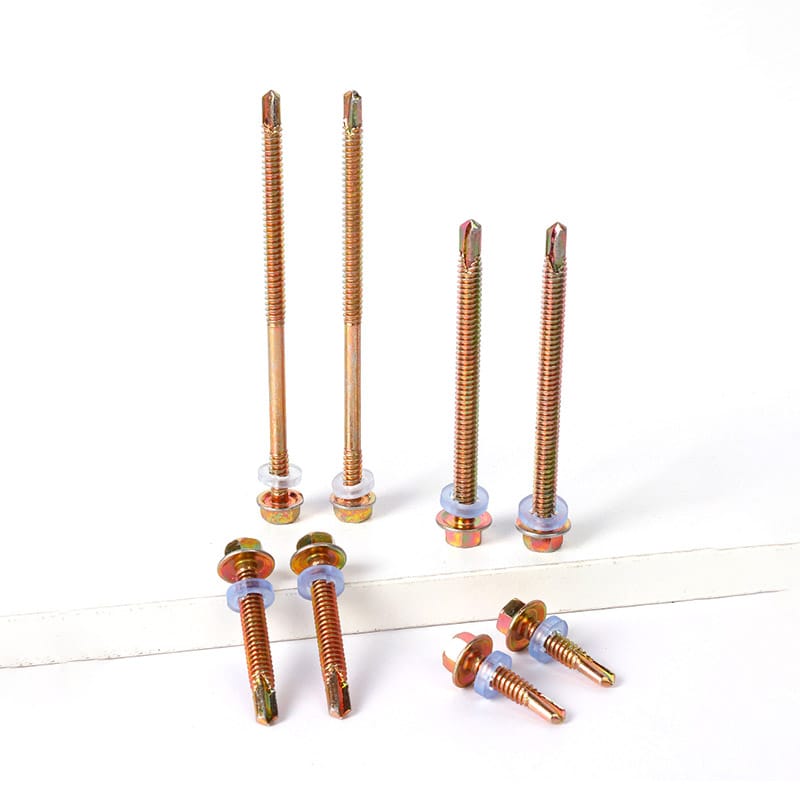
Yizhengyu lists Nylon Head Hex Self-Drilling Screws (color zinc plated) in its product range. Use that page to start a discussion about nylon head self drilling screws, then ask for an identified drawing, surface-treatment description, and sample suitable for your joint. Catalog dimensions and appearance need confirmation against the actual order requirement.
Its product consultation and customization services describe support for specification, samples, production coordination, packaging, and after-sales questions. For nylon head self drilling screws, send the mating material, thickness range, desired head position, tool details, order quantity, destination, and required evidence. Confirm the offered scope and delivery schedule in the quotation rather than treating website examples as a firm commitment.
Request a quote for nylon head self drilling screws with the problem statement “Specify Cap Fit and Color for Repeat Orders” and a drawing or representative joint sample. The team can then review the proposed screw and the evidence needed for your application. Use the inquiry form below to provide those details and request the appropriate sample stage.
Frequently asked questions
What is the first check when I need to specify cap fit and color for repeat orders?
For nylon head self drilling screws, identify the screw and mating material, then state the accepted installed condition. A nylon cap changes the visible head surface and the way a socket approaches the screw. It does not by itself demonstrate a watertight joint, electrical isolation of the full assembly, or suitability for a particular fire or outdoor exposure requirement. Those are separate system properties.
Can a similar-looking screw be substituted?
Compare the head, drive, point, thread, material, finish, and dimensions. In a nylon head self drilling screws evaluation, a photograph helps identify visible form but does not replace the drawing and application evidence needed to accept a substitution.
How should I evaluate nylon head self drilling screws in a sample trial?
Assess cap fit, color consistency, socket access, and retention after a representative driving cycle. If the part will see temperature changes, cleaners, or sunlight, request an agreed evaluation for those exposures. Inspect the cap again after transport and installation rather than only on unopened samples.
Does a neat head prove the joint is acceptable?
No. Seating, retention, surface condition, exposure, and any system approval are different questions. Record what the trial actually demonstrated and obtain the remaining relevant evidence.
What should I include in an inquiry about nylon head self drilling screws?
Include the drawing revision, receiving material, thickness range, head and drive, point and thread, surface treatment, quantity and packing unit, delivery destination, and agreed sample and inspection requirements. Describe the specific issue: specify cap fit and color for repeat orders.