coil nails stainless steel should be selected as part of a complete fastening system, not as an isolated catalog item. The practical objective is verifying the actual alloy grade and environment instead of accepting an unspecified stainless label. This guide gives contractors, importers, distributors, and production buyers a documented way to compare options before ordering.
Demand for coil nails stainless steel is tied to coastal construction, cedar work, outdoor packaging, corrosive processing areas, and appearance-sensitive fastening. Requirements vary by product and jurisdiction, so the current manufacturer instructions and project documents must control the final decision.
What Are coil nails stainless steel?
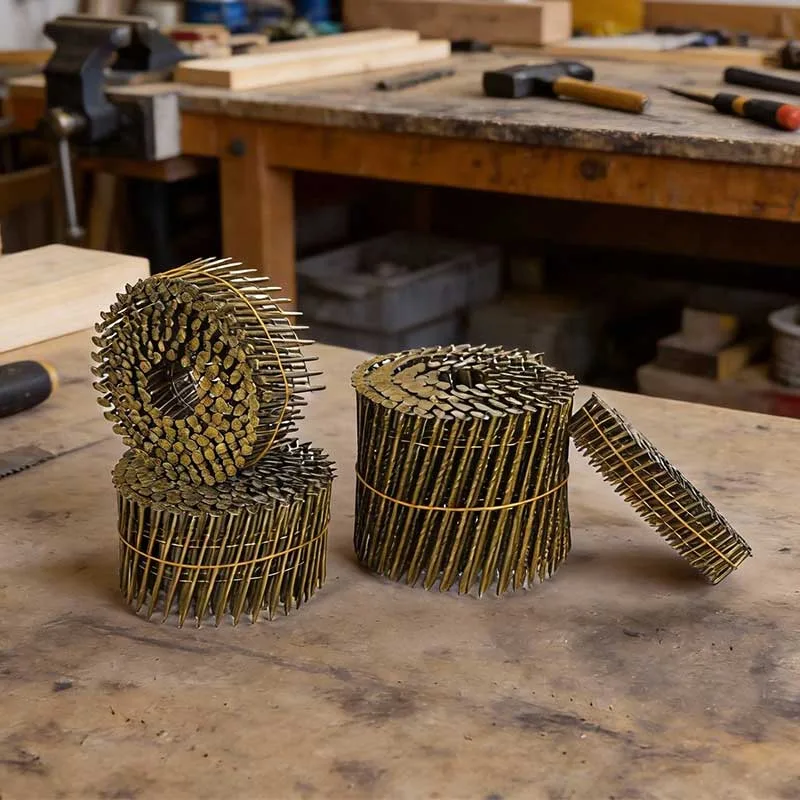
coil nails stainless steel refers to the fastener or tool category buyers use for coastal construction, cedar work, outdoor packaging, corrosive processing areas, and appearance-sensitive fastening. The search phrase can cover multiple diameters, lengths, head styles, shanks, finishes, collation formats, or tool models. A supplier quotation should therefore translate the phrase into measurable fields.
A productive setup depends on the complete fastening system: tool, fastener, air supply, workpiece, operator method, and maintenance plan. Nominal labels are useful for discovery, but they do not replace the dimensional limits in the tool manual or the fastening requirements for the job.
Before procurement, identify the application, substrate, environment, governing installation schedule, compatible equipment, order volume, packaging, and required evidence. This prevents a low unit price from hiding costs caused by jams, corrosion, callbacks, repacking, or rejected lots.
How to Specify coil nails stainless steel
A complete coil nails stainless steel inquiry should state every field that can change fit, performance, appearance, or compliance. Start with the controlling project document, then add commercial requirements. The following factors deserve explicit confirmation:
- 304 or 316 alloy designation and material certificate
- chloride, moisture, chemical, and treated-wood exposure
- galvanic compatibility with adjoining materials
- shank style and required holding behavior
- wire weld quality and corrosion at collation points
- tool compatibility, sample firing, and batch traceability
Ask the supplier for a dimensioned drawing rather than relying only on a product name. The drawing should show nail length, shank diameter, head diameter, point, collation geometry, pitch, coil dimensions, and packaging where applicable. Tool orders should also identify operating pressure, magazine range, trigger, driver, and service parts.
Buyer Comparison Table
| Decision area | What to define | Evidence to request |
|---|---|---|
| Application | 304 or 316 alloy designation and material certificate | Match the governing instructions |
| Dimensions | chloride, moisture, chemical, and treated-wood exposure | Record tolerances in both inch and metric units |
| Material | galvanic compatibility with adjoining materials | Request certificates or coating evidence |
| Tool or installation | shank style and required holding behavior | Approve a sample under production conditions |
The table is an RFQ framework, not a universal installation schedule. Add the project-specific values, acceptance limits, sampling method, and remedy for nonconforming goods. For related dimensional language, use our coated coil nail product page, coil nail sizes guide, nailer jam troubleshooting guide, and specification-sheet guide.
Sample and Production Testing
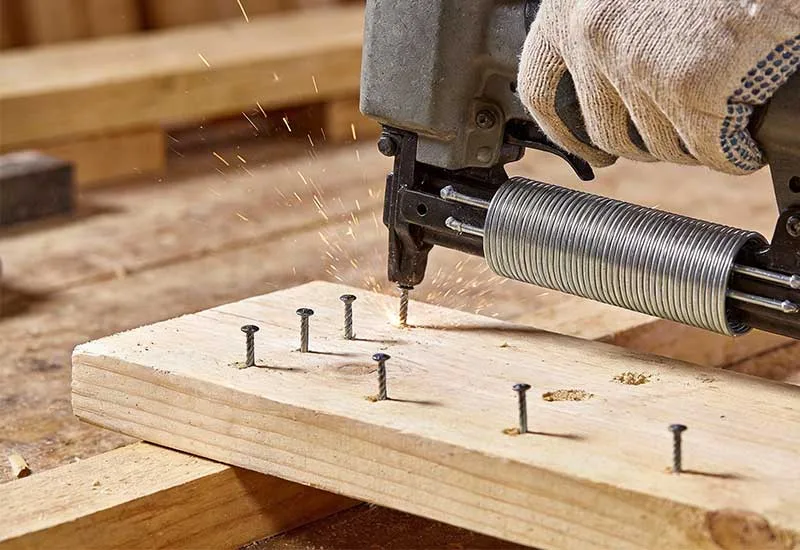
For a production trial, load a full coil, run the tool at the manufacturer’s recommended pressure, and record feed consistency, seating depth, double-fire behavior, wire debris, jams, and component wear. Test across the actual substrate and operating pace. Do not raise air pressure to mask a poor fit.
Inspect more than the first successful drive. Run enough cycles to expose feed variation, coating damage, dimensional drift, or operator sensitivity. Record the tool model, pressure, substrate, fastener lot, temperature, and observations so a repeat order can be compared with the approved sample.
Common Purchasing Mistakes
- Buying by name alone: the same commercial phrase can describe several incompatible products.
- Ignoring the governing instructions: a fastener that fits a tool may still be unsuitable for the assembly.
- Using price as the only comparison: rejected cartons, downtime, corrosion, and rework can exceed the initial saving.
- Skipping certificates and samples: unverified material or coating claims are difficult to resolve after shipment.
- Changing multiple variables at once: a controlled trial should isolate pressure, fastener, substrate, and technique.
For safety and operating context, consult JLC siding fastener field guide. Follow the tool and material manufacturers’ current instructions, training requirements, and local regulations.
Bulk-Buying Checklist for coil nails stainless steel
- Application, substrate, exposure, and governing instruction revision
- Complete dimensions, tolerances, head, point, shank, and finish
- Collation type, angle, pitch, coil capacity, and compatible tool models
- Material grade, coating specification, and requested certificates
- Sample approval method and incoming inspection plan
- Pieces per coil or pack, cartons per pallet, labels, and moisture protection
- Batch traceability, production lead time, replacement terms, and spare parts
Keep an approved reference sample and signed specification with the purchase order. On arrival, inspect random cartons from different pallet positions. Compare dimensions, finish, collation, packaging, labels, and trial performance before releasing the entire lot.
Frequently Asked Questions
How should buyers evaluate coil nails stainless steel?
Evaluate the governing application requirements first, then dimensional compatibility, material, finish, tool fit, evidence, packaging, and trial results. No single field proves suitability.
Is a nominal angle or size enough to confirm compatibility?
No. Head diameter, shank diameter, length, pitch, collation material, coil height, feed geometry, and the tool’s published range may also matter.
What documents should accompany a bulk order?
Use a signed drawing, purchase specification, approved sample, packing standard, inspection criteria, and any required material or coating certificate. Keep batch identifiers on cartons and pallets.
When should a buyer reject or quarantine a lot?
Quarantine the lot when dimensions, finish, labels, packaging, certificates, or sample firing differ from the approved specification. Investigate before mixing it with accepted stock.
Request a coil nails stainless steel Specification Review
Yi Zhengyu Metal Products can review coil nails stainless steel requirements for commercial and industrial orders. Send the application, dimensions, finish, shank, nailer model, annual volume, testing expectations, and packaging needs through the contact page for a sample-based quotation.