Tabla de contenidos
La primera decisión de compra útil es definir la interfaz que debe controlar el tornillo. El tamaño nominal y la apariencia del catálogo pueden ayudar a limitar la búsqueda, pero la unión completa determina si el artículo propuesto es adecuado. Esta guía aborda sheet metal screws through a defined problem: distinguish pull-over from thread stripping.
Consider this purchasing or installation scenario: An enclosure joint fails even though the screws are intact. Inspect panel bearing and support engagement before increasing screw length. The following checks help a buyer decide what evidence to collect and which feature to review first.
Sheet metal screws: the application boundary
A sheet-metal connection has at least two relevant functions: forming a hole and transferring force through the completed joint. Thin supports may provide only limited thread engagement. The panel may pull over the head even when the screw remains intact, so a screw-only strength statement is incomplete.
For sheet metal screws, begin with the condition in the scenario above. Write the required outcome on the inquiry or trial sheet before selecting a substitute. That record should distinguish a demonstrated installation result from a claim about every possible use of the product.
Plan the sheet metal screws comparison
Identify the attached sheet, supporting sheet, stack arrangement, edge distances, and any gap between layers. Test the assembled connection for the intended loading direction. Record whether the failure occurs at the head bearing surface, in the support threads, or in the screw itself.
A useful sheet metal screws trial keeps the screw, mating material, and operating conditions identifiable. Compare the accepted result with the original requirement and record any limitation that the trial did not address.
Recognize the sheet metal screws failure mechanism
Spinning at final seating often signals stripped support threads, while a distorted panel may indicate excessive bearing pressure or unsupported geometry. Longer screws do not automatically improve either condition. The part of the screw beyond the effective support may contribute little to the joint.
When investigating sheet metal screws, retain a failed assembly and unused parts from the same delivery. Their condition allows the receiving and application teams to discuss the same event rather than compare unrelated samples.
Identify which part failed in the enclosure connection
Separate the removed enclosure panel, supporting member, and screws. Look for an enlarged opening around the head in the panel, damaged thread engagement in the support, and any fracture in the screw. Keep those observations on different lines of the investigation record. An intact screw recovered after a failed joint does not establish that the connection carried the required load or that its geometry was appropriate.
Use the original enclosure detail to plan the next comparison. Check head bearing, the actual support thickness, the hole condition, and whether the panel was clamped without a gap. If the panel pulls over the head, investigate the panel and bearing geometry. If the support hole strips, examine engagement and installation. A replacement that changes diameter or head form needs a trial on the same defined joint so the buying team can see which mechanism improved and which requirement still needs evidence.
Apply this check to sheet metal screws by keeping the same application boundary used in the first trial. The relevant starting point is the proposed item and its actual mating part, rather than a superficially similar catalog photograph.
Escriba los criterios de aceptación antes de recibir acciones
For sheet metal screws, specify what constitutes acceptance for identity, geometry, finish condition, packaging, and the relevant functional result. Define how each requirement will be checked and who will review a disagreement. Keep the criteria connected to the purchase specification so a receiving team does not invent limits after the shipment has arrived. Appearance requirements need a usable reference where words such as neat or uniform are too subjective.
Acordar cómo se manejarán los resultados no conformes o inciertos. Separe un defecto identificado de un documento faltante y de una observación que necesite otra medición. Registre el lote y la cantidad afectados y conserve las muestras relevantes. Si la aceptación depende de un requisito del sistema del cliente, obtenga ese requisito antes de liberar existencias para la aplicación. Una decisión de recepción documentada debe mostrar qué se verificó, qué se aceptó y qué condición pendiente aún impide la liberación.
In the sheet metal screws record, identify which condition is being changed and which condition remains controlled. That distinction lets the buyer connect an observed improvement to a specific decision instead of attributing it to the entire product description.
Inspeccione la superficie del cojinete del cabezal
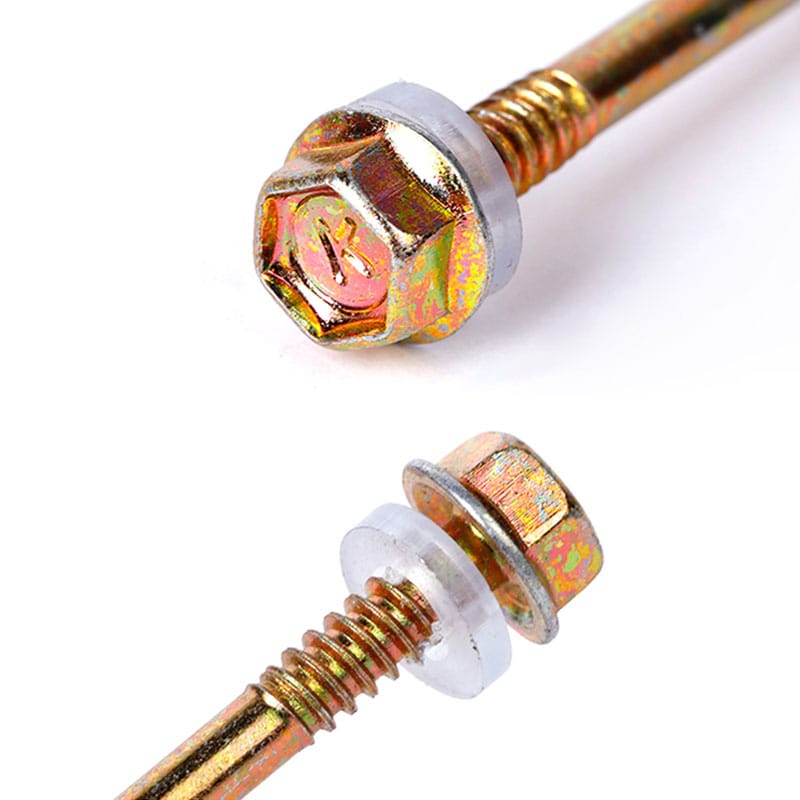
In sheet metal screws, the head transfers force into the attached component through its contact area. Examine the actual seated interface rather than judging the loose head alone. A conical head needs a suitable mating recess, while a projecting head needs sufficient supporting area and clearance. Look for rocking, local indentation, an enlarged hole, or contact on only a small portion of the intended bearing face.
For sheet metal screws, compare the installed head position with a defined reference surface and acceptance condition. Flush appearance, clamp force, and resistance to pull-through are different observations. A head can look neat while the material below it has been crushed or removed. Where the surface is hidden after assembly, inspect it during the sample stage or through an agreed sectioned example. Keep any proposed head change linked to a review of the mating part and the installation tool.
The sheet metal screws approval should preserve the comparison setup as well as the outcome. If the next shipment, installation tool, or receiving material differs, review the affected condition before extending the earlier acceptance.
Preservar evidencia de una denuncia
For sheet metal screws, capture the first visible problem before changing the driver setting or discarding the failed part. Retain the screw, the receiving material, and the carton label together. Photograph the failure location and record whether it occurred during installation, removal, storage, or service. Keep unused pieces from the same lot so the supplier can compare the original condition with the damaged assembly.
For sheet metal screws, build a short timeline of product, tool, substrate, and process changes. Separate what was observed from what is suspected. For example, a broken screw is an observation, while an assumed heat-treatment defect is a hypothesis needing evidence. Agree the affected quantity and the containment step while investigation continues. A useful corrective action identifies the demonstrated cause, the changed control, and a repeat trial showing that the agreed requirement is again met.
For sheet metal screws, turn the observation into a question the supplier can answer: which drawing feature, test record, or supplied sample demonstrates the required condition? Keep a missing answer open until the relevant evidence arrives.
Mida el tiempo de instalación productiva de manera justa
For a sheet metal screws time comparison, define when an installation starts and ends. Include the handling, tool reset, and rejected attempts that belong to the real process. Record the number of accepted joints separately from the number of screws driven. Timing only a successful insertion can favor a setup that looks fast but causes additional rework or inconsistent final seating.
Run both options under comparable access, substrate, operator, and tool conditions. Report the actual observation period and sample basis without inventing a universal productivity percentage. Keep the acceptance criterion constant while comparing time. If a faster setup changes the installed result, present that as a different outcome requiring review. A purchase decision can then consider the cost of an accepted connection rather than the speed of an isolated screw entering the material.
An inspection of sheet metal screws is most useful when it produces a reproducible decision. Link the observation to the ordered item and the criterion that determines acceptance, rework, further investigation, or rejection.
Check clearance across the tolerance range
A clearance review for sheet metal screws should use the permitted dimensions of both the fastener and the assembly. Mark the nearest finished face, moving part, cable route, or obstruction behind the support. Compare the longest permitted screw with the thinnest permitted stack, and the shortest useful engagement with the thickest stack. Nominal dimensions alone can miss both unwanted protrusion and insufficient retention.
Check head clearance as carefully as point clearance. The installed head and the tool used to reach it may occupy different envelopes. Include any extension, socket wall, or driver approach needed in production. If a proposed replacement changes head diameter or point length, review the actual space again. Preserve the limiting stack conditions in the drawing review so the production and buying teams do not rely on a single convenient sample assembly.
Treat the sheet metal screws requirement as a property of this defined application. A change in geometry, substrate, finish, or installation method can require another comparison even when the commercial item name remains familiar.
Sheet metal screws: compare the available evidence
Use the table below to keep the sheet metal screws decision tied to the intended connection. It compares kinds of evidence, not invented performance ratings for competing screws. The application trial and the supplier documents should identify the same proposed item.
| Verificar | Catálogo o muestra suelta | Solicitar pruebas para solicitar |
|---|---|---|
| Cabeza y conduce | Muestra forma visible | Encajar en la pieza correspondiente y con la herramienta prevista |
| Punto e hilo | Identifica una geometría propuesta | Instalación y retención sobre el sustrato real |
| Terminar | Puede mostrar color o un nombre de acabado amplio | Recubrimiento identificado y condición relevante después de la manipulación y conducción |
| Tamaño | Da dimensiones nominales | Puntos de referencia, tolerancias y holgura de pila acordados |
| Repetir orden | Proporciona una descripción del artículo | Revisión de dibujo, muestra retenida, identificación de lote y registro de aceptación |
Para obtener antecedentes técnicos, consulte el Listado ISO 10666 para propiedades mecánicas y funcionales del tornillo de perforación. Check the applicable scope and the project requirement. This reference does not certify a Yizhengyu product or establish acceptance of the proposed sheet metal screws application.
Prepare a sheet metal screws inquiry
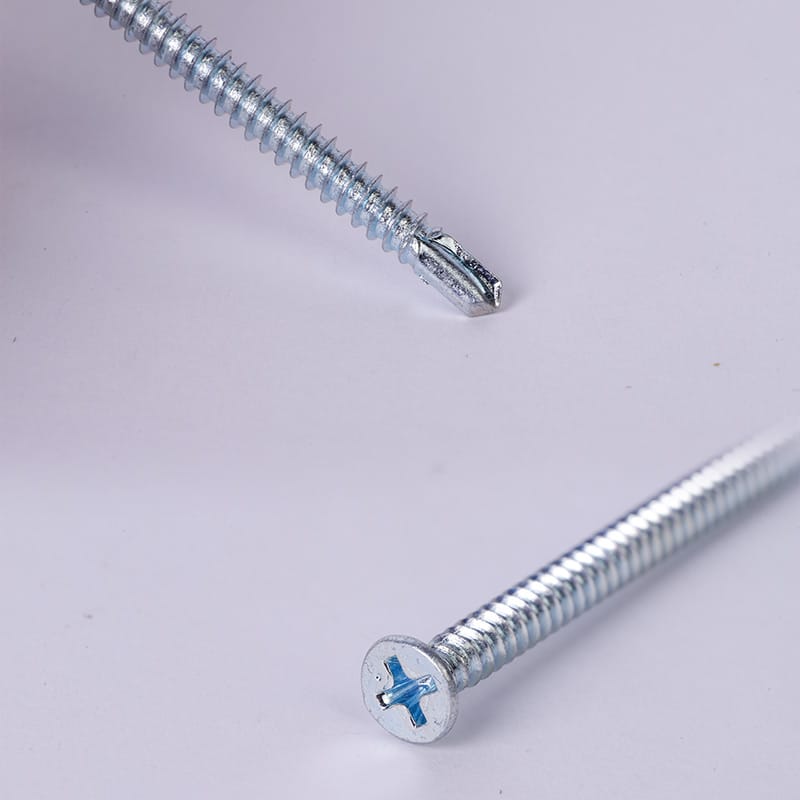
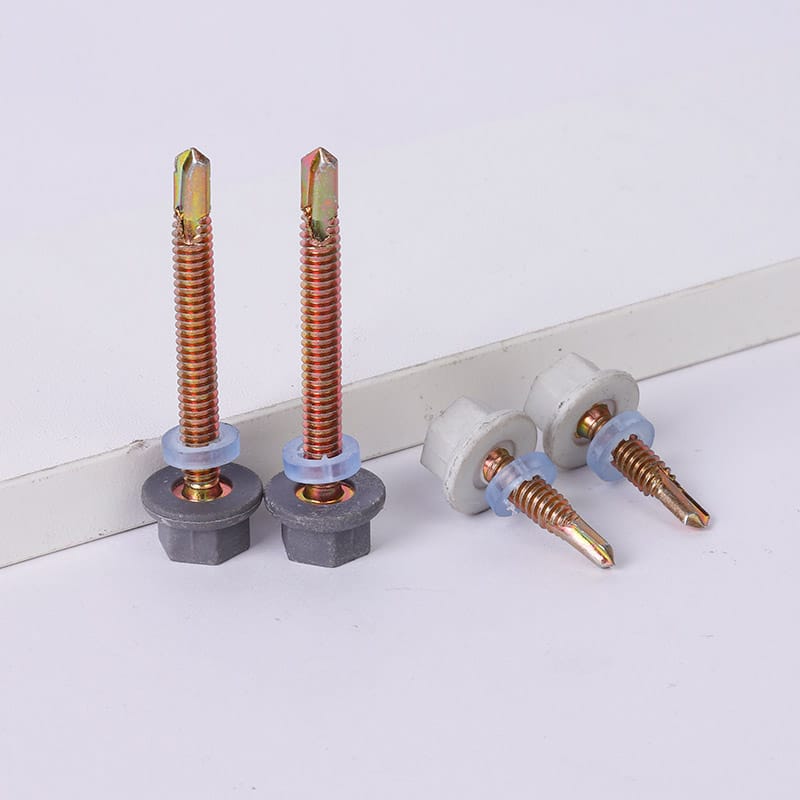
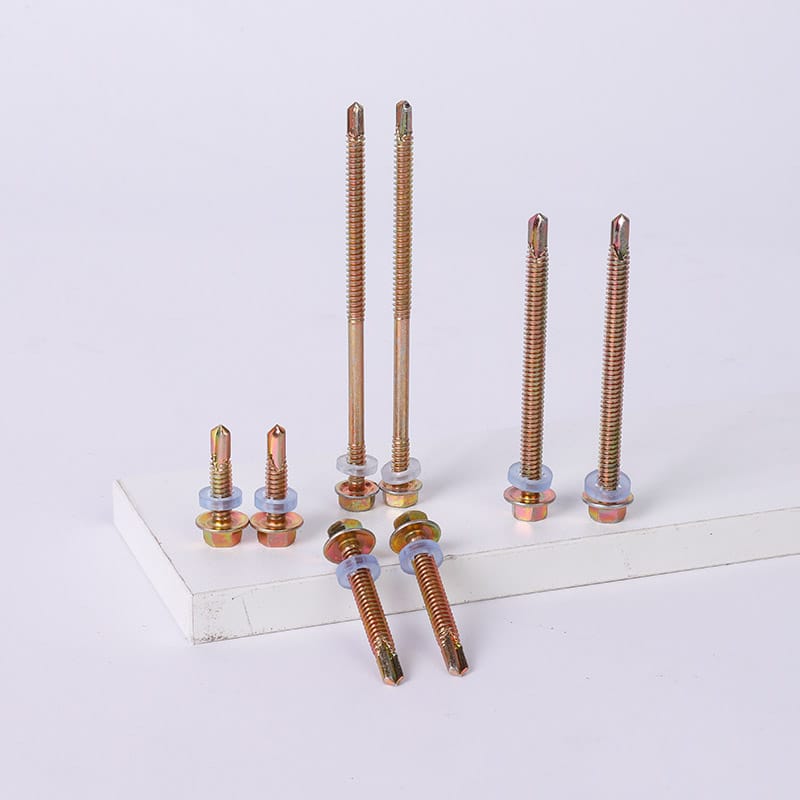
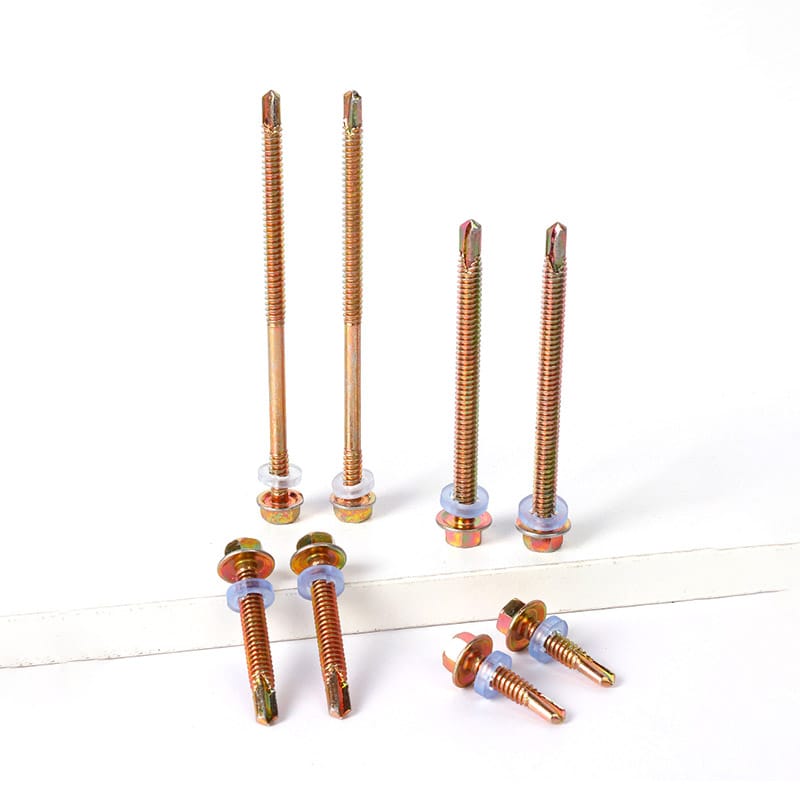
Listas de Yizhengyu Tornillos autoperforantes hexagonales externos in its product range. Use that page to start a discussion about sheet metal screws, then ask for an identified drawing, surface-treatment description, and sample suitable for your joint. Catalog dimensions and appearance need confirmation against the actual order requirement.
Es servicios de consulta y personalización de productos describe support for specification, samples, production coordination, packaging, and after-sales questions. For sheet metal screws, send the mating material, thickness range, desired head position, tool details, order quantity, destination, and required evidence. Confirm the offered scope and delivery schedule in the quotation rather than treating website examples as a firm commitment.
Request a quote for sheet metal screws with the problem statement “Distinguish Pull-Over from Thread Stripping” and a drawing or representative joint sample. The team can then review the proposed screw and the evidence needed for your application. Use the inquiry form below to provide those details and request the appropriate sample stage.
Preguntas frecuentes
What is the first check when I need to distinguish pull-over from thread stripping?
For sheet metal screws, identify the screw and mating material, then state the accepted installed condition. A sheet-metal connection has at least two relevant functions: forming a hole and transferring force through the completed joint. Thin supports may provide only limited thread engagement. The panel may pull over the head even when the screw remains intact, so a screw-only strength statement is incomplete.
¿Se puede sustituir un tornillo de aspecto similar?
Compare the head, drive, point, thread, material, finish, and dimensions. In a sheet metal screws evaluation, a photograph helps identify visible form but does not replace the drawing and application evidence needed to accept a substitution.
How should I evaluate sheet metal screws in a sample trial?
Identify the attached sheet, supporting sheet, stack arrangement, edge distances, and any gap between layers. Test the assembled connection for the intended loading direction. Record whether the failure occurs at the head bearing surface, in the support threads, or in the screw itself.
¿una cabeza ordenada demuestra que la articulación es aceptable?
No. El asiento, la retención, el estado de la superficie, la exposición y la aprobación de cualquier sistema son preguntas diferentes. Registre lo que realmente demostró el ensayo y obtenga las pruebas relevantes restantes.
What should I include in an inquiry about sheet metal screws?
Include the drawing revision, receiving material, thickness range, head and drive, point and thread, surface treatment, quantity and packing unit, delivery destination, and agreed sample and inspection requirements. Describe the specific issue: distinguish pull-over from thread stripping.