Table of Contents
Coil nails are a critical component in construction, woodworking, furniture manufacturing, and industrial applications. Designed for use with pneumatic or electric nail guns, coil nails offer efficiency, strong holding power, and consistent fastening performance. Understanding the different types, sizes, materials, and applications of coil nails can help ensure your projects are both high-quality and long-lasting. This comprehensive guide covers everything you need to know about coil nails and related fastening solutions.
Understanding Coil Nails
What Are Coil Nails?
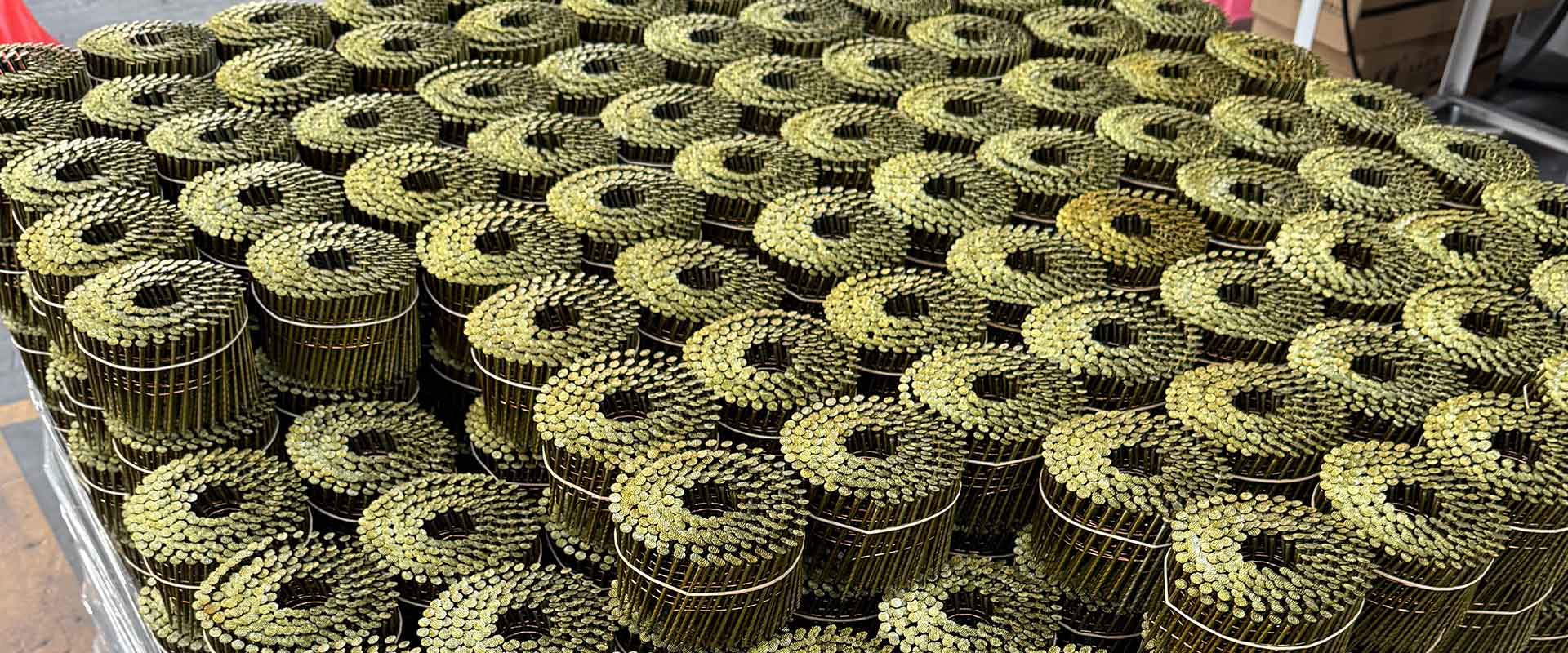
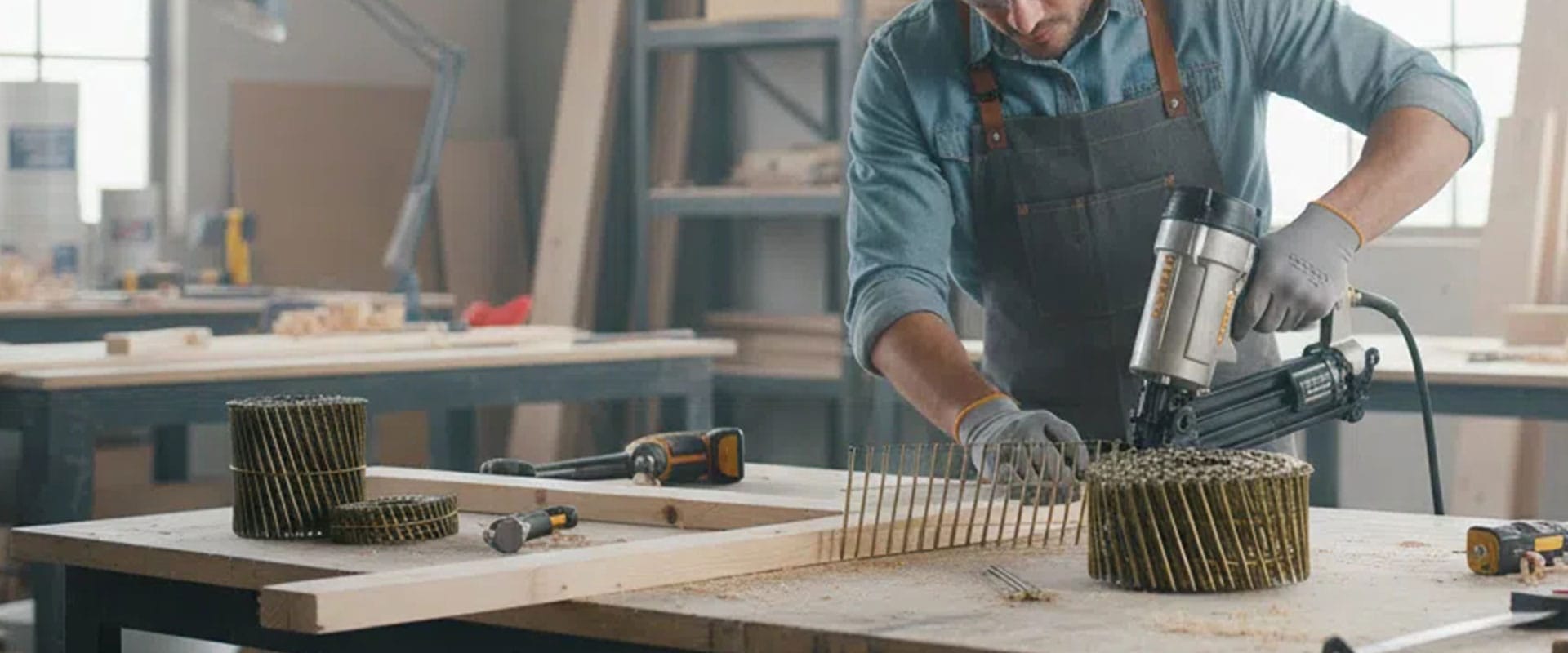
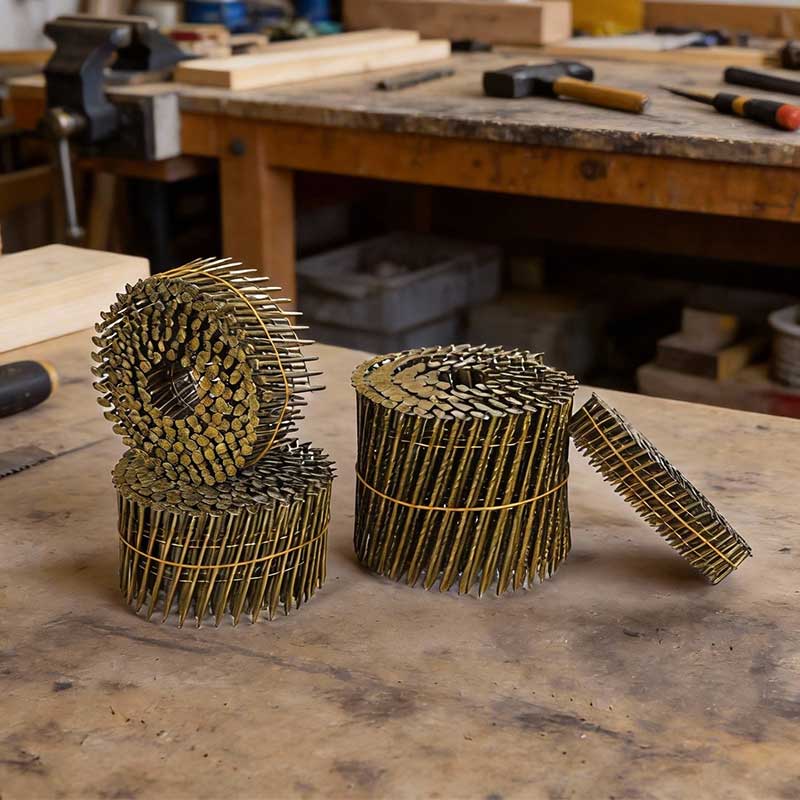
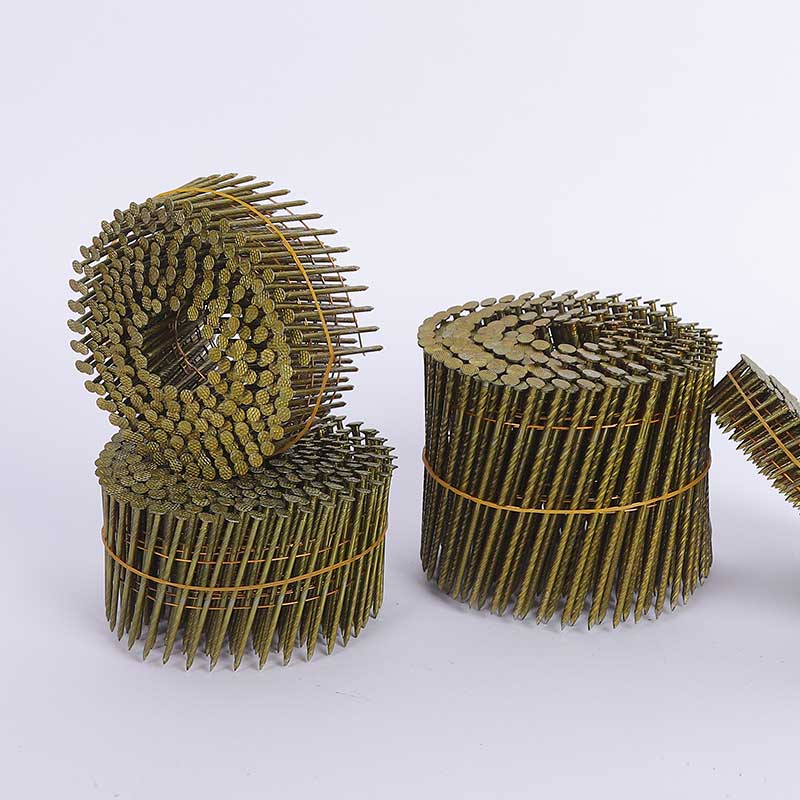
Coil nails are nails arranged in a coil, collated with wire, plastic, or paper. This arrangement allows for high-volume fastening in nail guns without frequent reloads. Unlike traditional strip nails, coil nails provide a continuous feed, reducing downtime and improving work efficiency.
Key features of coil nails include:
- Collated in a coil for high-capacity loading
- Compatible with pneumatic and electric nail guns
- Suitable for industrial, commercial, and large-scale construction projects
- Reduced reload frequency compared to strip nails
Coil nails are widely used in construction, furniture assembly, pallet production, and wood processing due to their durability and convenience. Using high-quality coil nails ensures secure fastening and reliable performance across multiple materials.
Coil Nails vs. Other Types of Nails
| Feature | Coil Nails | Strip Nails | Loose Nails |
|---|---|---|---|
| Collation | Coil (wire/plastic/paper) | Linear strip | None |
| Nails per load | 200–300+ | 15–50 | Single |
| Reloading frequency | Low | Medium | High |
| Best for | Large projects, industrial | Small-scale tasks | Manual, occasional use |
Coil nails stand out for high-volume industrial projects where speed, efficiency, and consistent performance are critical. They are also less prone to jamming in nail guns compared to other nails.
Types of Coil Nails
The type of coil nails you choose depends on the material being fastened, the project requirements, and the equipment being used. Coil nails are categorized based on collation, shank type, head style, and coating.
By Collation Type
Wire Collated Coil Nails
Wire collated nails are joined by thin steel wires. They are strong, durable, and ideal for heavy-duty applications such as framing, decking, and pallet assembly.
Advantages:
- High structural holding power
- Reliable feeding in nail guns
- Suitable for long-term projects
Plastic Collated Coil Nails
Plastic collated nails are connected with plastic strips, providing a smoother feed and cleaner work environment. They are popular in precision woodworking and furniture assembly.
Advantages:
- Minimal tool wear and tear
- Cleaner installation with less debris
- High precision for delicate woodwork
Paper Collated Coil Nails
Paper collated nails use biodegradable strips to hold nails together. They are suitable for eco-conscious applications and temporary construction work.
Advantages:
- Environmentally friendly
- Easy separation during firing
- Smooth operation in compatible nail guns
By Shank Type
Smooth Shank Nails
- Best for softwoods and light-duty projects
- Moderate holding strength
- Common in indoor furniture and framing tasks
Ring Shank Nails
- Provides superior withdrawal resistance
- Ideal for pallets, crates, decking, and flooring
- Reduces the risk of nails pulling out over time
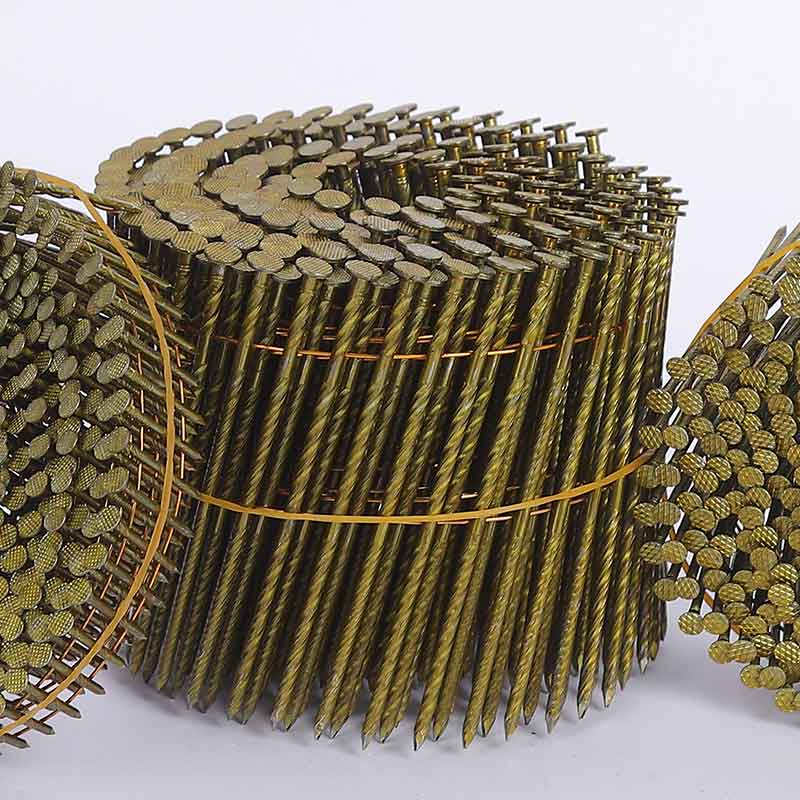
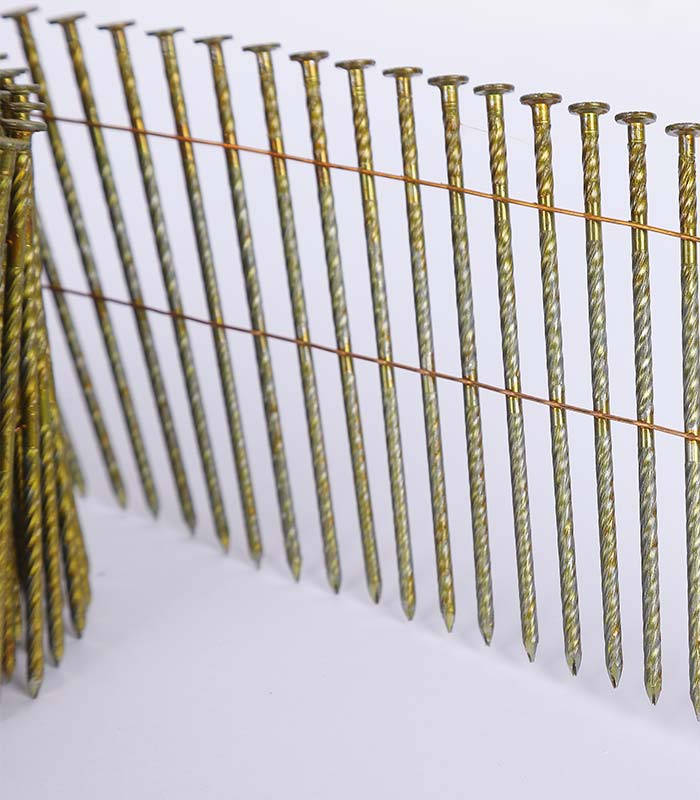
Screw Shank Nails
- Maximum holding power for structural applications
- Suitable for outdoor projects and heavy-duty construction
- Ensures stability in multi-layered materials
By Head Type
Flat Head
- Larger surface area for enhanced grip
- Common in framing, decking, and general construction
- Prevents nails from sinking under load
Countersunk Head
- Sits flush with the material surface
- Ideal for furniture, cabinetry, and finishing work
- Offers a neat and professional appearance
Specialty or Ringed Head
- Improves grip in high-stress areas such as pallets or industrial wood structures
- Reduces the risk of nail pull-out
Sizes and Specifications of Coil Nails
Choosing the correct coil nails is critical for both safety and long-term performance.
Diameter and Length
- Common diameters: 2.1mm – 3.3mm
- Standard lengths: 25mm – 90mm
- Thicker and longer nails provide stronger holding power for heavy-duty applications
Collation Angle
- Typical angles: 15°, 21°, 28°, 34°
- Ensure nail gun compatibility to prevent jams and feeding issues
Packaging and Quantity
- Standard coil packs: 200–300 nails
- Bulk packaging available for industrial projects and long-term use
Surface Treatments and Material Options
The surface coating of coil nails affects durability and corrosion resistance.
Bright Finish (Uncoated)
- Raw steel nails with no coating
- Suitable for indoor applications
- Cost-effective, but limited corrosion resistance
Electro Galvanized (EG)
- Thin zinc coating provides moderate rust protection
- Suitable for dry indoor environments
- Balances cost and durability
Hot-Dip Galvanized (HDG)
- Thick zinc coating for excellent corrosion resistance
- Ideal for outdoor, coastal, and humid environments
- Ensures long-lasting performance
Stainless Steel
- Maximum corrosion resistance
- Suitable for marine and high-humidity areas
- Recommended for premium, long-lasting applications
Specialty Coatings
- Ceramic-coated nails for extreme environments
- Epoxy-coated nails for additional outdoor protection
- Custom coatings available for specific industrial needs
Applications of Coil Nails
Coil nails are versatile and used across construction, furniture, pallet manufacturing, and wood processing.
Construction Industry
- Framing walls, floors, and subfloors
- Decking and roofing
- Structural fastening for residential and commercial buildings
Pallet and Crate Manufacturing
- Assembly of wooden pallets and crates for shipping
- Heavy-duty packaging for industrial and export applications
- Ensures secure fastening for logistical operations
Furniture Manufacturing
- Cabinet and frame assembly
- Interior woodworking projects
- Flat-pack and modular furniture assembly
Roofing Applications
- Asphalt shingles installation
- Fastening waterproof membranes and insulation boards
- General roofing and exterior projects
Packaging and Wood Processing
- Wooden crates and boxes for shipping
- Industrial pallets for storage and transportation
- Packaging for heavy or fragile goods
How to Choose the Right Coil Nails
Selecting the right coil nails ensures efficiency, safety, and durability.
Application Type
- Determine if the project is indoor, outdoor, structural, or light-duty
- Heavy-duty construction requires thicker shanks and stronger coatings
Holding Strength
- Ring shank or screw shank nails provide superior grip
- Smooth shank nails work for general-purpose fastening
Environmental Conditions
- Stainless steel or HDG coil nails for humid, coastal, or outdoor use
- EG coil nails suitable for indoor dry conditions
Nail Gun Compatibility
- Verify collation angle and coil size
- Ensure the nail gun is compatible with the selected nails
Manufacturer Reliability
- Choose manufacturers with strict quality control
- Check consistency in nail dimensions and mechanical properties
- Ensure compliance with international standards such as ISO or ASTM
Advantages of Using Coil Nails
- High Productivity: Large coil capacity reduces reloads and increases efficiency
- Stable Fastening: Coil nails provide consistent holding strength
- Time-Saving: Faster than manual nailing or strip nails
- Versatility: Wide range of sizes, shank types, head types, and coatings
- Cost-Effective: Reduces labor costs and ensures secure fastening
Common Mistakes to Avoid
- Using incorrect nail size
- Ignoring nail gun specifications
- Choosing low-quality coil nails prone to bending or breaking
- Failing to consider corrosion resistance for outdoor projects
- Improper storage that may cause rust or damage
How to Ensure Quality When Buying Coil Nails
- Work with reputable manufacturers
- Request samples for testing before bulk orders
- Verify tensile strength and uniformity
- Confirm coating quality and corrosion resistance
- Ensure compliance with international standards
Conclusion
Coil nails are a versatile, efficient, and reliable fastening solution for construction, woodworking, furniture assembly, and industrial manufacturing. Choosing the correct coil nails based on type, size, shank, head, and coating ensures durability, safety, and long-term project success. Partnering with a trusted manufacturer guarantees high-quality coil nails, consistent supply, and professional support for industrial and commercial projects.
FAQ
What is the difference between coil nails and strip nails?
Coil nails provide higher capacity per load, reducing reloads and improving productivity. Strip nails are better suited for small-scale or home projects.
Can coil nails be used outdoors?
Yes, coil nails with HDG or stainless steel coatings are ideal for outdoor and high-humidity environments.
How do I choose the correct nail size?
Select coil nails based on material thickness, load requirements, and project type. Longer and thicker nails offer stronger holding power.
Are coil nails reusable?
No, coil nails are single-use, but using them with a nail gun improves speed and efficiency.