When sourcing coil nails for construction, woodworking, or industrial applications, buyers often face a critical decision: choosing between wire coil nails vs plastic coil nails. Each type has unique advantages, and selecting the right option can significantly impact efficiency, cost, and performance.
This guide provides a detailed comparison to help contractors, distributors, and importers determine which type best fits their needs.
Table of Contents
Understanding Coil Nail Collation Types
What Are Wire Coil Nails
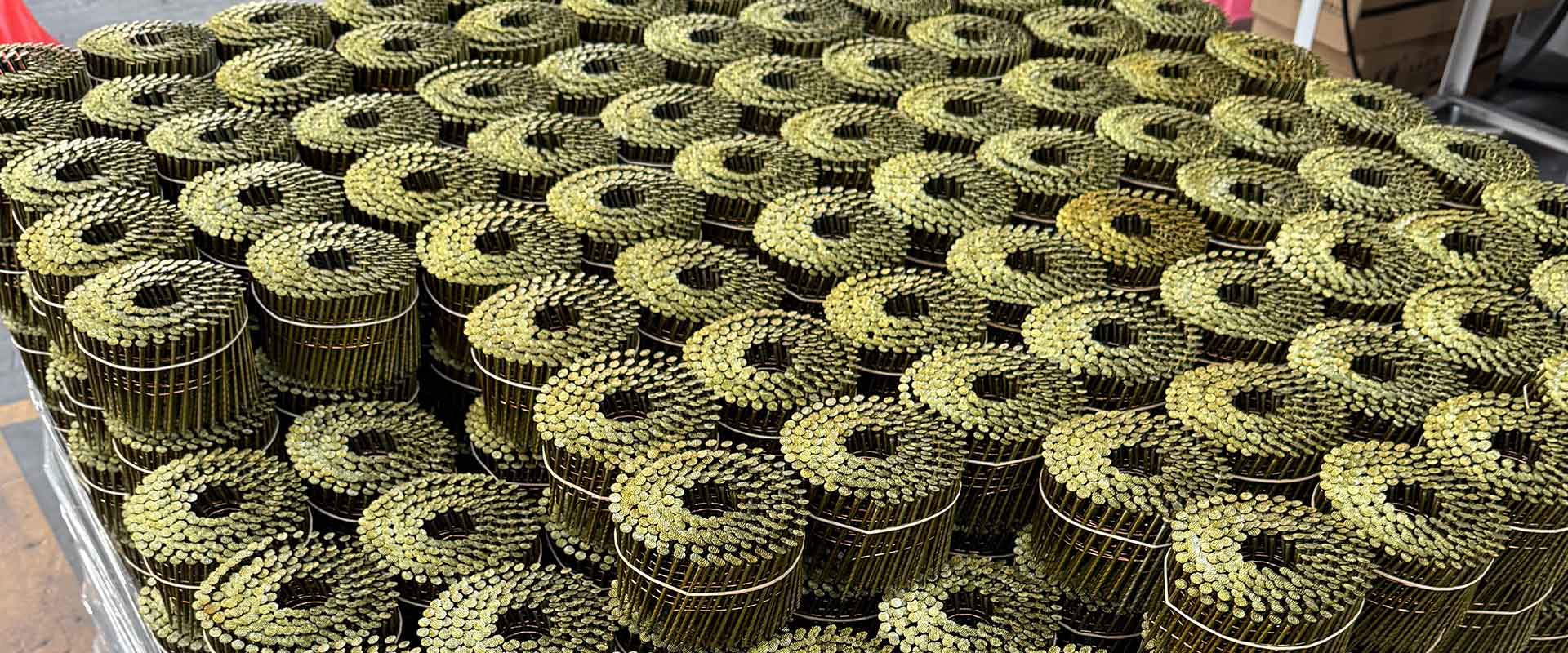
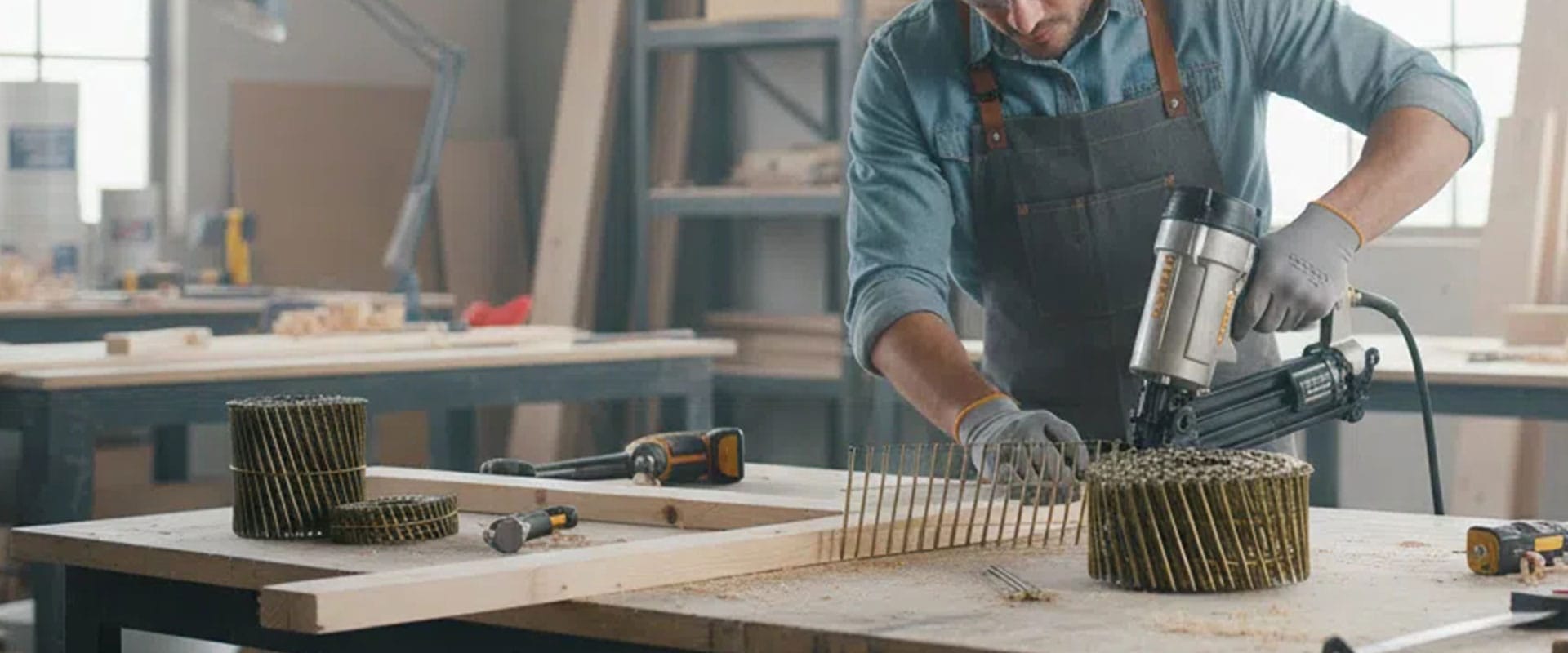
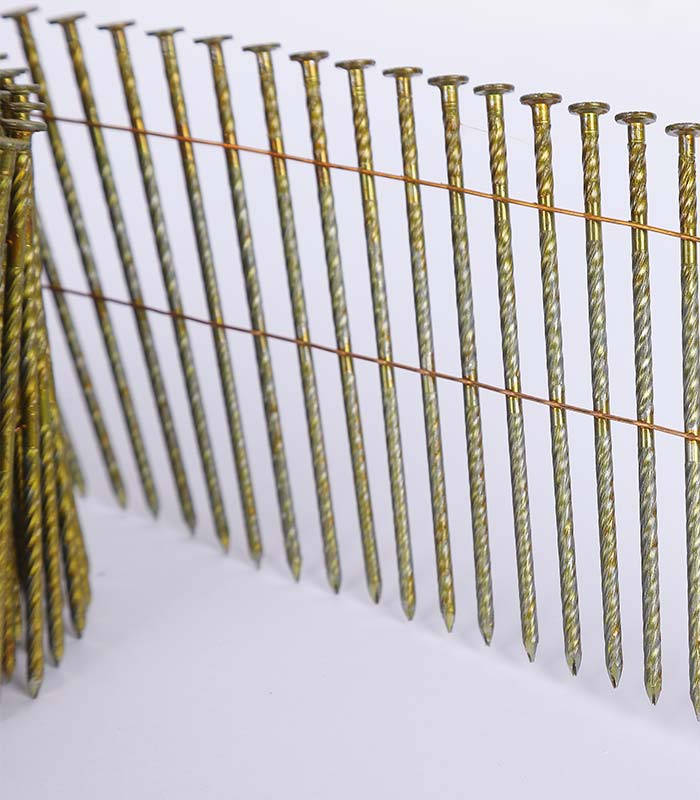
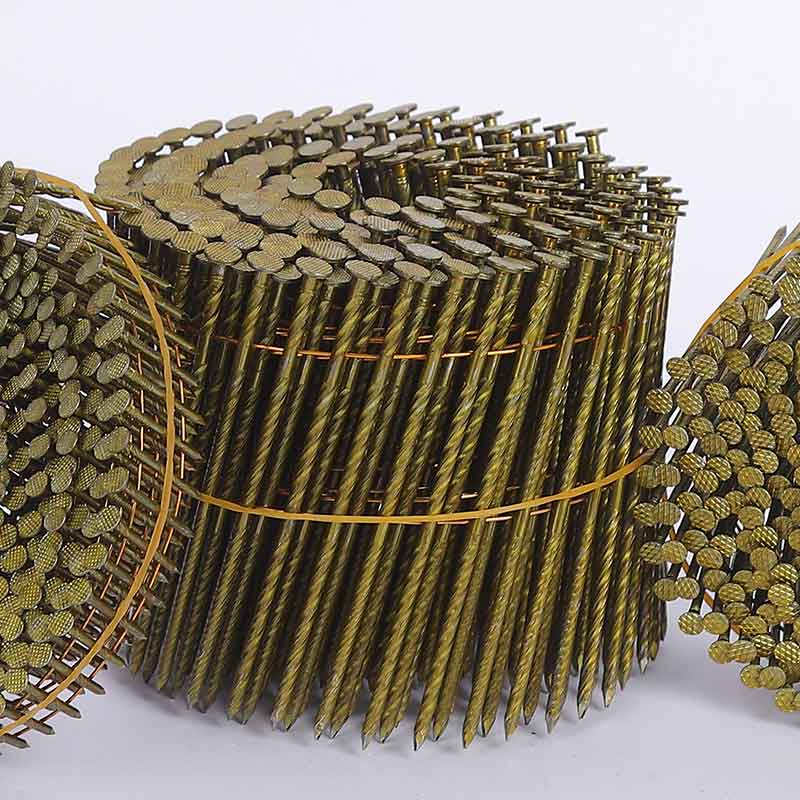
Wire coil nails are collated using thin steel wires that hold nails together in a coil. This structure provides strong binding and durability during transportation and use.
Wire collation is widely used in industrial and construction environments due to its stability and compatibility with most pneumatic nail guns.
What Are Plastic Coil Nails
Plastic coil nails are held together with plastic strips or bands. These nails are lighter and often cleaner during operation, as plastic fragments are less sharp compared to wire.
They are commonly used in applications where appearance and safety are more important.

Key Differences Between Wire and Plastic Coil Nails
Structural Strength
Wire coil nails offer stronger collation, making them more resistant to breakage during transport and handling. Plastic coil nails may break more easily under pressure or improper storage.
Safety Considerations
Plastic coil nails are generally safer during operation because broken plastic fragments are less likely to cause injury compared to sharp wire pieces.
Compatibility with Nail Guns
Most industrial-grade nail guns are designed for wire coil nails. Plastic coil nails require compatible tools, and mismatched usage can lead to jamming or reduced efficiency.
Cost Efficiency
Wire coil nails are usually more cost-effective, especially for bulk industrial use. Plastic coil nails may have slightly higher production costs due to materials and manufacturing processes.
Detailed Comparison Table
| Feature | Wire Coil Nails | Plastic Coil Nails |
|---|---|---|
| Collation Material | Steel wire | Plastic strip |
| Strength | High | Medium |
| Safety | Lower (sharp wire ends) | Higher (safer fragments) |
| Cost | More economical | Slightly higher |
| Durability | Excellent | Good |
| Nail Gun Compatibility | Widely compatible | Limited compatibility |
| Application Scope | Industrial, construction | Light construction, finishing |
Applications of Wire Coil Nails
Construction Projects
Wire coil nails are widely used in framing, roofing, and structural work due to their strength and reliability.
Pallet Manufacturing
Pallet factories prefer wire coil nails for their strong holding power and durability under heavy loads.
Industrial Use
Large-scale manufacturing processes rely on wire coil nails for efficiency and consistency.
Applications of Plastic Coil Nails
Interior Finishing
Plastic coil nails are often used in decorative or finishing work where appearance matters.
Furniture Manufacturing
They are suitable for light-duty furniture assembly where safety and clean operation are important.
DIY and Small Projects
Plastic coil nails are preferred by DIY users due to easier handling and reduced injury risk.
Advantages of Wire Coil Nails
Stronger Binding
Wire collation holds nails firmly together, reducing breakage during transport and handling.
Better for Heavy-Duty Work
Wire coil nails are ideal for demanding applications requiring strong holding power.
Lower Cost for Bulk Orders
They are more economical for large-scale industrial procurement.
Advantages of Plastic Coil Nails
Improved Safety
Plastic fragments are less hazardous compared to wire, making them safer for operators.
Cleaner Work Environment
Plastic collation produces less sharp debris, improving workplace cleanliness.
Suitable for Light Applications
Ideal for finishing work and projects where heavy-duty strength is not required.
How to Choose Between Wire and Plastic Coil Nails
Consider Your Application
- Heavy-duty construction → wire coil nails
- Light-duty or finishing → plastic coil nails
Evaluate Tool Compatibility
Ensure your nail gun supports the chosen collation type to avoid operational issues.
Assess Cost and Volume
For bulk purchasing, wire coil nails offer better cost efficiency. Plastic nails may be suitable for smaller projects.
Think About Safety Requirements
If worker safety and handling are priorities, plastic coil nails may be the better choice.
Common Mistakes When Choosing Coil Nail Types
- Selecting based only on price without considering application
- Ignoring nail gun compatibility
- Overestimating the strength needed for light-duty projects
- Underestimating safety requirements in high-risk environments
Supplier Selection Tips
- Choose manufacturers with consistent production quality
- Confirm compatibility with your equipment
- Request samples before bulk orders
- Evaluate packaging to prevent damage during shipping
Cost Comparison Factors
| Factor | Wire Coil Nails | Plastic Coil Nails |
|---|---|---|
| Material Cost | Lower | Higher |
| Production Complexity | Moderate | Higher |
| Bulk Pricing | More competitive | Less competitive |
| Transportation | More stable | Slightly less stable |
Long-Term Procurement Strategy
Businesses should consider long-term usage patterns when choosing between wire coil nails vs plastic coil nails. For continuous industrial operations, wire nails provide better value. For niche or safety-focused applications, plastic nails may be more suitable.
Conclusion
Understanding the differences between wire coil nails vs plastic coil nails is essential for making the right purchasing decision. Wire coil nails offer strength, durability, and cost efficiency, making them ideal for industrial and construction use. Plastic coil nails provide improved safety and cleaner handling, suitable for lighter applications.
By evaluating your project requirements, tool compatibility, and budget, you can choose the most effective solution and ensure optimal performance.
FAQ
Which is stronger, wire or plastic coil nails?
Wire coil nails are stronger and better suited for heavy-duty applications.
Are plastic coil nails safer?
Yes, plastic coil nails are generally safer because they produce less sharp debris.
Can I use both types in the same nail gun?
No, you should always use the type compatible with your nail gun to avoid damage or misfires.
Which type is more cost-effective?
Wire coil nails are usually more economical, especially for bulk industrial orders.