Table of Contents
The first useful buying decision is to define the interface that the screw must control. Nominal size and catalog appearance can help narrow a search, but the completed joint determines whether the proposed item is suitable. This guide addresses drywall screw substrate selection through a defined problem: match the fastener to wood or steel studs.
Consider this purchasing or installation scenario: A distributor sells one drywall screw across two framing systems. Separate the stud conditions and approve the relevant fastener for each. The following checks help a buyer decide what evidence to collect and which feature to review first.
Drywall screw substrate selection: the application boundary
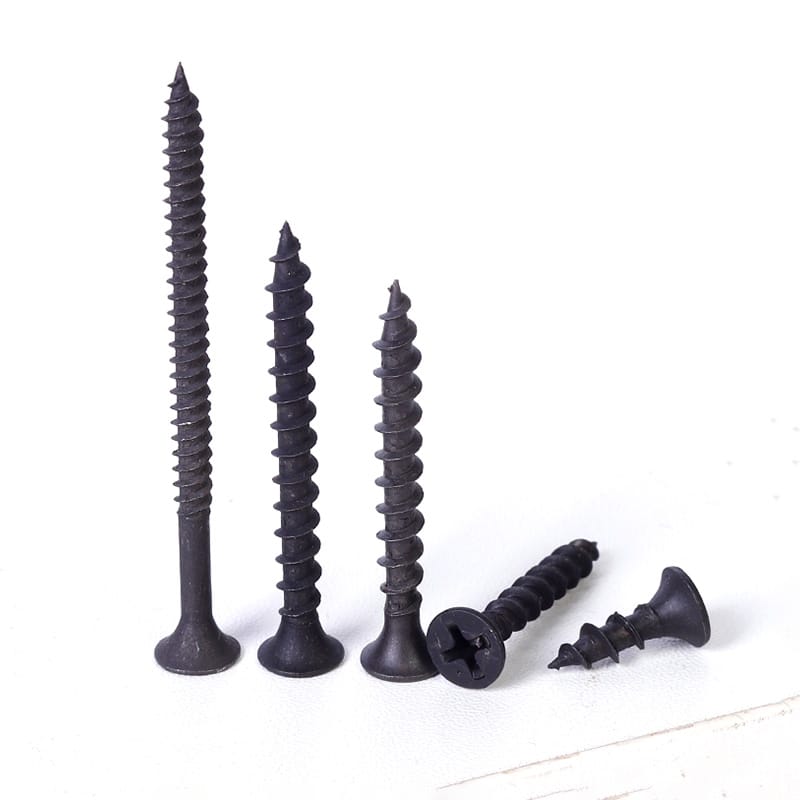
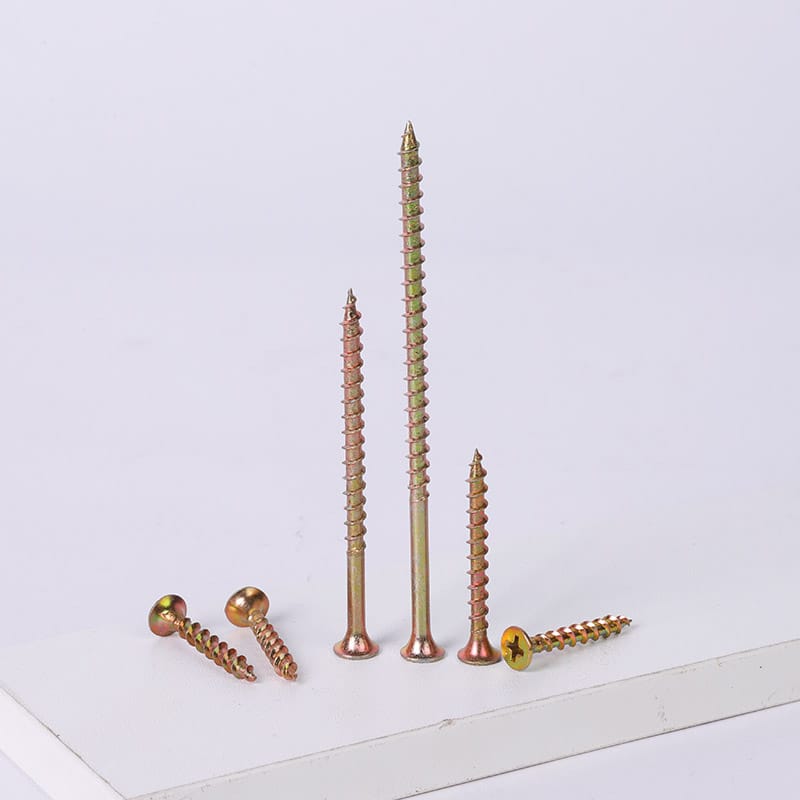
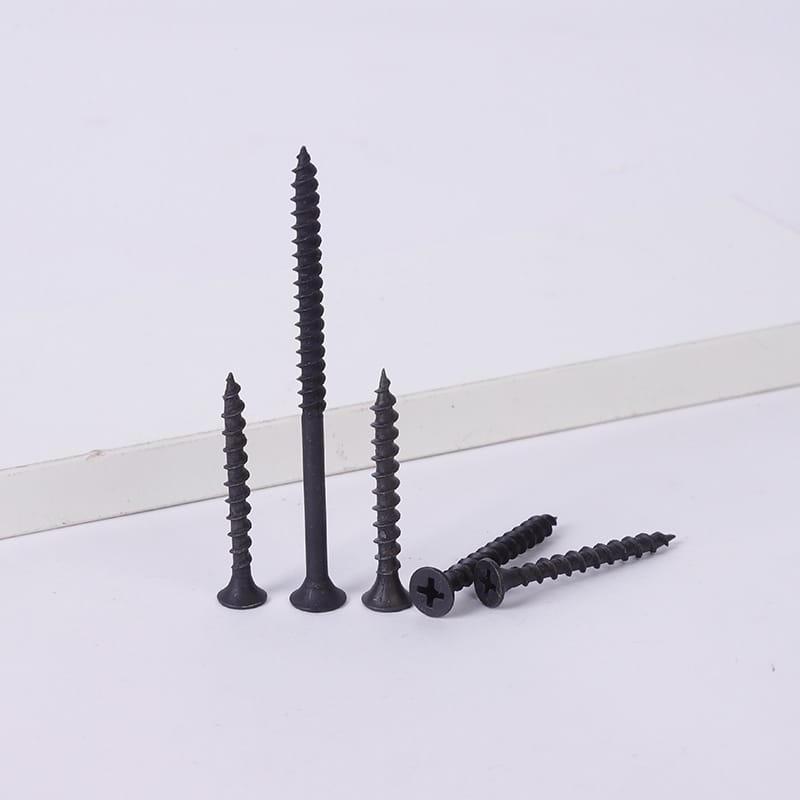
A gypsum-board attachment depends on the framing material as well as the board. Coarse-thread, fine-thread, piercing-point, and drill-point descriptions identify different features. They should not be treated as interchangeable labels or as evidence that one screw fits every stud.
For drywall screw substrate selection, begin with the condition in the scenario above. Write the required outcome on the inquiry or trial sheet before selecting a substitute. That record should distinguish a demonstrated installation result from a claim about every possible use of the product.
Plan the drywall screw substrate selection comparison
Record the stud material and thickness, board type, number of layers, and the system’s fastening instructions. Use representative board and framing during the sample trial. Inspect attachment and surface condition after installation, and keep a separate record for each substrate.
A useful drywall screw substrate selection trial keeps the screw, mating material, and operating conditions identifiable. Compare the accepted result with the original requirement and record any limitation that the trial did not address.
Recognize the drywall screw substrate selection failure mechanism
A screw that turns without holding can be mismatched to the support or overdriven. A screw that breaks the board paper may have seated too deeply even if its grip in the stud is good. Diagnose the two interfaces separately before changing the fastener.
When investigating drywall screw substrate selection, retain a failed assembly and unused parts from the same delivery. Their condition allows the receiving and application teams to discuss the same event rather than compare unrelated samples.
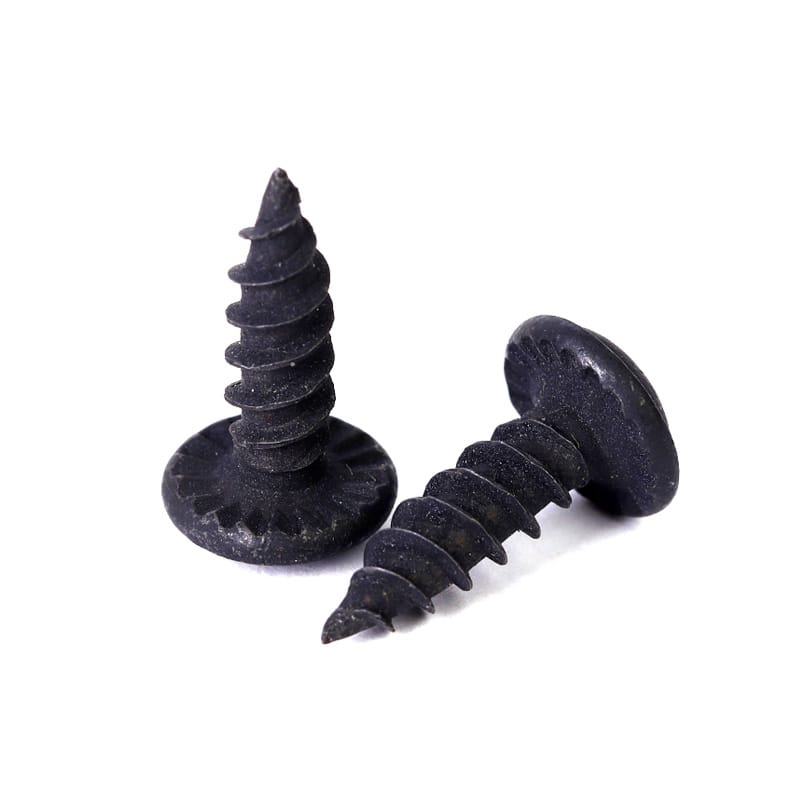
Plan incoming checks around real failure modes
For drywall screw substrate selection, start receiving inspection with item identity, drawing revision, lot marking, and packaging condition. Keep suspected mixed lots apart until the identity is resolved. Select samples using an agreed plan, and record where they came from. Sampling only the most accessible open carton can miss variation elsewhere in the delivery. Check the features that matter to the intended joint, rather than collecting measurements simply because they are easy to take.
Link each observation to an acceptance condition and a disposition. A mislabeled item, a damaged carton, a dimensional difference, and a failed functional trial require different follow-up. Preserve the relevant sample and its label while the supplier investigates. If evidence is incomplete, state what is missing and hold the affected decision open. Do not turn an unperformed test into a pass or use a delivery-wide average to conceal individual unacceptable results.
Apply this check to drywall screw substrate selection by keeping the same application boundary used in the first trial. The relevant starting point is the proposed item and its actual mating part, rather than a superficially similar catalog photograph.
Read performance reports in context
A useful report for drywall screw substrate selection identifies the specimen, substrate, setup, loading or operating method, result, and acceptance criterion. For a connection test, the receiving material and joint geometry matter as much as the screw description. Ask whether the result represents an individual observation, an average, a characteristic value, or another defined statistic. These quantities cannot be interchanged just because they share the same unit.
For drywall screw substrate selection, compare only evidence that answers the same question. A drilling demonstration does not establish withdrawal resistance, and a corrosion test does not establish the load capacity of an installed joint. If a standard is referenced, confirm its title, edition, scope, and the part of the test actually performed. A standard reference in a catalog is not evidence that a particular delivered lot is certified. Keep the original report with the approval record and document any limits on its use.
In the drywall screw substrate selection record, identify which condition is being changed and which condition remains controlled. That distinction lets the buyer connect an observed improvement to a specific decision instead of attributing it to the entire product description.
Build a controlled installation comparison
For drywall screw substrate selection, compare the proposed screw and the current reference on the same identified substrate conditions. Keep the driver, bit or socket, operator method, and stopping rule consistent while the fastener changes. Include the relevant thickness extremes and realistic access restrictions. Assign each assembly a sample number so photographs, observations, and any later retention checks can be matched to the correct screw and support.
For drywall screw substrate selection, record every attempted installation, including stalls, slips, stripped holes, and resets. Report successful seating separately from acceptable joint performance. Repeating a few easy insertions until one looks good is not a representative approval method. If several variables must change together, document that as a different setup and compare it separately. Use an agreed sampling and acceptance plan for the intended risk rather than inventing a universal trial quantity.
The drywall screw substrate selection approval should preserve the comparison setup as well as the outcome. If the next shipment, installation tool, or receiving material differs, review the affected condition before extending the earlier acceptance.
Evaluate a proposed substitution explicitly
List every difference between the approved item and the proposed alternative. Include head form, drive, point, thread, material, finish, dimensions, and packing identity where relevant. A supplier’s description of an equivalent item should be treated as a proposal with defined differences. Match each change to the assembly function it could affect so the review can focus on meaningful evidence.
Decide which checks need repeating before accepting the alternative. A head change may affect seating and tool access, while a point change may affect cutting or required length. A finish change can affect appearance and exposure requirements. Keep the original and proposed samples identified throughout the comparison. If the alternative is accepted, update the controlled item record and notify the people responsible for receiving and installation so both configurations do not circulate under an ambiguous code.
For drywall screw substrate selection, turn the observation into a question the supplier can answer: which drawing feature, test record, or supplied sample demonstrates the required condition? Keep a missing answer open until the relevant evidence arrives.
Measure productive installation time fairly
For a time comparison, define when an installation starts and ends. Include the handling, tool reset, and rejected attempts that belong to the real process. Record the number of accepted joints separately from the number of screws driven. Timing only a successful insertion can favor a setup that looks fast but causes additional rework or inconsistent final seating.
Run both options under comparable access, substrate, operator, and tool conditions. Report the actual observation period and sample basis without inventing a universal productivity percentage. Keep the acceptance criterion constant while comparing time. If a faster setup changes the installed result, present that as a different outcome requiring review. A purchase decision can then consider the cost of an accepted connection rather than the speed of an isolated screw entering the material.
An inspection of drywall screw substrate selection is most useful when it produces a reproducible decision. Link the observation to the ordered item and the criterion that determines acceptance, rework, further investigation, or rejection.
Inspect the head bearing surface
In drywall screw substrate selection, the head transfers force into the attached component through its contact area. Examine the actual seated interface rather than judging the loose head alone. A conical head needs a suitable mating recess, while a projecting head needs sufficient supporting area and clearance. Look for rocking, local indentation, an enlarged hole, or contact on only a small portion of the intended bearing face.
For drywall screw substrate selection, compare the installed head position with a defined reference surface and acceptance condition. Flush appearance, clamp force, and resistance to pull-through are different observations. A head can look neat while the material below it has been crushed or removed. Where the surface is hidden after assembly, inspect it during the sample stage or through an agreed sectioned example. Keep any proposed head change linked to a review of the mating part and the installation tool.
Treat the drywall screw substrate selection requirement as a property of this defined application. A change in geometry, substrate, finish, or installation method can require another comparison even when the commercial item name remains familiar.
Drywall screw substrate selection: compare the available evidence
Use the table below to keep the drywall screw substrate selection decision tied to the intended connection. It compares kinds of evidence, not invented performance ratings for competing screws. The application trial and the supplier documents should identify the same proposed item.
| Check | Catalog or loose sample | Application evidence to request |
|---|---|---|
| Head and drive | Shows visible form | Fit on the mating part and with the intended tool |
| Point and thread | Identifies a proposed geometry | Installation and retention on the actual substrate |
| Finish | May show color or a broad finish name | Identified coating and relevant condition after handling and driving |
| Size | Gives nominal dimensions | Agreed reference points, tolerances, and stack clearance |
| Repeat order | Provides an item description | Drawing revision, retained sample, lot identification, and acceptance record |
For technical background, consult the ASTM C1002 scope for gypsum-board attachment screws. Check the applicable scope and the project requirement. This reference does not certify a Yizhengyu product or establish acceptance of the proposed drywall screw substrate selection application.
Prepare a drywall screw substrate selection inquiry
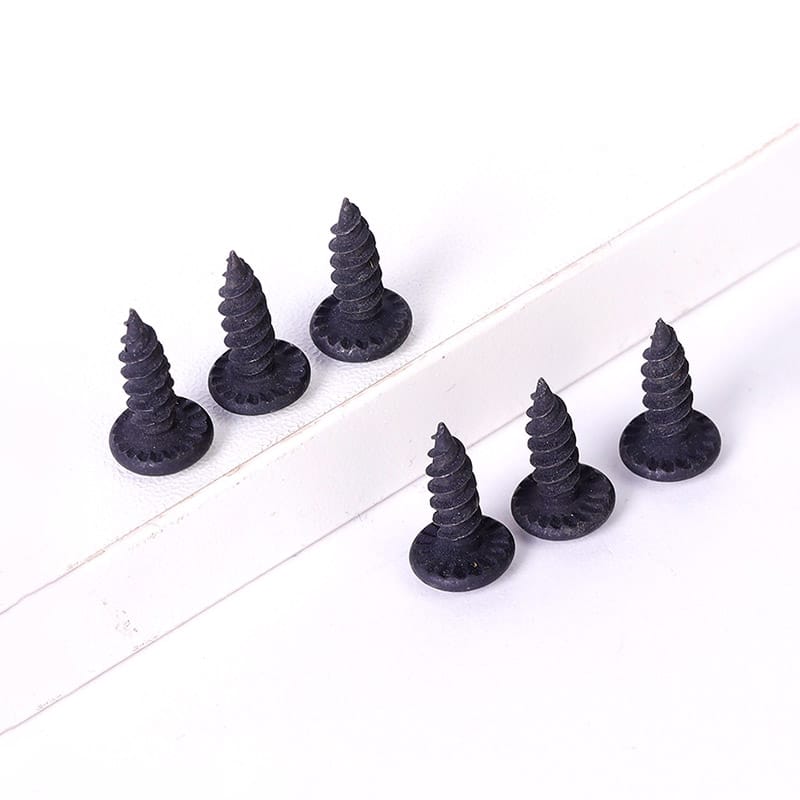
Yizhengyu lists Coarse-Tooth Drywall Screws in its product range. Use that page to start a discussion about drywall screw substrate selection, then ask for an identified drawing, surface-treatment description, and sample suitable for your joint. Catalog dimensions and appearance need confirmation against the actual order requirement.
Its product consultation and customization services describe support for specification, samples, production coordination, packaging, and after-sales questions. For drywall screw substrate selection, send the mating material, thickness range, desired head position, tool details, order quantity, destination, and required evidence. Confirm the offered scope and delivery schedule in the quotation rather than treating website examples as a firm commitment.
Request a quote for drywall screw substrate selection with the problem statement “Match the Fastener to Wood or Steel Studs” and a drawing or representative joint sample. The team can then review the proposed screw and the evidence needed for your application. Use the inquiry form below to provide those details and request the appropriate sample stage.
Frequently asked questions
What is the first check when I need to match the fastener to wood or steel studs?
For drywall screw substrate selection, identify the screw and mating material, then state the accepted installed condition. A gypsum-board attachment depends on the framing material as well as the board. Coarse-thread, fine-thread, piercing-point, and drill-point descriptions identify different features. They should not be treated as interchangeable labels or as evidence that one screw fits every stud.
Can a similar-looking screw be substituted?
Compare the head, drive, point, thread, material, finish, and dimensions. In a drywall screw substrate selection evaluation, a photograph helps identify visible form but does not replace the drawing and application evidence needed to accept a substitution.
How should I evaluate drywall screw substrate selection in a sample trial?
Record the stud material and thickness, board type, number of layers, and the system’s fastening instructions. Use representative board and framing during the sample trial. Inspect attachment and surface condition after installation, and keep a separate record for each substrate.
Does a neat head prove the joint is acceptable?
No. Seating, retention, surface condition, exposure, and any system approval are different questions. Record what the trial actually demonstrated and obtain the remaining relevant evidence.
What should I include in an inquiry about drywall screw substrate selection?
Include the drawing revision, receiving material, thickness range, head and drive, point and thread, surface treatment, quantity and packing unit, delivery destination, and agreed sample and inspection requirements. Describe the specific issue: match the fastener to wood or steel studs.