Table of Contents
The first useful buying decision is to define the interface that the screw must control. Nominal size and catalog appearance can help narrow a search, but the completed joint determines whether the proposed item is suitable. This guide addresses screws for drywall through a defined problem: choose length from the board and stud detail.
Consider this purchasing or installation scenario: A project moves from one board layer to two. Recalculate the fastening requirement from the system detail before reusing the old item code. The following checks help a buyer decide what evidence to collect and which feature to review first.
Screws for drywall: the application boundary
The useful penetration of a drywall screw depends on the board layers and the supporting member. Overall length includes portions that may not provide the intended grip. A catalog length cannot replace the fastening requirement supplied for the board system and framing.
For screws for drywall, begin with the condition in the scenario above. Write the required outcome on the inquiry or trial sheet before selecting a substitute. That record should distinguish a demonstrated installation result from a claim about every possible use of the product.
Plan the screws for drywall comparison
Make a stack drawing showing each board layer and the support. Confirm how the specified screw length is measured. Build a sample with the thickest permitted board stack and inspect the head seating and support engagement before approving the ordering length.
A useful screws for drywall trial keeps the screw, mating material, and operating conditions identifiable. Compare the accepted result with the original requirement and record any limitation that the trial did not address.
Recognize the screws for drywall failure mechanism
A screw can be too short to engage reliably or too long for nearby services and clearances. Reusing a length from a single-layer job after adding another board layer can change the connection materially. Check the complete wall or ceiling detail rather than extending length by guesswork.
When investigating screws for drywall, retain a failed assembly and unused parts from the same delivery. Their condition allows the receiving and application teams to discuss the same event rather than compare unrelated samples.
Define the joint before choosing a size
Start with a simple section through the fastening position. Identify the attached component, the receiving member, any gap, and the head bearing surface. Record the material grade and permitted thickness range for each layer. For a formed part, use the thickness and geometry at the hole, which may differ from an accessible flat edge. This drawing makes it possible to distinguish an overall screw length from the portion that actually engages the support.
For screws for drywall, describe what the completed connection must do. Holding a cover in place, securing a lining, and carrying a specified load are different duties. Appearance, removal access, and clearance behind the support can also limit the choice. Resolve these requirements before comparing nominal sizes. If the connection belongs to a tested or engineered system, the system’s fastening detail governs the selection. A successful installation demonstration only shows how that particular trial behaved.
Apply this check to screws for drywall by keeping the same application boundary used in the first trial. The relevant starting point is the proposed item and its actual mating part, rather than a superficially similar catalog photograph.
Measure productive installation time fairly
For a time comparison, define when an installation starts and ends. Include the handling, tool reset, and rejected attempts that belong to the real process. Record the number of accepted joints separately from the number of screws driven. Timing only a successful insertion can favor a setup that looks fast but causes additional rework or inconsistent final seating.
Run both options under comparable access, substrate, operator, and tool conditions. Report the actual observation period and sample basis without inventing a universal productivity percentage. Keep the acceptance criterion constant while comparing time. If a faster setup changes the installed result, present that as a different outcome requiring review. A purchase decision can then consider the cost of an accepted connection rather than the speed of an isolated screw entering the material.
In the screws for drywall record, identify which condition is being changed and which condition remains controlled. That distinction lets the buyer connect an observed improvement to a specific decision instead of attributing it to the entire product description.
Plan incoming checks around real failure modes
For screws for drywall, start receiving inspection with item identity, drawing revision, lot marking, and packaging condition. Keep suspected mixed lots apart until the identity is resolved. Select samples using an agreed plan, and record where they came from. Sampling only the most accessible open carton can miss variation elsewhere in the delivery. Check the features that matter to the intended joint, rather than collecting measurements simply because they are easy to take.
For screws for drywall, link each observation to an acceptance condition and a disposition. A mislabeled item, a damaged carton, a dimensional difference, and a failed functional trial require different follow-up. Preserve the relevant sample and its label while the supplier investigates. If evidence is incomplete, state what is missing and hold the affected decision open. Do not turn an unperformed test into a pass or use a delivery-wide average to conceal individual unacceptable results.
The screws for drywall approval should preserve the comparison setup as well as the outcome. If the next shipment, installation tool, or receiving material differs, review the affected condition before extending the earlier acceptance.
Use photographs that show the critical interface
A useful application photograph includes enough context to identify the fastening position and enough detail to show the feature being discussed. Add a sample identifier or scale where it helps interpretation. Capture the head, receiving hole, point, and material damage from the relevant side. A distant image of an assembled panel rarely distinguishes poor seating from a stripped support or a damaged recess.
Keep unedited originals with the trial record and identify any crop used in a supplier discussion. Photograph the unused screw and its label as well as the installed or failed assembly. A product image is useful for visible identification, but it cannot establish hidden material properties, a coating designation, or connection performance. Use photos to support the measurements and observations, then request the document or trial needed to answer the remaining technical question.
For screws for drywall, turn the observation into a question the supplier can answer: which drawing feature, test record, or supplied sample demonstrates the required condition? Keep a missing answer open until the relevant evidence arrives.
Control quotation scope
For screws for drywall, give every bidder the same drawing revision, application description, surface treatment, packing unit, and acceptance requirements. Ask suppliers to identify deviations explicitly. Separate the price for the specified item from an alternative proposal so the commercial comparison does not hide a technical change. Keep sample costs, tooling arrangements, order quantity, delivery terms, and included inspection evidence visible in the quotation review.
For screws for drywall, evaluate the cost per accepted ordering unit. A kilogram price and a price per thousand pieces require a verified conversion before comparison. Freight, packing, rejected pieces, and installation disruption can change the practical purchasing outcome. Do not assign assumed values to these costs when data are unavailable. First align the technical and commercial scope, then request the missing figures from the supplier. Keep any provisional comparison clearly identified until the open items are resolved.
An inspection of screws for drywall is most useful when it produces a reproducible decision. Link the observation to the ordered item and the criterion that determines acceptance, rework, further investigation, or rejection.
Use a drawing revision for repeat supply
For screws for drywall, put the ordered geometry, surface treatment, and acceptance conditions under one identified revision. A reorder should refer to that revision and the approved sample, not simply to the last invoice description. Require any proposed alternative to identify the changed feature and the reason for the change. This prevents a small catalog or production adjustment from becoming an unnoticed application change.
For screws for drywall, compare the first delivery under a changed revision with the previously accepted item and actual assembly. Preserve both records so later complaints can be assigned to the correct configuration. Keep customer item codes linked to supplier codes when private labeling or repacking is used. Delivery speed and continuity are useful commercial objectives, but they should be agreed alongside the controls that keep the supplied screw consistent with the approved connection.
Treat the screws for drywall requirement as a property of this defined application. A change in geometry, substrate, finish, or installation method can require another comparison even when the commercial item name remains familiar.
Screws for drywall: compare the available evidence
Use the table below to keep the screws for drywall decision tied to the intended connection. It compares kinds of evidence, not invented performance ratings for competing screws. The application trial and the supplier documents should identify the same proposed item.
| Check | Catalog or loose sample | Application evidence to request |
|---|---|---|
| Head and drive | Shows visible form | Fit on the mating part and with the intended tool |
| Point and thread | Identifies a proposed geometry | Installation and retention on the actual substrate |
| Finish | May show color or a broad finish name | Identified coating and relevant condition after handling and driving |
| Size | Gives nominal dimensions | Agreed reference points, tolerances, and stack clearance |
| Repeat order | Provides an item description | Drawing revision, retained sample, lot identification, and acceptance record |
For technical background, consult the ASTM C1002 scope for gypsum-board attachment screws. Check the applicable scope and the project requirement. This reference does not certify a Yizhengyu product or establish acceptance of the proposed screws for drywall application.
Prepare a screws for drywall inquiry
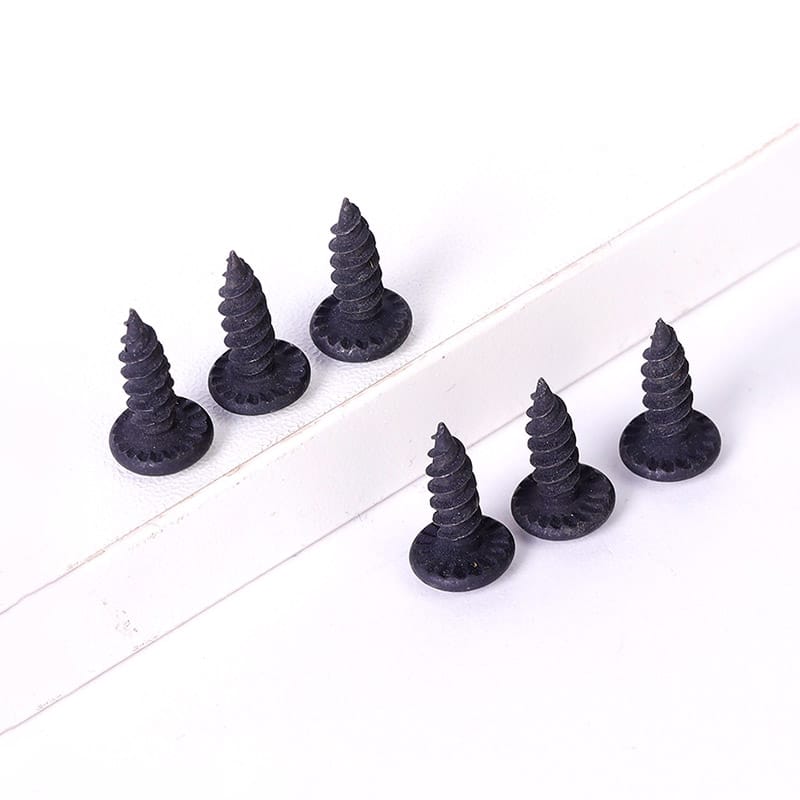
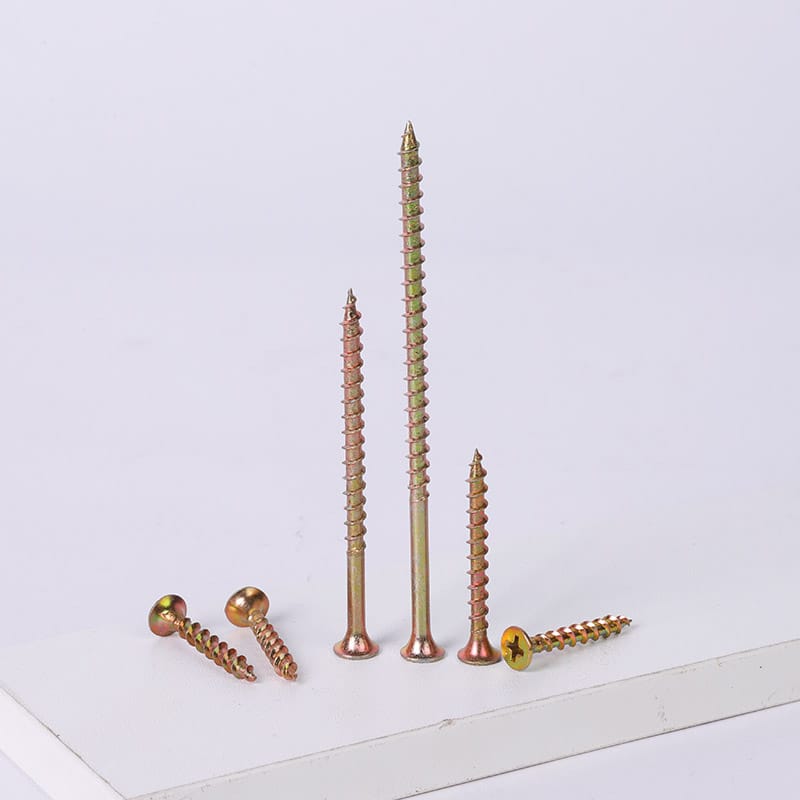
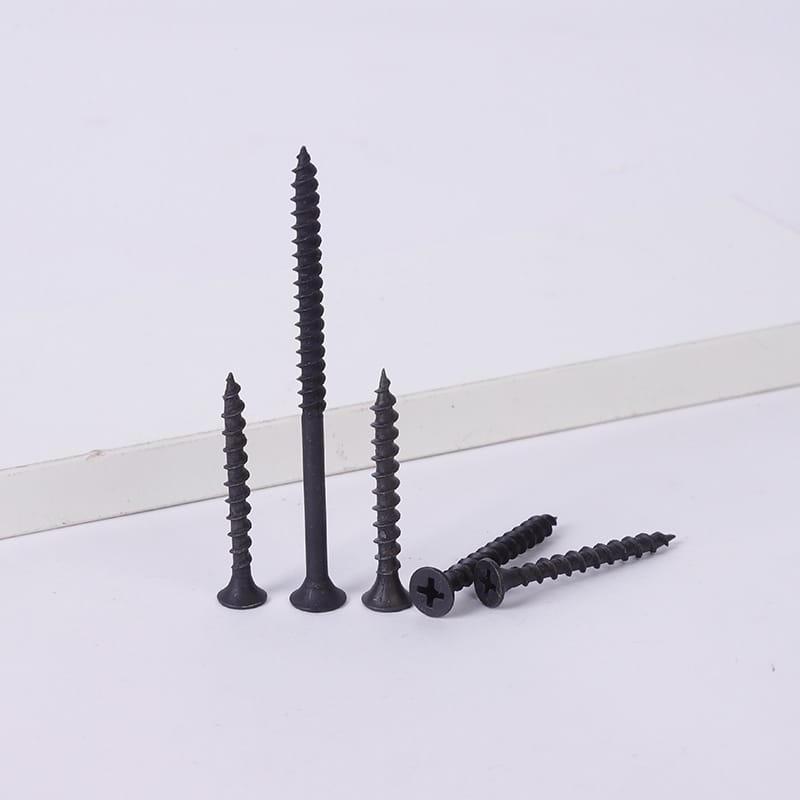
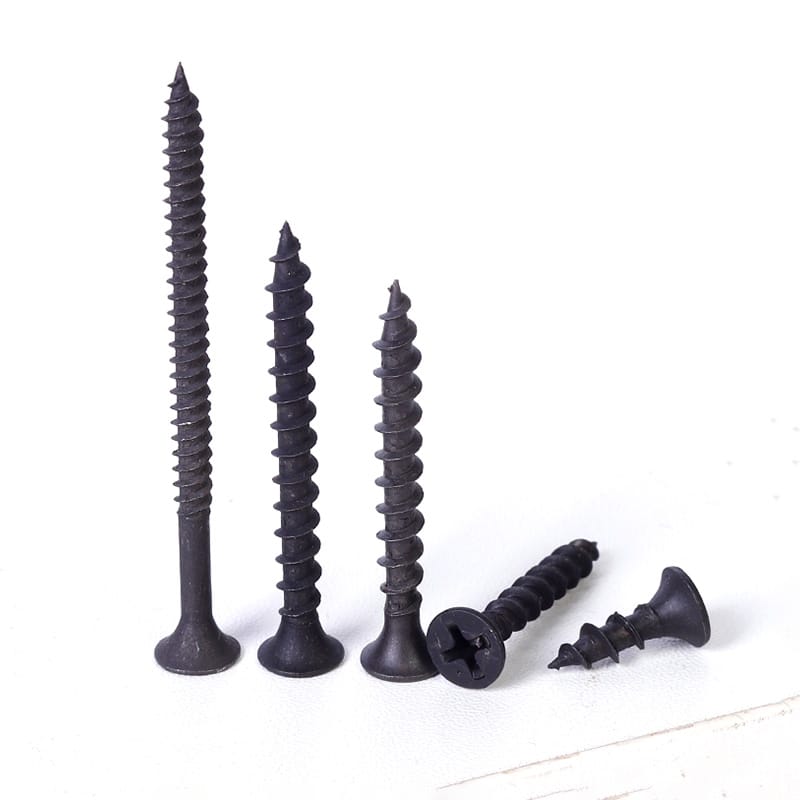
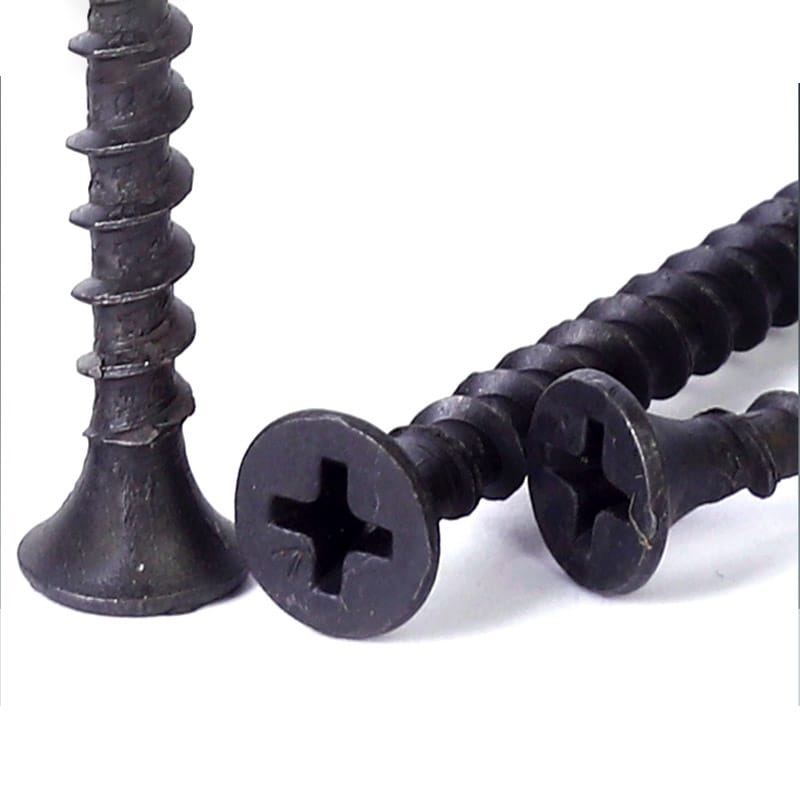
Yizhengyu lists Black Coarse Thread Drywall Screws in its product range. Use that page to start a discussion about screws for drywall, then ask for an identified drawing, surface-treatment description, and sample suitable for your joint. Catalog dimensions and appearance need confirmation against the actual order requirement.
Its product consultation and customization services describe support for specification, samples, production coordination, packaging, and after-sales questions. For screws for drywall, send the mating material, thickness range, desired head position, tool details, order quantity, destination, and required evidence. Confirm the offered scope and delivery schedule in the quotation rather than treating website examples as a firm commitment.
Request a quote for screws for drywall with the problem statement “Choose Length from the Board and Stud Detail” and a drawing or representative joint sample. The team can then review the proposed screw and the evidence needed for your application. Use the inquiry form below to provide those details and request the appropriate sample stage.
Frequently asked questions
What is the first check when I need to choose length from the board and stud detail?
For screws for drywall, identify the screw and mating material, then state the accepted installed condition. The useful penetration of a drywall screw depends on the board layers and the supporting member. Overall length includes portions that may not provide the intended grip. A catalog length cannot replace the fastening requirement supplied for the board system and framing.
Can a similar-looking screw be substituted?
Compare the head, drive, point, thread, material, finish, and dimensions. In a screws for drywall evaluation, a photograph helps identify visible form but does not replace the drawing and application evidence needed to accept a substitution.
How should I evaluate screws for drywall in a sample trial?
Make a stack drawing showing each board layer and the support. Confirm how the specified screw length is measured. Build a sample with the thickest permitted board stack and inspect the head seating and support engagement before approving the ordering length.
Does a neat head prove the joint is acceptable?
No. Seating, retention, surface condition, exposure, and any system approval are different questions. Record what the trial actually demonstrated and obtain the remaining relevant evidence.
What should I include in an inquiry about screws for drywall?
Include the drawing revision, receiving material, thickness range, head and drive, point and thread, surface treatment, quantity and packing unit, delivery destination, and agreed sample and inspection requirements. Describe the specific issue: choose length from the board and stud detail.