Table of Contents
The first useful buying decision is to define the interface that the screw must control. Nominal size and catalog appearance can help narrow a search, but the completed joint determines whether the proposed item is suitable. This guide addresses carbon steel countersunk screws through a defined problem: specify the finished part beyond the material.
Consider this purchasing or installation scenario: A buyer requests carbon steel and a black appearance. Add the head, point, finish process, and assembled acceptance conditions to the inquiry. The following checks help a buyer decide what evidence to collect and which feature to review first.
Carbon steel countersunk screws: the application boundary
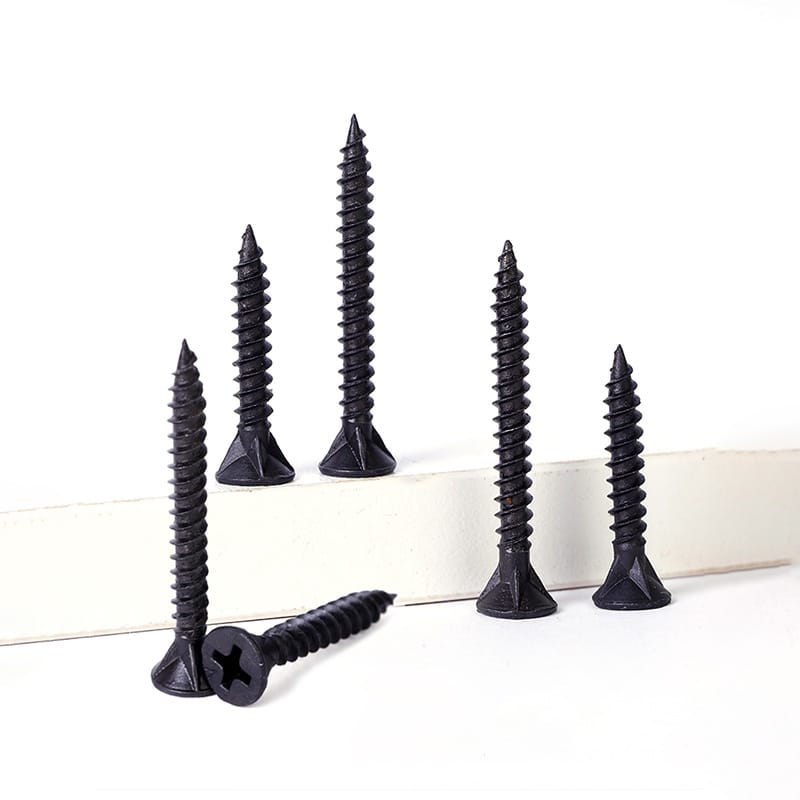
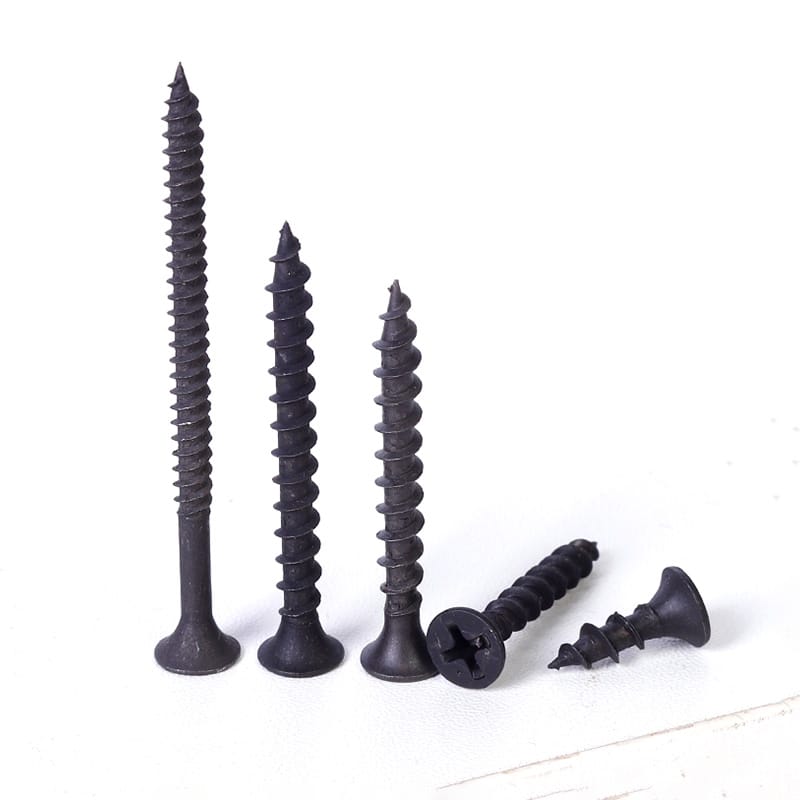
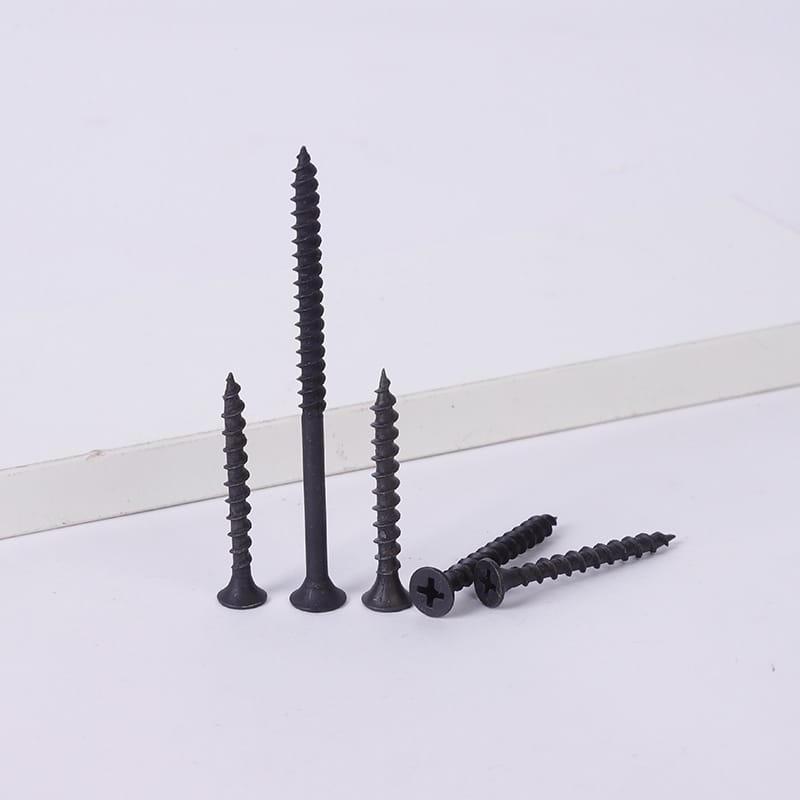
A black finish describes appearance unless its process and performance requirements are identified. A carbon-steel countersunk drilling screw combines head seating, point cutting, and finish behavior in one component. Each function needs its own acceptance evidence on the intended joint.
For carbon steel countersunk screws, begin with the condition in the scenario above. Write the required outcome on the inquiry or trial sheet before selecting a substitute. That record should distinguish a demonstrated installation result from a claim about every possible use of the product.
Plan the carbon steel countersunk screws comparison
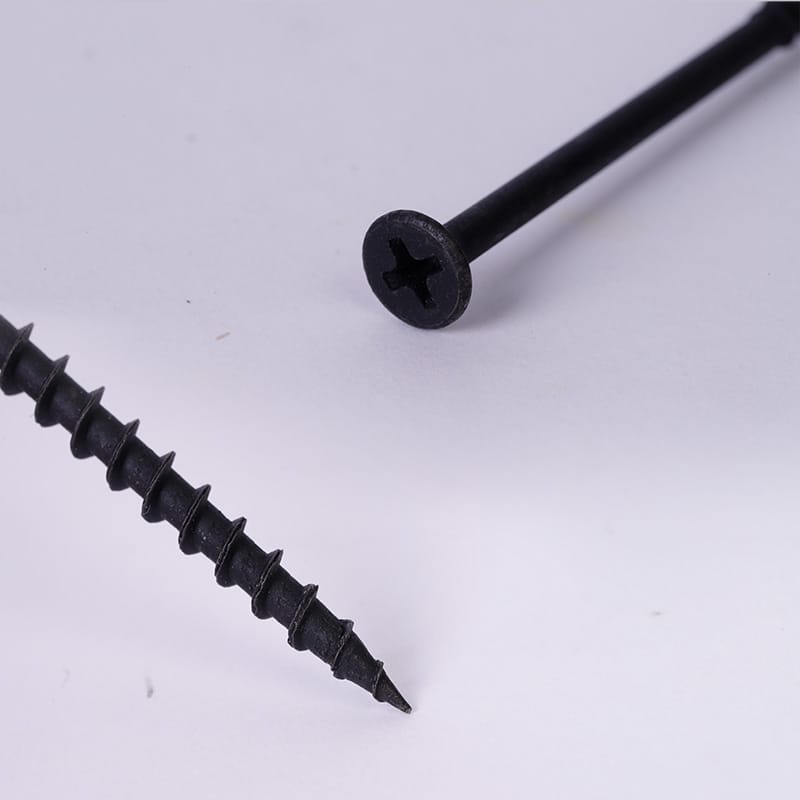
Use a representative dark panel and the actual driver to examine visible marks after installation. Record whether the head is flush, whether the bit damages the recess, and whether the coating is displaced around the seating cone. Confirm the surface-treatment specification with the supplier.
A useful carbon steel countersunk screws trial keeps the screw, mating material, and operating conditions identifiable. Compare the accepted result with the original requirement and record any limitation that the trial did not address.
Recognize the carbon steel countersunk screws failure mechanism
A black head may hide handling marks while still being damaged at the recess or thread. It should not be treated as an automatic outdoor coating. Short screws can also run out of effective engagement if the point occupies much of the available length.
When investigating carbon steel countersunk screws, retain a failed assembly and unused parts from the same delivery. Their condition allows the receiving and application teams to discuss the same event rather than compare unrelated samples.
Turn the trial into a purchasing decision
For carbon steel countersunk screws, summarize the proposed item, tested application boundary, accepted observations, and unresolved requirements on one approval sheet. Separate measurable acceptance conditions from preferences such as color or catalog wording. Assign a responsible reviewer to any system or load requirement that the installation trial did not establish. The purchasing decision should be traceable to evidence that exists, with missing evidence kept visible.
For carbon steel countersunk screws, release the item for the approved application only after the relevant conditions are met. If a trial fails, choose the next investigation from the observed mechanism rather than changing several features at once. If it passes, preserve the setup so the result can be reproduced on a pilot delivery or repeat order. This approach reduces disagreement between purchasing, receiving, and installation teams because each team can see what the fastener was selected to do and how that decision was checked.
Apply this check to carbon steel countersunk screws by keeping the same application boundary used in the first trial. The relevant starting point is the proposed item and its actual mating part, rather than a superficially similar catalog photograph.
Bring warehouse exposure into the evaluation
For carbon steel countersunk screws, inspect cartons for moisture, condensation, torn liners, and handling damage when they arrive. Record the storage position and protect the stock from contact with wet floors or materials. A dry-looking outer box does not prove that every inner pack remained dry. Keep any affected stock identified so a later coating or installation complaint can be linked to its actual handling history.
For carbon steel countersunk screws, compare unused pieces and installed samples when damage appears. Ask whether the condition existed on receipt or developed after storage, repacking, or use. Check stock rotation and retain the supplier’s original lot information through any repacking operation. Packaging helps preserve the delivered finish but cannot make an unsuitable coating appropriate for a wet service environment. Resolve both the exposure requirement and the storage process before deciding that a different finish will solve the problem.
In the carbon steel countersunk screws record, identify which condition is being changed and which condition remains controlled. That distinction lets the buyer connect an observed improvement to a specific decision instead of attributing it to the entire product description.
Approve samples with a usable record
For carbon steel countersunk screws, attach a reference drawing and an application note to the sample rather than keeping an unidentified screw in a drawer. Record the sample source, date, lot if known, and trial setup. State which features were measured and which installation or connection requirements were demonstrated. An appearance-only approval should remain an appearance-only record until the necessary functional checks have been completed.
For carbon steel countersunk screws, retain an approved reference and a representative mating part when practical. Set a process for changes to point geometry, material, finish, packing, or the manufacturing route where those changes affect the requirement. A replacement sample needs its own review if it differs from the approved item. The purpose of the record is to let a different person reproduce the purchasing decision months later without guessing what the original loose sample was meant to prove.
The carbon steel countersunk screws approval should preserve the comparison setup as well as the outcome. If the next shipment, installation tool, or receiving material differs, review the affected condition before extending the earlier acceptance.
Evaluate a proposed substitution explicitly
List every difference between the approved item and the proposed alternative. Include head form, drive, point, thread, material, finish, dimensions, and packing identity where relevant. A supplier’s description of an equivalent item should be treated as a proposal with defined differences. Match each change to the assembly function it could affect so the review can focus on meaningful evidence.
Decide which checks need repeating before accepting the alternative. A head change may affect seating and tool access, while a point change may affect cutting or required length. A finish change can affect appearance and exposure requirements. Keep the original and proposed samples identified throughout the comparison. If the alternative is accepted, update the controlled item record and notify the people responsible for receiving and installation so both configurations do not circulate under an ambiguous code.
For carbon steel countersunk screws, turn the observation into a question the supplier can answer: which drawing feature, test record, or supplied sample demonstrates the required condition? Keep a missing answer open until the relevant evidence arrives.
Plan incoming checks around real failure modes
For carbon steel countersunk screws, start receiving inspection with item identity, drawing revision, lot marking, and packaging condition. Keep suspected mixed lots apart until the identity is resolved. Select samples using an agreed plan, and record where they came from. Sampling only the most accessible open carton can miss variation elsewhere in the delivery. Check the features that matter to the intended joint, rather than collecting measurements simply because they are easy to take.
For carbon steel countersunk screws, link each observation to an acceptance condition and a disposition. A mislabeled item, a damaged carton, a dimensional difference, and a failed functional trial require different follow-up. Preserve the relevant sample and its label while the supplier investigates. If evidence is incomplete, state what is missing and hold the affected decision open. Do not turn an unperformed test into a pass or use a delivery-wide average to conceal individual unacceptable results.
An inspection of carbon steel countersunk screws is most useful when it produces a reproducible decision. Link the observation to the ordered item and the criterion that determines acceptance, rework, further investigation, or rejection.
Measure productive installation time fairly
For a time comparison, define when an installation starts and ends. Include the handling, tool reset, and rejected attempts that belong to the real process. Record the number of accepted joints separately from the number of screws driven. Timing only a successful insertion can favor a setup that looks fast but causes additional rework or inconsistent final seating.
Run both options under comparable access, substrate, operator, and tool conditions. Report the actual observation period and sample basis without inventing a universal productivity percentage. Keep the acceptance criterion constant while comparing time. If a faster setup changes the installed result, present that as a different outcome requiring review. A purchase decision can then consider the cost of an accepted connection rather than the speed of an isolated screw entering the material.
Treat the carbon steel countersunk screws requirement as a property of this defined application. A change in geometry, substrate, finish, or installation method can require another comparison even when the commercial item name remains familiar.
Carbon steel countersunk screws: compare the available evidence
Use the table below to keep the carbon steel countersunk screws decision tied to the intended connection. It compares kinds of evidence, not invented performance ratings for competing screws. The application trial and the supplier documents should identify the same proposed item.
| Check | Catalog or loose sample | Application evidence to request |
|---|---|---|
| Head and drive | Shows visible form | Fit on the mating part and with the intended tool |
| Point and thread | Identifies a proposed geometry | Installation and retention on the actual substrate |
| Finish | May show color or a broad finish name | Identified coating and relevant condition after handling and driving |
| Size | Gives nominal dimensions | Agreed reference points, tolerances, and stack clearance |
| Repeat order | Provides an item description | Drawing revision, retained sample, lot identification, and acceptance record |
For technical background, consult the ISO 15482 listing for cross-recessed countersunk drilling screws. Check the applicable scope and the project requirement. This reference does not certify a Yizhengyu product or establish acceptance of the proposed carbon steel countersunk screws application.
Prepare a carbon steel countersunk screws inquiry
Yizhengyu lists Black Self-Drilling Countersunk Screws in its product range. Use that page to start a discussion about carbon steel countersunk screws, then ask for an identified drawing, surface-treatment description, and sample suitable for your joint. Catalog dimensions and appearance need confirmation against the actual order requirement.
Its product consultation and customization services describe support for specification, samples, production coordination, packaging, and after-sales questions. For carbon steel countersunk screws, send the mating material, thickness range, desired head position, tool details, order quantity, destination, and required evidence. Confirm the offered scope and delivery schedule in the quotation rather than treating website examples as a firm commitment.
Request a quote for carbon steel countersunk screws with the problem statement “Specify the Finished Part Beyond the Material” and a drawing or representative joint sample. The team can then review the proposed screw and the evidence needed for your application. Use the inquiry form below to provide those details and request the appropriate sample stage.
Frequently asked questions
What is the first check when I need to specify the finished part beyond the material?
For carbon steel countersunk screws, identify the screw and mating material, then state the accepted installed condition. A black finish describes appearance unless its process and performance requirements are identified. A carbon-steel countersunk drilling screw combines head seating, point cutting, and finish behavior in one component. Each function needs its own acceptance evidence on the intended joint.
Can a similar-looking screw be substituted?
Compare the head, drive, point, thread, material, finish, and dimensions. In a carbon steel countersunk screws evaluation, a photograph helps identify visible form but does not replace the drawing and application evidence needed to accept a substitution.
How should I evaluate carbon steel countersunk screws in a sample trial?
Use a representative dark panel and the actual driver to examine visible marks after installation. Record whether the head is flush, whether the bit damages the recess, and whether the coating is displaced around the seating cone. Confirm the surface-treatment specification with the supplier.
Does a neat head prove the joint is acceptable?
No. Seating, retention, surface condition, exposure, and any system approval are different questions. Record what the trial actually demonstrated and obtain the remaining relevant evidence.
What should I include in an inquiry about carbon steel countersunk screws?
Include the drawing revision, receiving material, thickness range, head and drive, point and thread, surface treatment, quantity and packing unit, delivery destination, and agreed sample and inspection requirements. Describe the specific issue: specify the finished part beyond the material.