Table of Contents
The first useful buying decision is to define the interface that the screw must control. Nominal size and catalog appearance can help narrow a search, but the completed joint determines whether the proposed item is suitable. This guide addresses bugle head drywall screw seating through a defined problem: control head depth without tearing paper.
Consider this purchasing or installation scenario: A finishing crew finds torn paper around otherwise flush heads. Review depth control and the accepted seating condition on representative board. The following checks help a buyer decide what evidence to collect and which feature to review first.
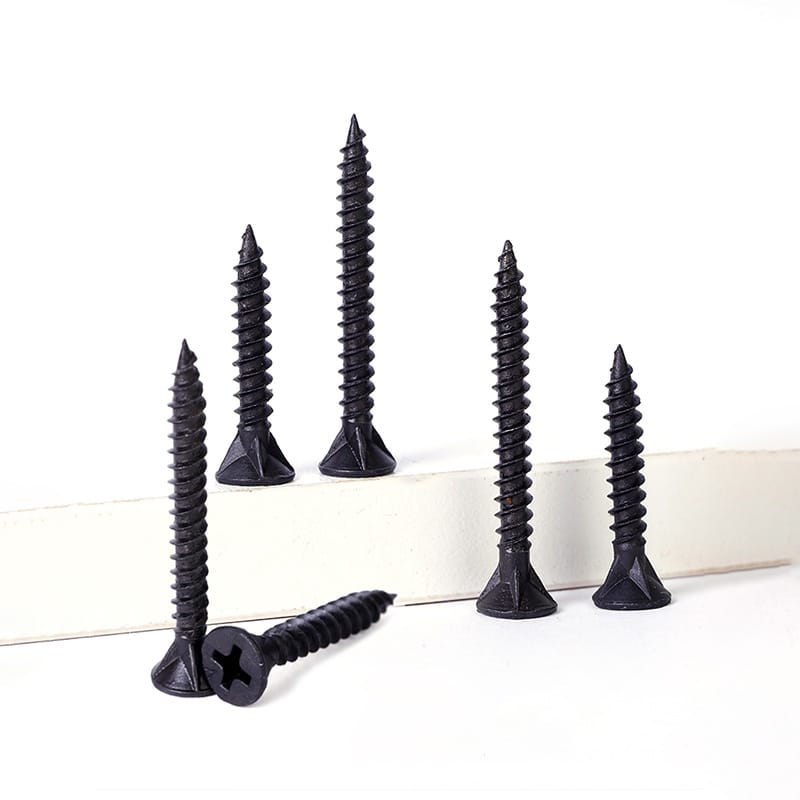
Bugle head drywall screw seating: the application boundary
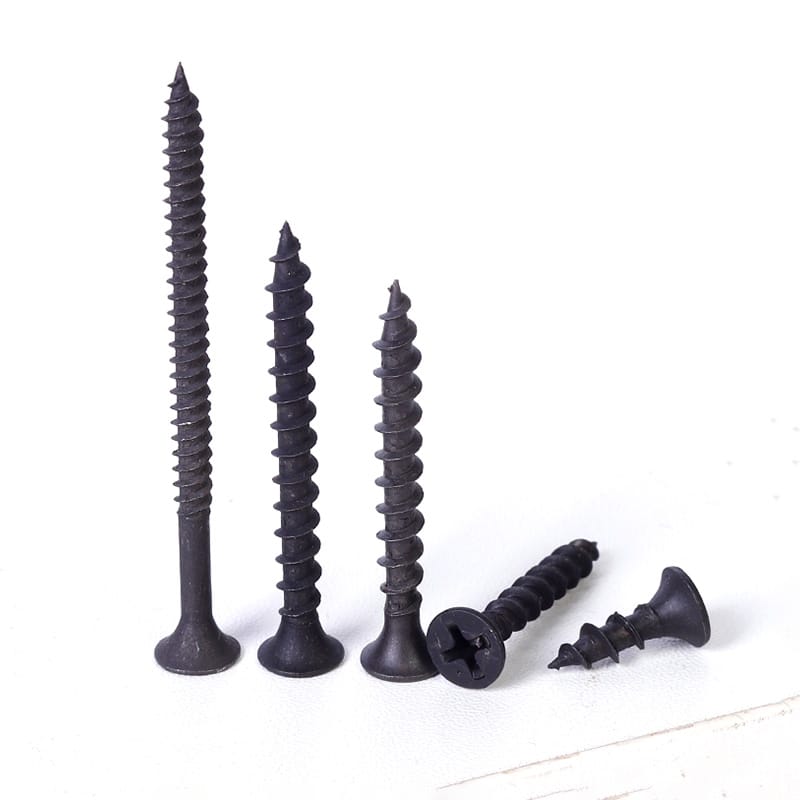
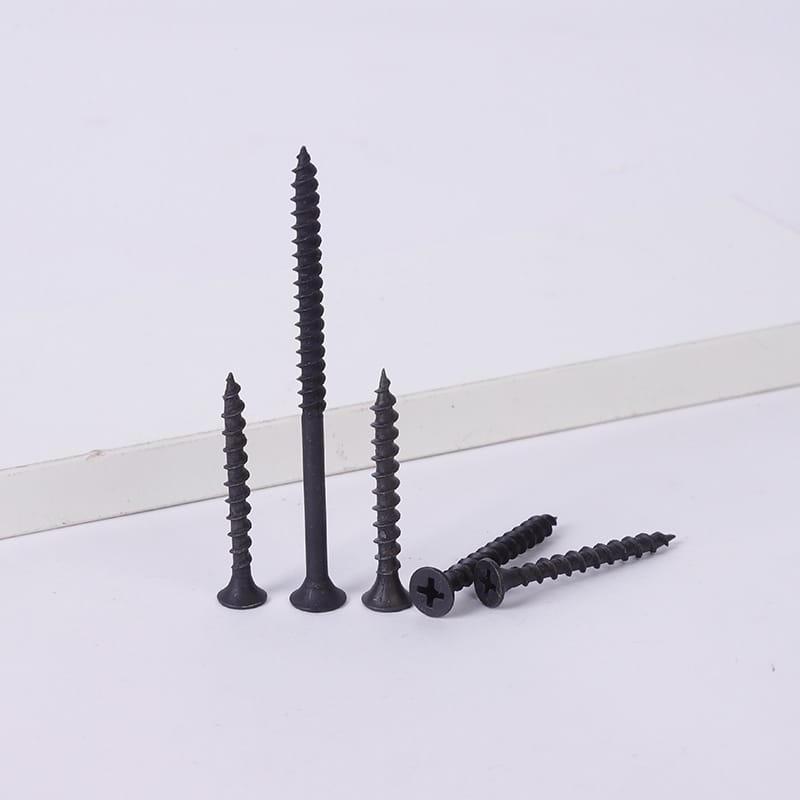
A bugle-style head is intended to seat in the gypsum-board surface without unnecessarily tearing the paper facing. The final head position must follow the board-system instructions. A visually deep recess is not evidence of a stronger attachment and may damage the part of the board carrying the head.
For bugle head drywall screw seating, begin with the condition in the scenario above. Write the required outcome on the inquiry or trial sheet before selecting a substitute. That record should distinguish a demonstrated installation result from a claim about every possible use of the product.
Plan the bugle head drywall screw seating comparison
Use the intended board and depth-control tool, then inspect the paper around every trial head. Record proud heads, acceptable seats, and torn facing separately. Evaluate the result after the operator repeats the process at normal line or site speed rather than only on a single careful installation.
A useful bugle head drywall screw seating trial keeps the screw, mating material, and operating conditions identifiable. Compare the accepted result with the original requirement and record any limitation that the trial did not address.
Recognize the bugle head drywall screw seating failure mechanism
Repeated overdriving can arise from the stop setting, inconsistent technique, or variation in the support. Underseating creates a finishing problem but should not be corrected by uncontrolled extra impacts. Define the repair process using the board-system guidance.
When investigating bugle head drywall screw seating, retain a failed assembly and unused parts from the same delivery. Their condition allows the receiving and application teams to discuss the same event rather than compare unrelated samples.
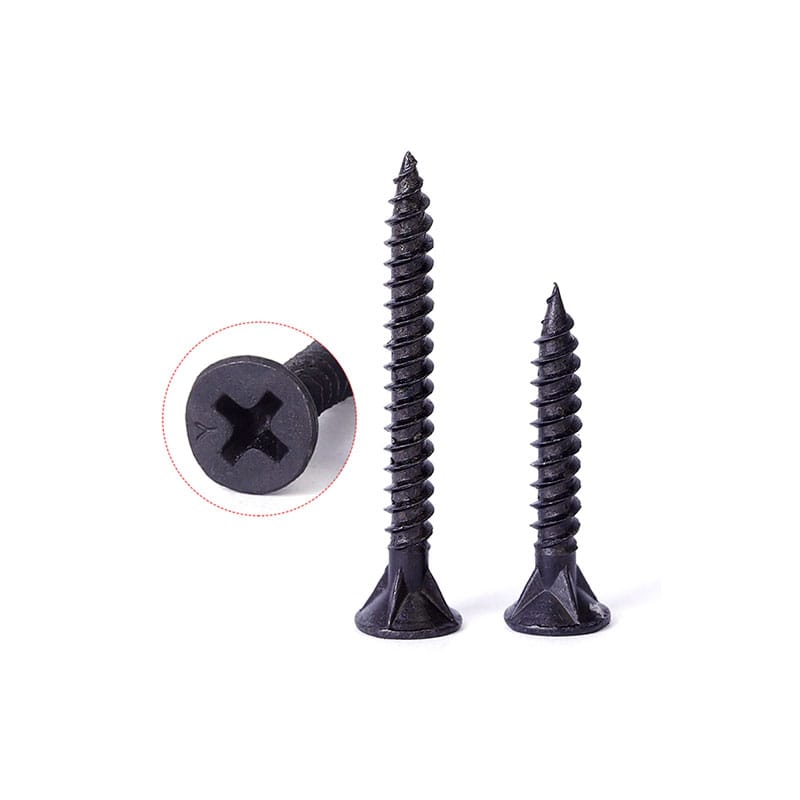
Qualify the driver interface
For bugle head drywall screw seating, identify the bit or socket by its actual profile and size, and verify full engagement on the sample head. Examine the working access in the finished assembly, including extensions and obstructions. A tool that fits a loose screw may not reach it squarely in a corner. Keep worn and new tools separate in a comparison so that a tool-condition difference is not misreported as a fastener-lot difference.
For bugle head drywall screw seating, agree how the driver interface will be maintained in production. Useful replacement signals include observed slip, loss of fit, visible damage, or deterioration in accepted installation results. A fixed replacement interval should come from the process evidence or equipment instructions. Photograph damaged recesses or head flats before removal changes them further. If the screw must later be removed, include that operation in the trial rather than assuming the installation tool will always provide a clean release.
Apply this check to bugle head drywall screw seating by keeping the same application boundary used in the first trial. The relevant starting point is the proposed item and its actual mating part, rather than a superficially similar catalog photograph.
Write acceptance criteria before receiving stock
Specify what constitutes acceptance for identity, geometry, finish condition, packaging, and the relevant functional result. Define how each requirement will be checked and who will review a disagreement. Keep the criteria connected to the purchase specification so a receiving team does not invent limits after the shipment has arrived. Appearance requirements need a usable reference where words such as neat or uniform are too subjective.
Agree how nonconforming or uncertain results will be handled. Separate an identified defect from a missing document and from an observation that needs another measurement. Record the affected lot and quantity, and preserve the relevant samples. If acceptance depends on a customer system requirement, obtain that requirement before releasing stock for the application. A documented receiving decision should show what was checked, what was accepted, and which outstanding condition still prevents release.
In the bugle head drywall screw seating record, identify which condition is being changed and which condition remains controlled. That distinction lets the buyer connect an observed improvement to a specific decision instead of attributing it to the entire product description.
Keep packing and item identity aligned
For bugle head drywall screw seating, define the inner pack, carton, and shipment quantities using one consistent item code and unit of measure. Specify the label fields that receiving and picking staff need, such as size, head and point description, finish, quantity, and lot. Similar-looking lengths deserve particular attention because a correct product can still create installation failures when the wrong carton is selected.
For bugle head drywall screw seating, check the packed product against the label on a pilot delivery. Reconcile the stated piece count with the agreed verification method and account for packaging when using mass. Inspect whether transport handling damages points, heads, or the protective finish. Keep repacked stock traceable to its source lot. A new private-label design should preserve the technical identity of the screw instead of replacing it with a marketing name that warehouse staff cannot reliably distinguish.
The bugle head drywall screw seating approval should preserve the comparison setup as well as the outcome. If the next shipment, installation tool, or receiving material differs, review the affected condition before extending the earlier acceptance.
Evaluate a proposed substitution explicitly
List every difference between the approved item and the proposed alternative. Include head form, drive, point, thread, material, finish, dimensions, and packing identity where relevant. A supplier’s description of an equivalent item should be treated as a proposal with defined differences. Match each change to the assembly function it could affect so the review can focus on meaningful evidence.
Decide which checks need repeating before accepting the alternative. A head change may affect seating and tool access, while a point change may affect cutting or required length. A finish change can affect appearance and exposure requirements. Keep the original and proposed samples identified throughout the comparison. If the alternative is accepted, update the controlled item record and notify the people responsible for receiving and installation so both configurations do not circulate under an ambiguous code.
For bugle head drywall screw seating, turn the observation into a question the supplier can answer: which drawing feature, test record, or supplied sample demonstrates the required condition? Keep a missing answer open until the relevant evidence arrives.
Make the dimensions reproducible
A dimensional check for bugle head drywall screw seating needs agreed reference points, an identified instrument, and an item drawing. Record how length is measured for the actual head style, where diameter is checked, and which head and point features are critical. Avoid comparing one supplier’s nominal catalog entry with another supplier’s measured sample as if both were the same kind of evidence. Keep any measurement uncertainty visible when a reading is close to an agreed limit.
For bugle head drywall screw seating, measure more than the easiest exposed feature. The head, recess, point, thread, and straightness can each influence assembly even when overall length matches. Retain the individual observations rather than only an average, because an acceptable average can conceal an unusable part. If the order lacks tolerances, agree them with the supplier before treating a small difference as a rejection. Photograph the measurement arrangement when its position is not obvious from the record.
An inspection of bugle head drywall screw seating is most useful when it produces a reproducible decision. Link the observation to the ordered item and the criterion that determines acceptance, rework, further investigation, or rejection.
Plan incoming checks around real failure modes
For bugle head drywall screw seating, start receiving inspection with item identity, drawing revision, lot marking, and packaging condition. Keep suspected mixed lots apart until the identity is resolved. Select samples using an agreed plan, and record where they came from. Sampling only the most accessible open carton can miss variation elsewhere in the delivery. Check the features that matter to the intended joint, rather than collecting measurements simply because they are easy to take.
For bugle head drywall screw seating, link each observation to an acceptance condition and a disposition. A mislabeled item, a damaged carton, a dimensional difference, and a failed functional trial require different follow-up. Preserve the relevant sample and its label while the supplier investigates. If evidence is incomplete, state what is missing and hold the affected decision open. Do not turn an unperformed test into a pass or use a delivery-wide average to conceal individual unacceptable results.
Treat the bugle head drywall screw seating requirement as a property of this defined application. A change in geometry, substrate, finish, or installation method can require another comparison even when the commercial item name remains familiar.
Bugle head drywall screw seating: compare the available evidence
Use the table below to keep the bugle head drywall screw seating decision tied to the intended connection. It compares kinds of evidence, not invented performance ratings for competing screws. The application trial and the supplier documents should identify the same proposed item.
| Check | Catalog or loose sample | Application evidence to request |
|---|---|---|
| Head and drive | Shows visible form | Fit on the mating part and with the intended tool |
| Point and thread | Identifies a proposed geometry | Installation and retention on the actual substrate |
| Finish | May show color or a broad finish name | Identified coating and relevant condition after handling and driving |
| Size | Gives nominal dimensions | Agreed reference points, tolerances, and stack clearance |
| Repeat order | Provides an item description | Drawing revision, retained sample, lot identification, and acceptance record |
For technical background, consult the ASTM C1002 scope for gypsum-board attachment screws. Check the applicable scope and the project requirement. This reference does not certify a Yizhengyu product or establish acceptance of the proposed bugle head drywall screw seating application.
Prepare a bugle head drywall screw seating inquiry
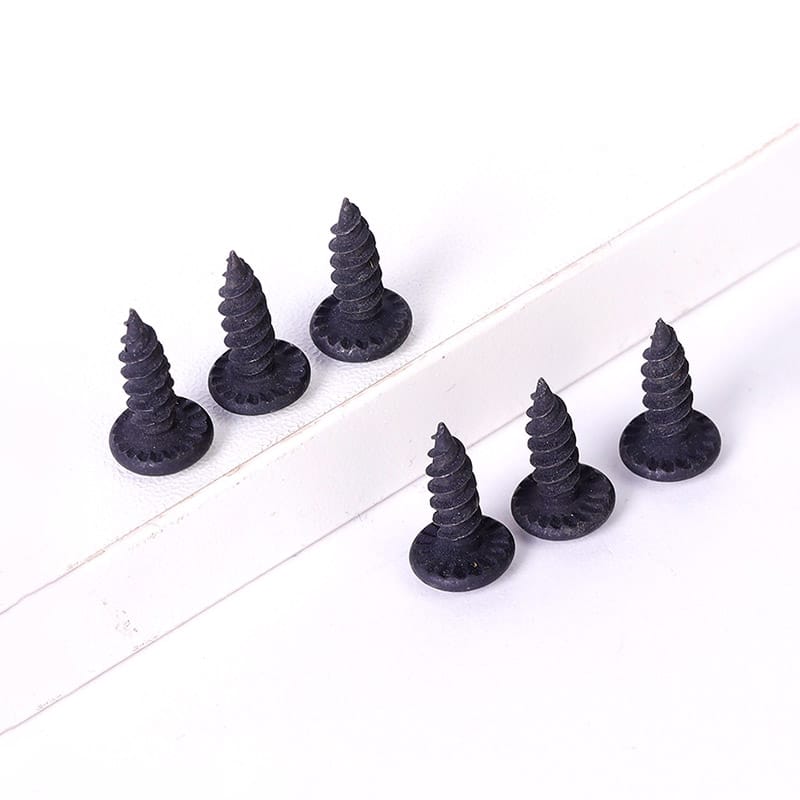
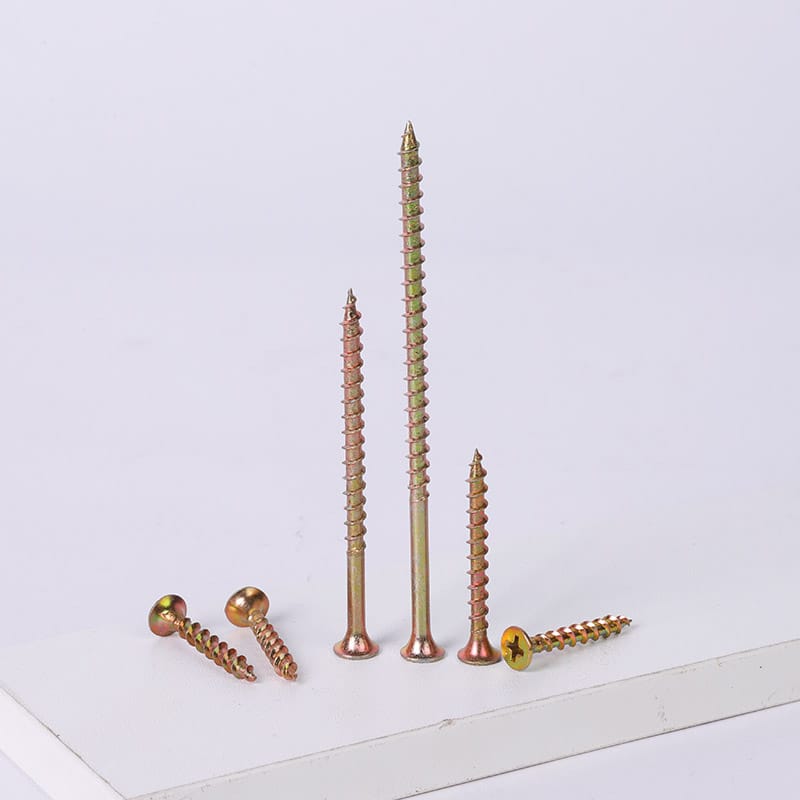
Yizhengyu lists PH2 Bugle Head Drywall Screw in its product range. Use that page to start a discussion about bugle head drywall screw seating, then ask for an identified drawing, surface-treatment description, and sample suitable for your joint. Catalog dimensions and appearance need confirmation against the actual order requirement.
Its product consultation and customization services describe support for specification, samples, production coordination, packaging, and after-sales questions. For bugle head drywall screw seating, send the mating material, thickness range, desired head position, tool details, order quantity, destination, and required evidence. Confirm the offered scope and delivery schedule in the quotation rather than treating website examples as a firm commitment.
Request a quote for bugle head drywall screw seating with the problem statement “Control Head Depth Without Tearing Paper” and a drawing or representative joint sample. The team can then review the proposed screw and the evidence needed for your application. Use the inquiry form below to provide those details and request the appropriate sample stage.
Frequently asked questions
What is the first check when I need to control head depth without tearing paper?
For bugle head drywall screw seating, identify the screw and mating material, then state the accepted installed condition. A bugle-style head is intended to seat in the gypsum-board surface without unnecessarily tearing the paper facing. The final head position must follow the board-system instructions. A visually deep recess is not evidence of a stronger attachment and may damage the part of the board carrying the head.
Can a similar-looking screw be substituted?
Compare the head, drive, point, thread, material, finish, and dimensions. In a bugle head drywall screw seating evaluation, a photograph helps identify visible form but does not replace the drawing and application evidence needed to accept a substitution.
How should I evaluate bugle head drywall screw seating in a sample trial?
Use the intended board and depth-control tool, then inspect the paper around every trial head. Record proud heads, acceptable seats, and torn facing separately. Evaluate the result after the operator repeats the process at normal line or site speed rather than only on a single careful installation.
Does a neat head prove the joint is acceptable?
No. Seating, retention, surface condition, exposure, and any system approval are different questions. Record what the trial actually demonstrated and obtain the remaining relevant evidence.
What should I include in an inquiry about bugle head drywall screw seating?
Include the drawing revision, receiving material, thickness range, head and drive, point and thread, surface treatment, quantity and packing unit, delivery destination, and agreed sample and inspection requirements. Describe the specific issue: control head depth without tearing paper.