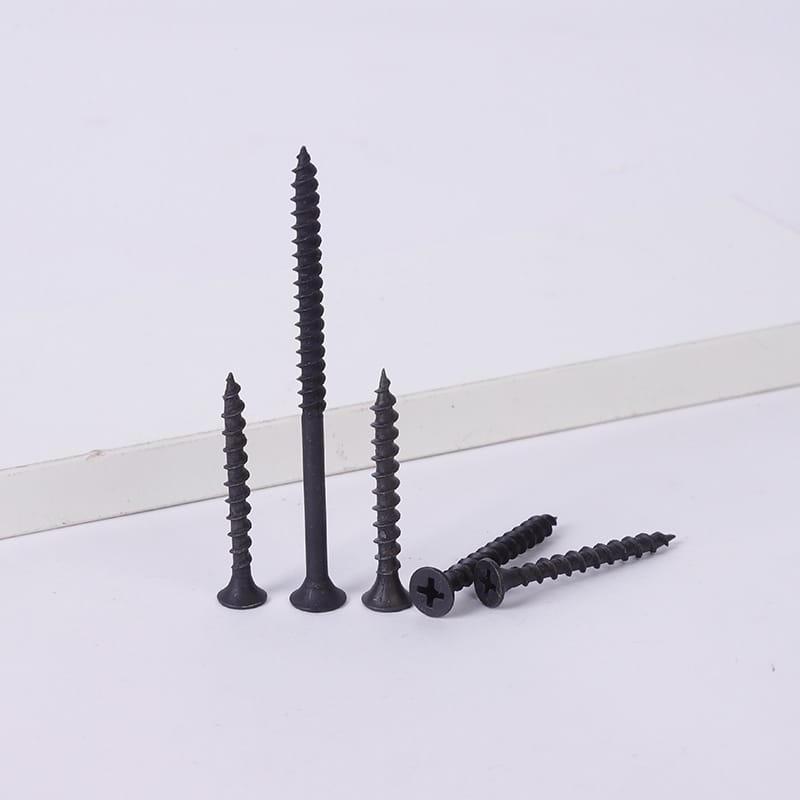
Table of Contents
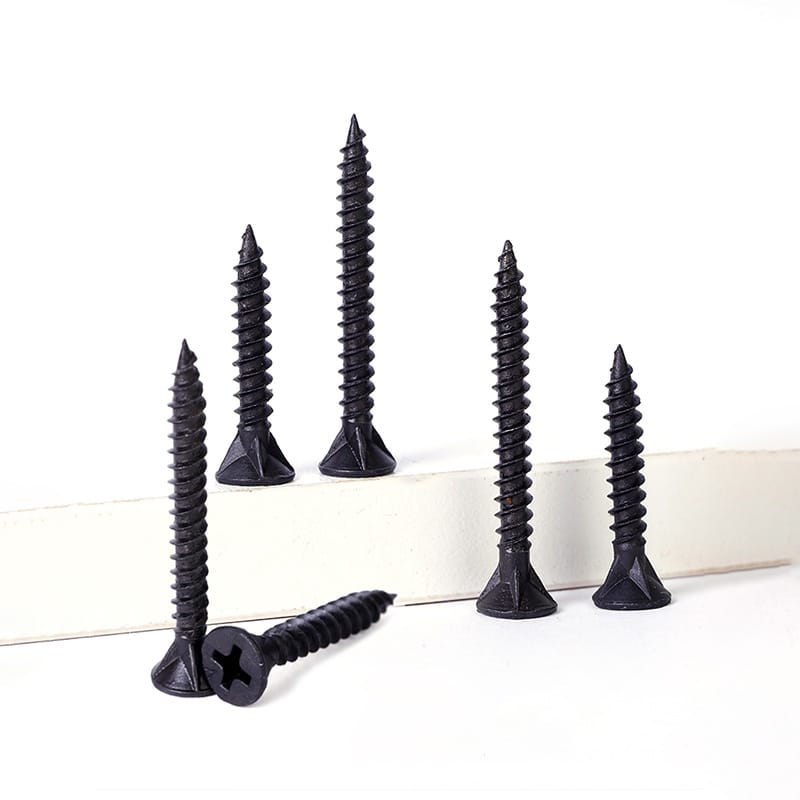
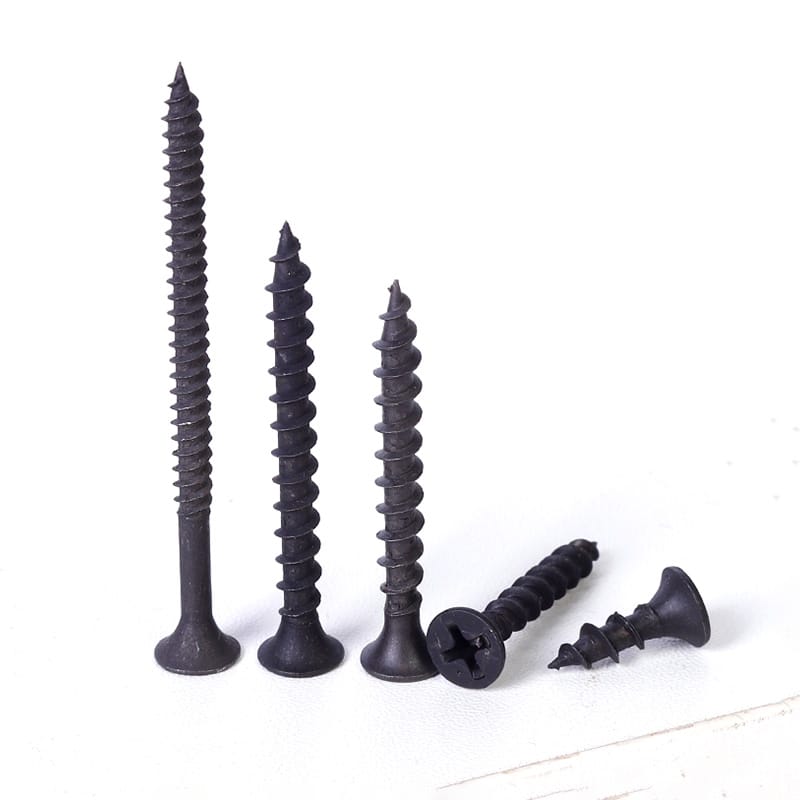
The first useful buying decision is to define the interface that the screw must control. Nominal size and catalog appearance can help narrow a search, but the completed joint determines whether the proposed item is suitable. This guide addresses phillips drive countersunk screws through a defined problem: protect the recess during flush seating.
Consider this purchasing or installation scenario: A visible assembly shows drive marks just before the head seats. Compare bit engagement and the stopping method on the actual recess. The following checks help a buyer decide what evidence to collect and which feature to review first.

Phillips drive countersunk screws: the application boundary
A countersunk head leaves limited room around its recess, especially on small fasteners. The bit needs enough engagement to control drilling and seating without damaging the visible head. Driver alignment becomes particularly important when the screw approaches the final flush position.
For phillips drive countersunk screws, begin with the condition in the scenario above. Write the required outcome on the inquiry or trial sheet before selecting a substitute. That record should distinguish a demonstrated installation result from a claim about every possible use of the product.
Plan the phillips drive countersunk screws comparison
Trial the specified bit with the assembled recess geometry and actual working access. Examine the drive after one installation and after any permitted removal. If rework is part of the process, define whether the screw can be reused or must be replaced after removal.
A useful phillips drive countersunk screws trial keeps the screw, mating material, and operating conditions identifiable. Compare the accepted result with the original requirement and record any limitation that the trial did not address.
Recognize the phillips drive countersunk screws failure mechanism
Drive damage near final seating can result from an overaggressive stop setting or poor bit engagement. A head that appears undamaged may still have an overcut mating recess. Inspect both parts of the interface before prescribing a driver change.
When investigating phillips drive countersunk screws, retain a failed assembly and unused parts from the same delivery. Their condition allows the receiving and application teams to discuss the same event rather than compare unrelated samples.
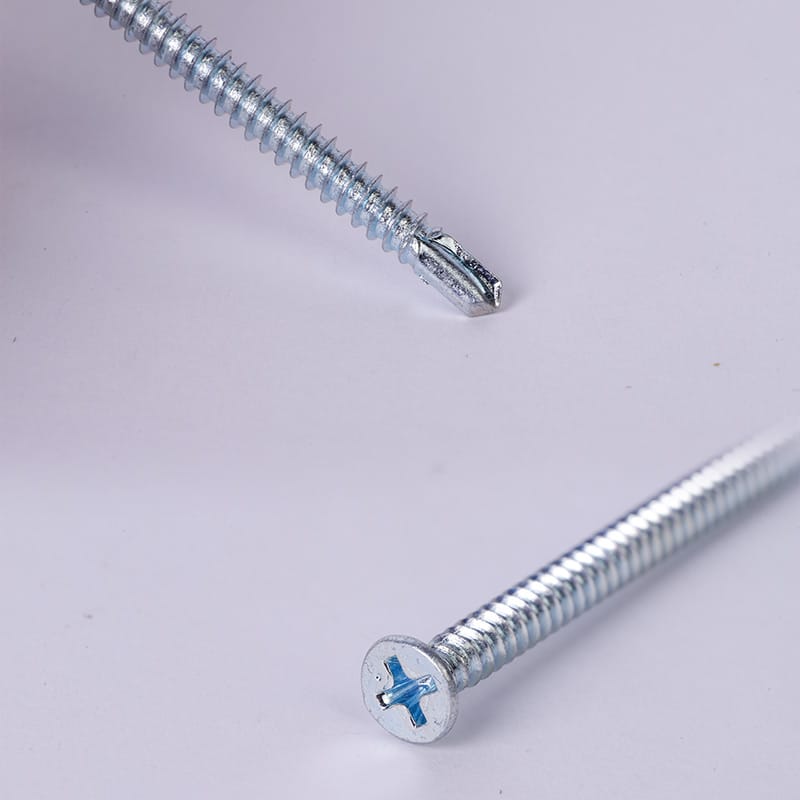
Check effective thread engagement
For phillips drive countersunk screws, identify the receiving material that actually carries the thread. The visible length beyond the joint does not describe the engagement inside it. A point, unthreaded portion, gap, or clearance hole can occupy length without contributing the intended retention. Use a stack drawing and a representative assembled sample to locate the useful thread relative to the support, particularly when the fastening passes through more than one layer.
For phillips drive countersunk screws, do not translate screw-only strength into a joint capacity. Thin sheet can strip, a panel can pull over the head, and wood or composite material can fail around an intact screw. Observe the failure location and compare it with the connection requirement. Increasing length or diameter may change installation behavior and nearby clearances without curing the original mechanism. Any change should therefore be assessed on the actual joint rather than accepted from the nominal size alone.
Apply this check to phillips drive countersunk screws by keeping the same application boundary used in the first trial. The relevant starting point is the proposed item and its actual mating part, rather than a superficially similar catalog photograph.
Evaluate a proposed substitution explicitly
List every difference between the approved item and the proposed alternative. Include head form, drive, point, thread, material, finish, dimensions, and packing identity where relevant. A supplier’s description of an equivalent item should be treated as a proposal with defined differences. Match each change to the assembly function it could affect so the review can focus on meaningful evidence.
Decide which checks need repeating before accepting the alternative. A head change may affect seating and tool access, while a point change may affect cutting or required length. A finish change can affect appearance and exposure requirements. Keep the original and proposed samples identified throughout the comparison. If the alternative is accepted, update the controlled item record and notify the people responsible for receiving and installation so both configurations do not circulate under an ambiguous code.
In the phillips drive countersunk screws record, identify which condition is being changed and which condition remains controlled. That distinction lets the buyer connect an observed improvement to a specific decision instead of attributing it to the entire product description.
Use a drawing revision for repeat supply
For phillips drive countersunk screws, put the ordered geometry, surface treatment, and acceptance conditions under one identified revision. A reorder should refer to that revision and the approved sample, not simply to the last invoice description. Require any proposed alternative to identify the changed feature and the reason for the change. This prevents a small catalog or production adjustment from becoming an unnoticed application change.
For phillips drive countersunk screws, compare the first delivery under a changed revision with the previously accepted item and actual assembly. Preserve both records so later complaints can be assigned to the correct configuration. Keep customer item codes linked to supplier codes when private labeling or repacking is used. Delivery speed and continuity are useful commercial objectives, but they should be agreed alongside the controls that keep the supplied screw consistent with the approved connection.
The phillips drive countersunk screws approval should preserve the comparison setup as well as the outcome. If the next shipment, installation tool, or receiving material differs, review the affected condition before extending the earlier acceptance.
Make the dimensions reproducible
A dimensional check for phillips drive countersunk screws needs agreed reference points, an identified instrument, and an item drawing. Record how length is measured for the actual head style, where diameter is checked, and which head and point features are critical. Avoid comparing one supplier’s nominal catalog entry with another supplier’s measured sample as if both were the same kind of evidence. Keep any measurement uncertainty visible when a reading is close to an agreed limit.
For phillips drive countersunk screws, measure more than the easiest exposed feature. The head, recess, point, thread, and straightness can each influence assembly even when overall length matches. Retain the individual observations rather than only an average, because an acceptable average can conceal an unusable part. If the order lacks tolerances, agree them with the supplier before treating a small difference as a rejection. Photograph the measurement arrangement when its position is not obvious from the record.
For phillips drive countersunk screws, turn the observation into a question the supplier can answer: which drawing feature, test record, or supplied sample demonstrates the required condition? Keep a missing answer open until the relevant evidence arrives.
Distinguish thread form from nominal diameter
Two screws described with the same diameter can have different thread profiles, pitches, and point arrangements. Those differences can change installation and engagement in the receiving material. Use the agreed drawing or product specification to identify the relevant form. A caliper measurement over a convenient part of the thread does not by itself verify every thread feature or demonstrate fit in the intended joint.
When a thread check is required, agree the method and equipment appropriate to the specified screw. Keep any functional trial separate from dimensional observations: a screw can fit an oversize test hole without meeting its own drawing. Inspect damaged and unused thread portions separately after a complaint. Before substituting another form, compare the receiving material, prepared hole if present, and installed result rather than assuming the diameter description makes the parts interchangeable.
An inspection of phillips drive countersunk screws is most useful when it produces a reproducible decision. Link the observation to the ordered item and the criterion that determines acceptance, rework, further investigation, or rejection.
Bring warehouse exposure into the evaluation
For phillips drive countersunk screws, inspect cartons for moisture, condensation, torn liners, and handling damage when they arrive. Record the storage position and protect the stock from contact with wet floors or materials. A dry-looking outer box does not prove that every inner pack remained dry. Keep any affected stock identified so a later coating or installation complaint can be linked to its actual handling history.
For phillips drive countersunk screws, compare unused pieces and installed samples when damage appears. Ask whether the condition existed on receipt or developed after storage, repacking, or use. Check stock rotation and retain the supplier’s original lot information through any repacking operation. Packaging helps preserve the delivered finish but cannot make an unsuitable coating appropriate for a wet service environment. Resolve both the exposure requirement and the storage process before deciding that a different finish will solve the problem.
Treat the phillips drive countersunk screws requirement as a property of this defined application. A change in geometry, substrate, finish, or installation method can require another comparison even when the commercial item name remains familiar.
Phillips drive countersunk screws: compare the available evidence
Use the table below to keep the phillips drive countersunk screws decision tied to the intended connection. It compares kinds of evidence, not invented performance ratings for competing screws. The application trial and the supplier documents should identify the same proposed item.
| Check | Catalog or loose sample | Application evidence to request |
|---|---|---|
| Head and drive | Shows visible form | Fit on the mating part and with the intended tool |
| Point and thread | Identifies a proposed geometry | Installation and retention on the actual substrate |
| Finish | May show color or a broad finish name | Identified coating and relevant condition after handling and driving |
| Size | Gives nominal dimensions | Agreed reference points, tolerances, and stack clearance |
| Repeat order | Provides an item description | Drawing revision, retained sample, lot identification, and acceptance record |
For technical background, consult the ISO 15482 listing for cross-recessed countersunk drilling screws. Check the applicable scope and the project requirement. This reference does not certify a Yizhengyu product or establish acceptance of the proposed phillips drive countersunk screws application.
Prepare a phillips drive countersunk screws inquiry
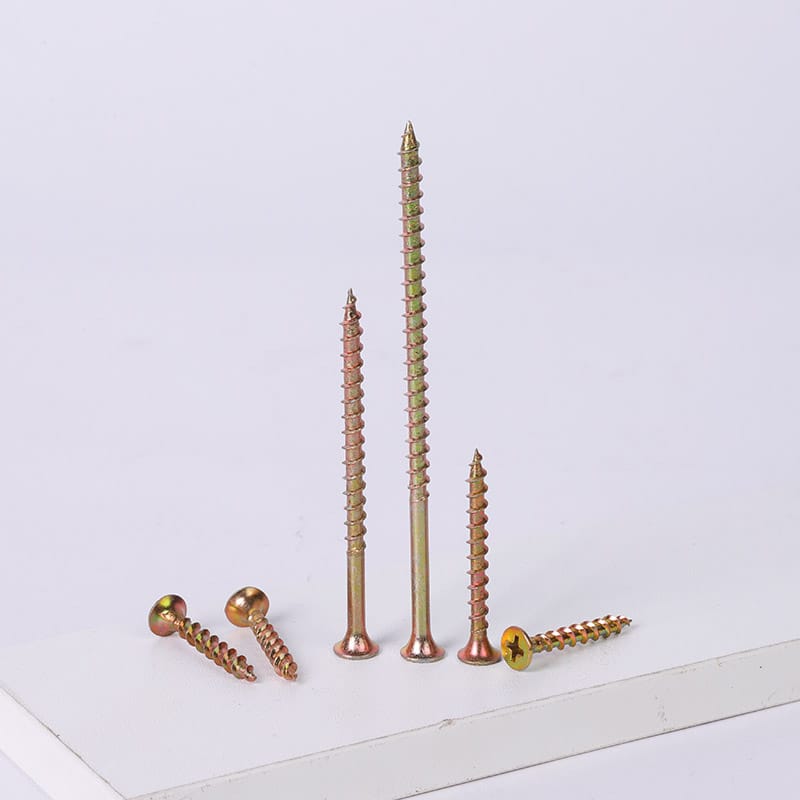
Yizhengyu lists Countersunk Self Drilling Screw in its product range. Use that page to start a discussion about phillips drive countersunk screws, then ask for an identified drawing, surface-treatment description, and sample suitable for your joint. Catalog dimensions and appearance need confirmation against the actual order requirement.
Its product consultation and customization services describe support for specification, samples, production coordination, packaging, and after-sales questions. For phillips drive countersunk screws, send the mating material, thickness range, desired head position, tool details, order quantity, destination, and required evidence. Confirm the offered scope and delivery schedule in the quotation rather than treating website examples as a firm commitment.
Request a quote for phillips drive countersunk screws with the problem statement “Protect the Recess During Flush Seating” and a drawing or representative joint sample. The team can then review the proposed screw and the evidence needed for your application. Use the inquiry form below to provide those details and request the appropriate sample stage.
Frequently asked questions
What is the first check when I need to protect the recess during flush seating?
For phillips drive countersunk screws, identify the screw and mating material, then state the accepted installed condition. A countersunk head leaves limited room around its recess, especially on small fasteners. The bit needs enough engagement to control drilling and seating without damaging the visible head. Driver alignment becomes particularly important when the screw approaches the final flush position.
Can a similar-looking screw be substituted?
Compare the head, drive, point, thread, material, finish, and dimensions. In a phillips drive countersunk screws evaluation, a photograph helps identify visible form but does not replace the drawing and application evidence needed to accept a substitution.
How should I evaluate phillips drive countersunk screws in a sample trial?
Trial the specified bit with the assembled recess geometry and actual working access. Examine the drive after one installation and after any permitted removal. If rework is part of the process, define whether the screw can be reused or must be replaced after removal.
Does a neat head prove the joint is acceptable?
No. Seating, retention, surface condition, exposure, and any system approval are different questions. Record what the trial actually demonstrated and obtain the remaining relevant evidence.
What should I include in an inquiry about phillips drive countersunk screws?
Include the drawing revision, receiving material, thickness range, head and drive, point and thread, surface treatment, quantity and packing unit, delivery destination, and agreed sample and inspection requirements. Describe the specific issue: protect the recess during flush seating.