Table of Contents
When a production line slows down because of coil nail jams, the problem is rarely “just the nailer.” In pallet shops, fencing work, crating lines, and roofing crews, feeding trouble often comes from a mix of nail specification, collation quality, air pressure, storage conditions, and tool wear. This guide explains how to diagnose coil nail jams in a practical order, so buyers and workshop managers can separate tool issues from fastener issues before they lose more time on rework.
What Counts as a Coil Nail Jam?
A true jam happens when the nailer cannot feed or drive the next fastener cleanly. You may see a bent nail in the nose, two nails trying to enter the driver channel, a broken wire weld, an incomplete drive, or a coil that stops advancing inside the magazine. Some operators call every misfire a jam, but that makes troubleshooting harder. Coil nail jams should be logged by symptom: feed stop, double feed, bent shank, head obstruction, or shallow drive.
That distinction matters because each symptom points to a different cause. A shallow drive may be air supply related. A double feed may point to incorrect collation angle, damaged magazine parts, or an inconsistent coil. A bent shank can come from the wrong nail length, a worn driver, or contact with dense knots or metal hardware in the workpiece. The more accurately the team describes coil nail jams, the faster the root cause becomes visible.
Start with the Nail Specification
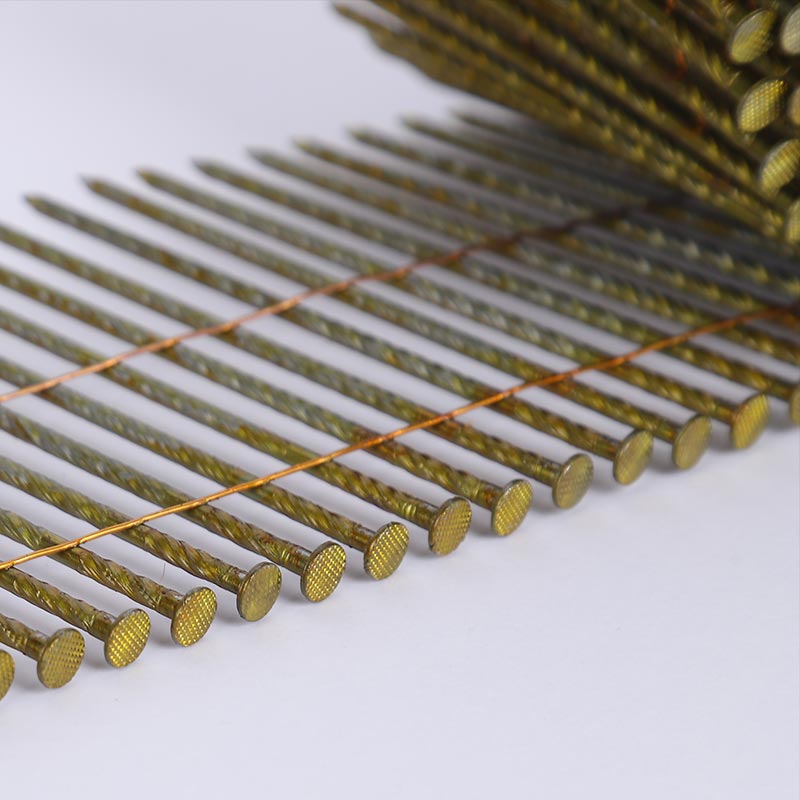
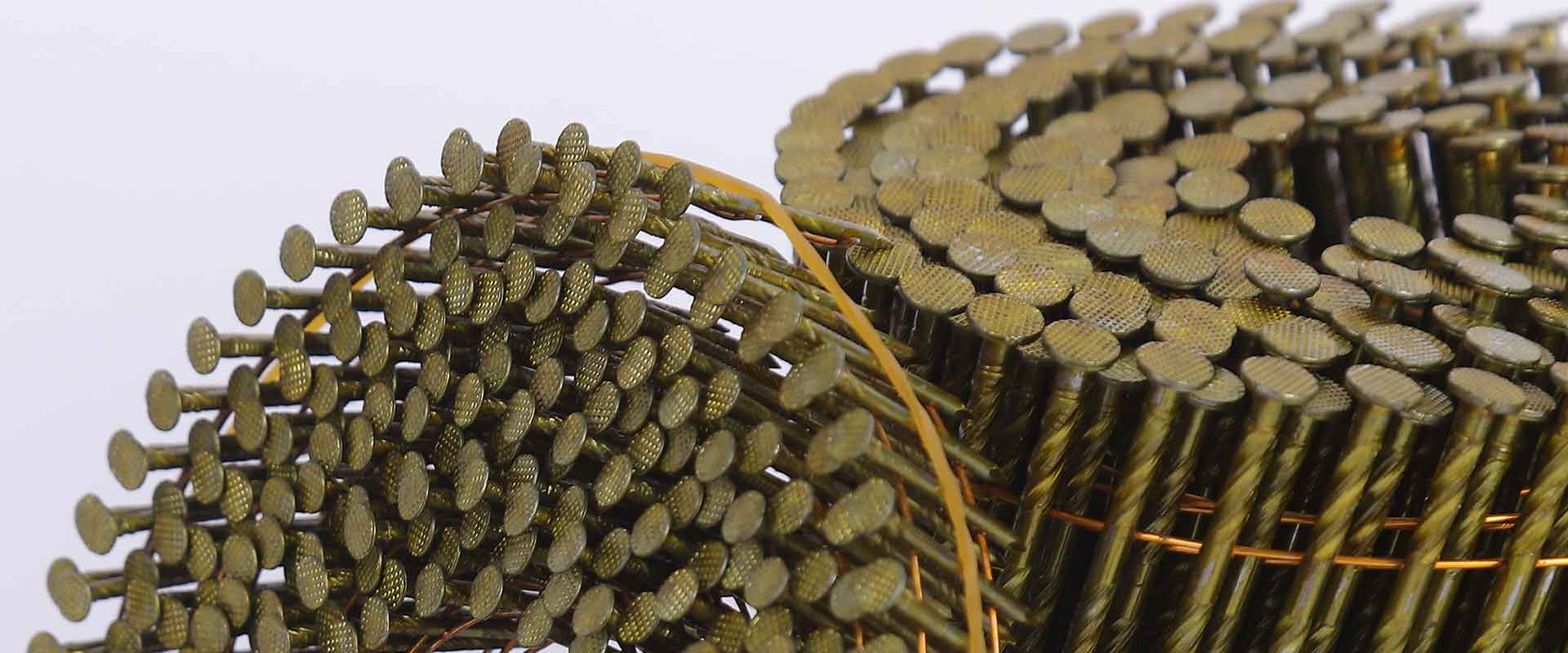
The fastest way to reduce coil nail jams is to confirm that the nail matches the tool before adjusting anything else. Check shank diameter, length, head diameter, collation angle, coil type, and wire spacing against the nailer manual. Coil nailers are designed around a specific feed path. If the shank is too thick, the head is oversized, or the collation angle is wrong, the magazine may accept the coil but still fail under speed.
For industrial buying, avoid approving a shipment only by nail length and surface finish. Ask for the full technical specification and compare it with the tool models used by your production line. If your team uses several nailer models, test the same coil in each model under normal air pressure and normal work speed before placing a repeat order. This simple test catches many coil nail jams before they reach a customer site.
Check Collation Quality and Coil Shape
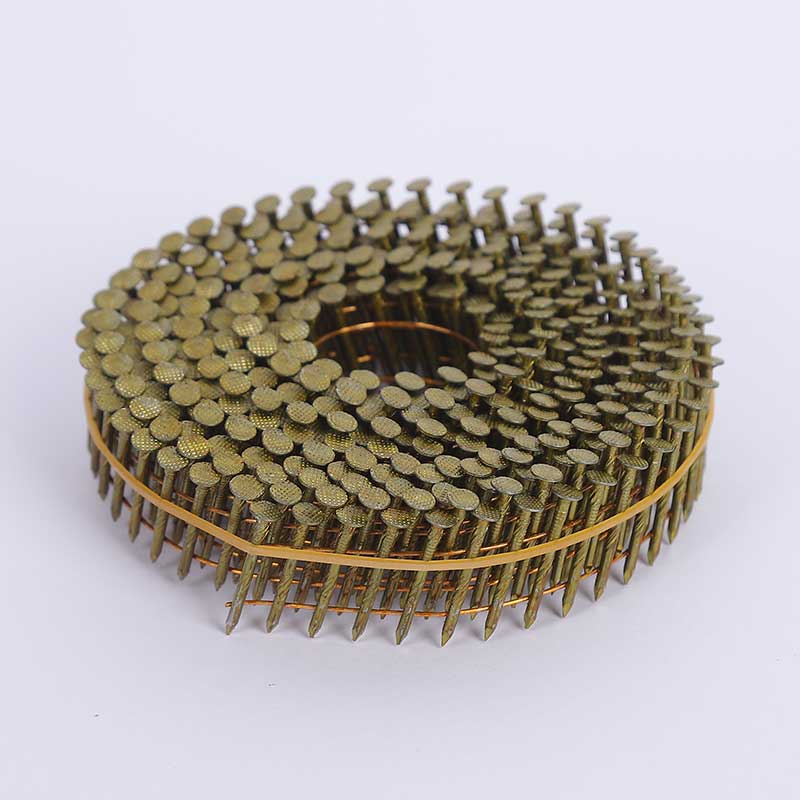
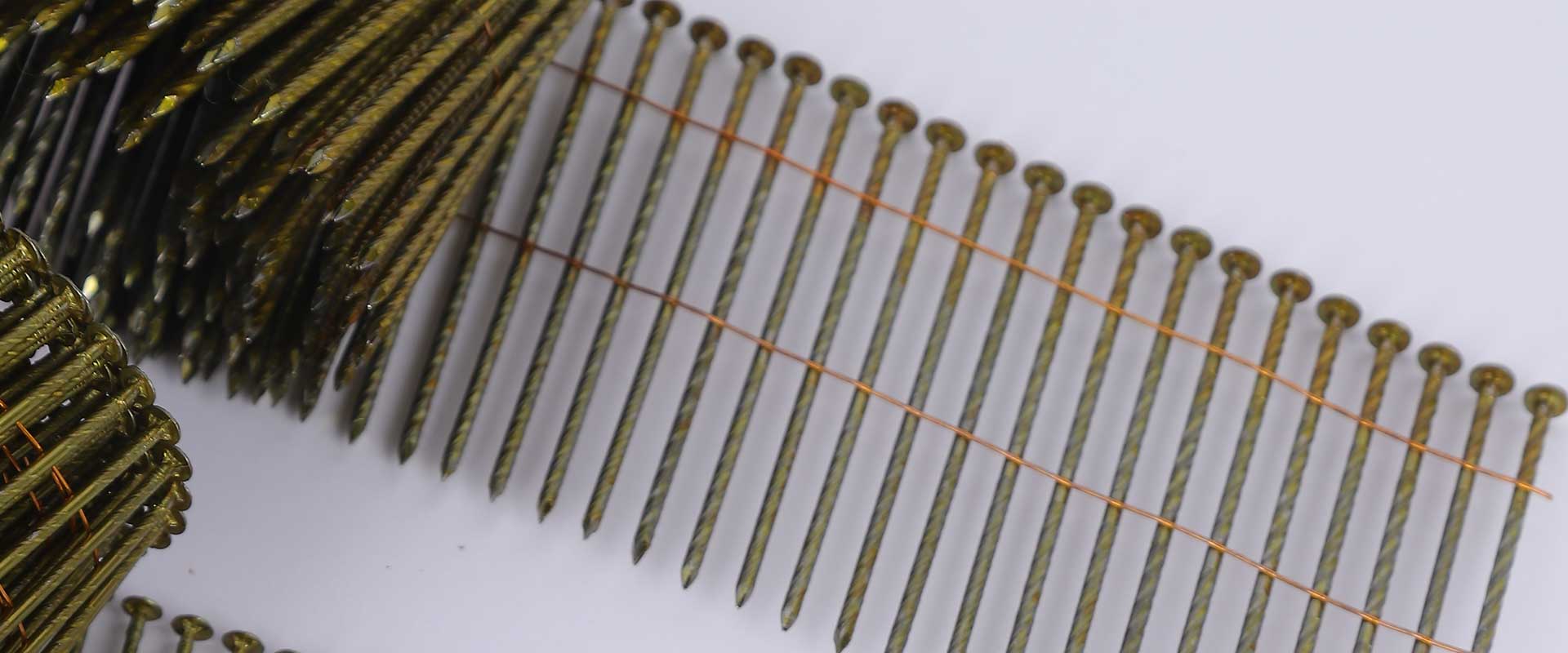
Many coil nail jams begin before the nail reaches the nose. A good coil should unwind smoothly without sharp bends, loose sections, crushed edges, or uneven wire welds. If the coil is too tight, it can resist feeding. If it is too loose, it may shift inside the magazine and present the next nail at the wrong angle.
Wire-collated nails should have consistent weld points. Plastic-collated nails should have stable strips that do not crack prematurely during handling. When inspecting samples, pull several nails through by hand and look for irregular spacing. If coil nail jams appear mostly at high speed, inconsistent spacing is often one of the first things to investigate.
| Symptom | Likely Cause | First Check |
|---|---|---|
| Double feed | Wrong collation angle or worn feed pawl | Compare nail angle with tool manual |
| Bent nail in nose | Incorrect diameter, hard substrate, or worn driver | Inspect driver blade and shank size |
| Coil stops unwinding | Damaged coil, tight winding, or dirty magazine | Test a fresh coil and clean magazine track |
| Shallow drive | Low air pressure, long hose loss, or wrong nail length | Measure pressure at the tool under load |
Review Air Pressure and Tool Maintenance
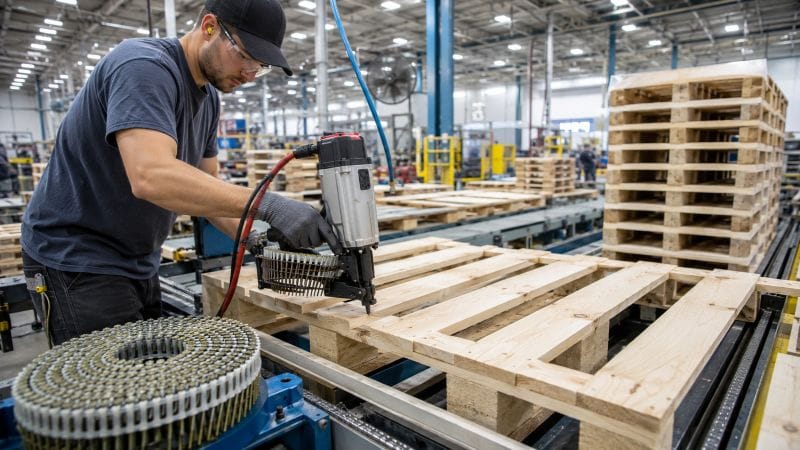
A pneumatic nailer depends on stable compressed air. The general concept is simple: compressed air powers the tool, and the tool converts that air into driving force. For a neutral technical overview, see this explanation of the pneumatic tool. In the workshop, however, pressure at the compressor is not always pressure at the nailer. Long hoses, undersized fittings, leaks, and water in the line can all make coil nail jams look like a fastener problem.
Measure pressure while the tool is cycling, not only when it is idle. Drain moisture from the air system, check lubrication requirements, and clean the nose and magazine track. Resin, wood dust, coating residue, and broken collation fragments can build up over time. A clean feed path is especially important when switching between different nail coatings or shank styles because residue-related coil nail jams can develop gradually.
Do Not Ignore Storage and Handling
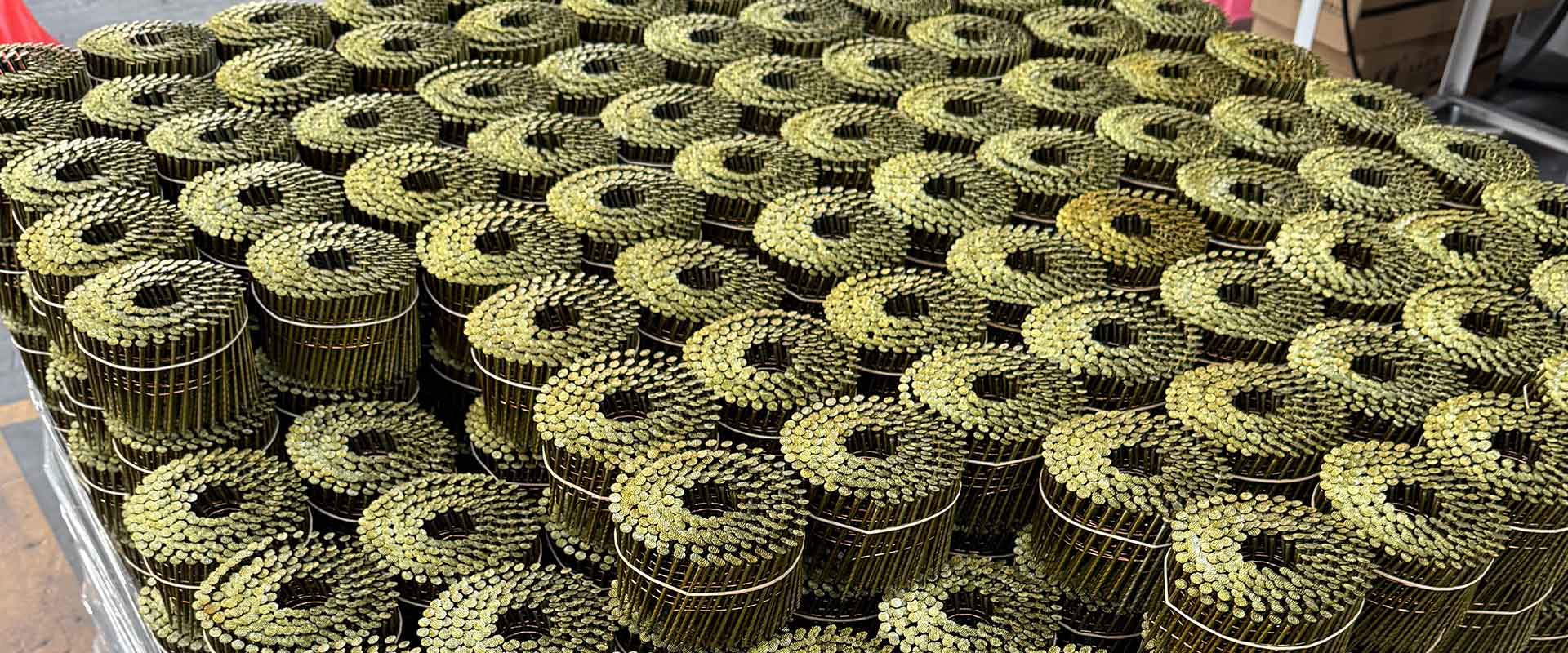
Even well-made nails can become difficult to feed after poor storage. Cartons that are dropped, compressed, or exposed to moisture may contain coils that look acceptable at first glance but have small distortions. Rust, swollen packaging, and crushed coil edges increase the risk of coil nail jams because the magazine relies on predictable movement.
Store cartons in a dry area, keep them off the floor, and avoid stacking loads in a way that deforms the coils. Open one carton from each batch before full production use. If coil nail jams start after a new shipment, compare the new coil with the previous batch for winding diameter, weld consistency, head alignment, and surface condition. Batch comparison is often the shortest route to separating shipping damage from tool wear.
How Buyers Can Reduce Jam Risk Before Ordering
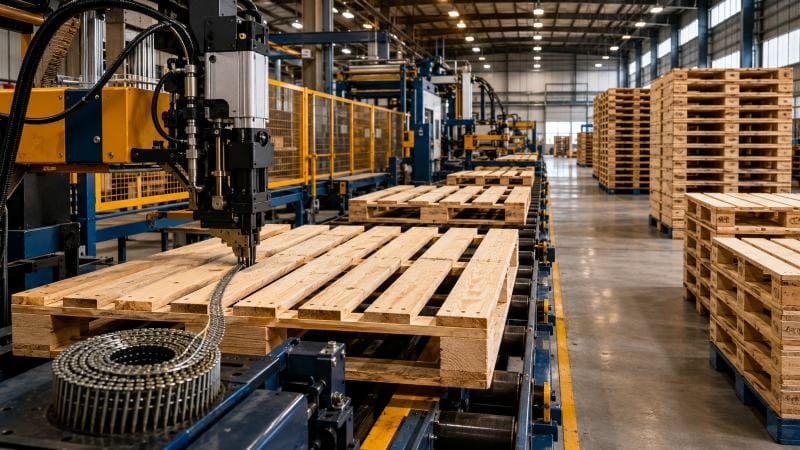
For importers, distributors, and factory buyers, the goal is not only to find nails that meet a drawing. The goal is to find nails that run consistently in real tools. Before ordering, share your nailer model, required shank type, coating, packaging preference, and application with the supplier. If you are sourcing for pallet production, start with the application requirements described on our nail applications page and match them with the right coil format.
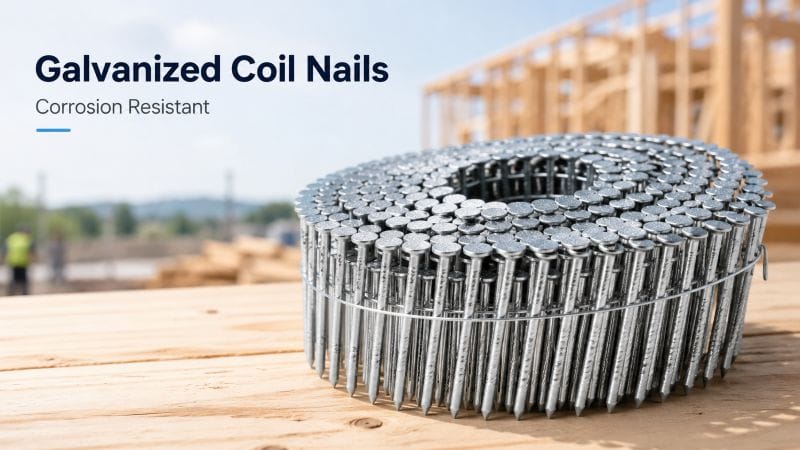
When evaluating samples, run them through normal production conditions instead of a short bench test. Track coil nail jams per carton, not only per shift, so you can identify batch-level patterns. For coated products, check that the coating supports the work environment without creating excessive residue in the tool. You can also review our coated coil nails page for a starting point when comparing corrosion resistance and industrial use cases.
Packaging also deserves attention. Strong cartons, stable internal wrapping, and clear batch labels make it easier to prevent coil nail jams during transportation and trace any issue that does appear after delivery.
A Practical Troubleshooting Sequence
Use a controlled process instead of changing several variables at once. First, install a fresh coil from the same carton. If the issue continues, try a coil from another carton in the same batch. Next, clean the magazine and nose, then verify pressure at the tool while firing. After that, inspect the driver blade, feed pawl, nose plate, and magazine spring. If coil nail jams remain, test a sample from another production batch or another specification that is confirmed to fit the tool.
Document the result of each step. A small log can show whether the issue follows the nailer, the operator, the carton, or the nail specification. This is useful when communicating with a supplier because it turns a general complaint into actionable evidence. Clear notes also prevent recurring coil nail jams from being dismissed as random operator error.
If two operators see the same pattern on different tools, treat the coil nail jams as a process signal rather than an isolated tool complaint. That mindset helps maintenance teams fix coil nail jams with evidence instead of guesswork.
Final Takeaway
Most coil nail jams can be traced to specification mismatch, unstable collation, poor storage, dirty feed components, or inconsistent air delivery. The best prevention is a combination of correct nail selection, supplier communication, sample testing, and routine tool care. If you need a coil format for pallet, fencing, roofing, crating, or other industrial fastening work, review our metal nail products and confirm the technical details before moving into bulk purchasing. This approach reduces coil nail jams while helping buyers choose nails that fit real production conditions.