Table of Contents
Coil nail traceability can break at an ordinary warehouse task: opening a carton to fill a smaller order. The remaining coils look familiar, the empty box goes into recycling, and the supplier lot disappears with its label. Weeks later, a feeding complaint arrives, but nobody can establish which other cartons came from the same batch.
The solution is to preserve the link between the original lot, every replacement container, and each destination. This guide sets out a practical coil nail traceability workflow for distributors and industrial buyers handling partial quantities. It is a recordkeeping recommendation, not a claim that a particular supplier operates a certified tracking system.
Separate Product, Lot, and Container Identity
Coil nail traceability starts with three different identifiers. A product code identifies the ordered specification. A supplier lot identifies a batch according to the supplier’s own definition. A carton or bin identifier identifies a physical container in your warehouse. Using the product code for all three loses the distinction between separate deliveries of identical nails.
Ask the supplier what its lot code represents and where that code appears. Do not assume that a packing date identifies a manufacturing batch. Coil nail traceability should retain the supplier name and product reference alongside the exact lot value, including leading zeros, so similar codes from different sources do not become confused.
For shipments using GS1 identification, GS1 US explains that an SSCC identifies a logistics unit, such as a pallet. That is not the same job as identifying the manufacturing lot. Your receiving record still needs to connect the shipping unit with its contents; a pallet identifier alone does not preserve coil nail traceability after its cartons are separated.
Capture the Original Label Before Opening
At receipt, compare the carton markings, packing list, and purchase order. Your coil nail traceability record needs the supplier, product reference, lot, received quantity and unit, receiving date, and storage location. Give containers a unique internal identity where the supplier label does not distinguish them. Keep a readable label photograph linked to the record, not in an unsearchable collection of phone images.
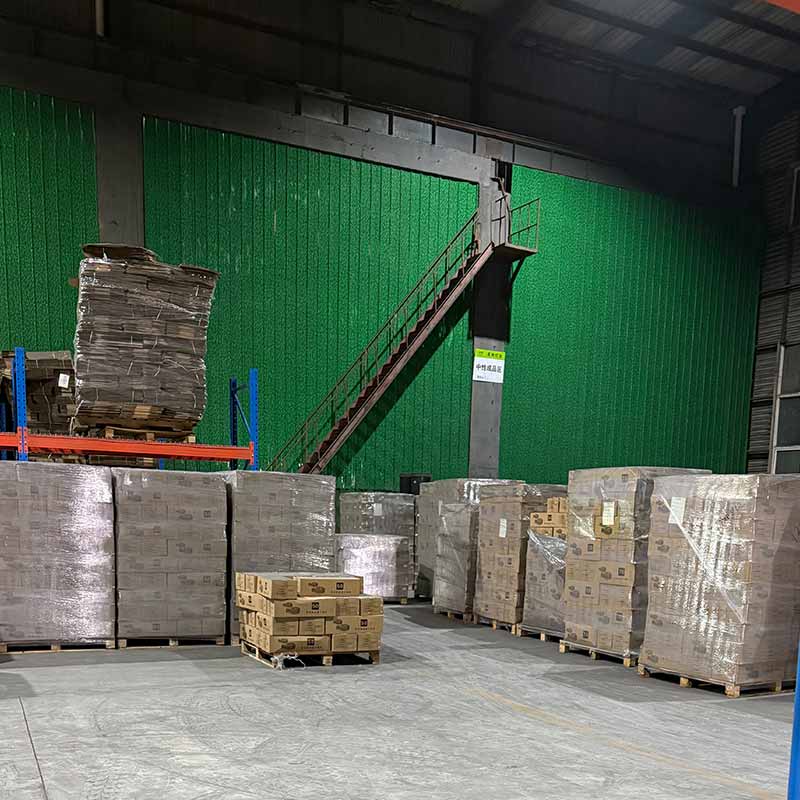
If the outer pallet and inner cartons show conflicting lot information, pause the allocation and ask for clarification. In coil nail traceability, an explicit unknown is more useful than a guessed batch. Keep unidentified material apart from identified stock while the discrepancy is reviewed.
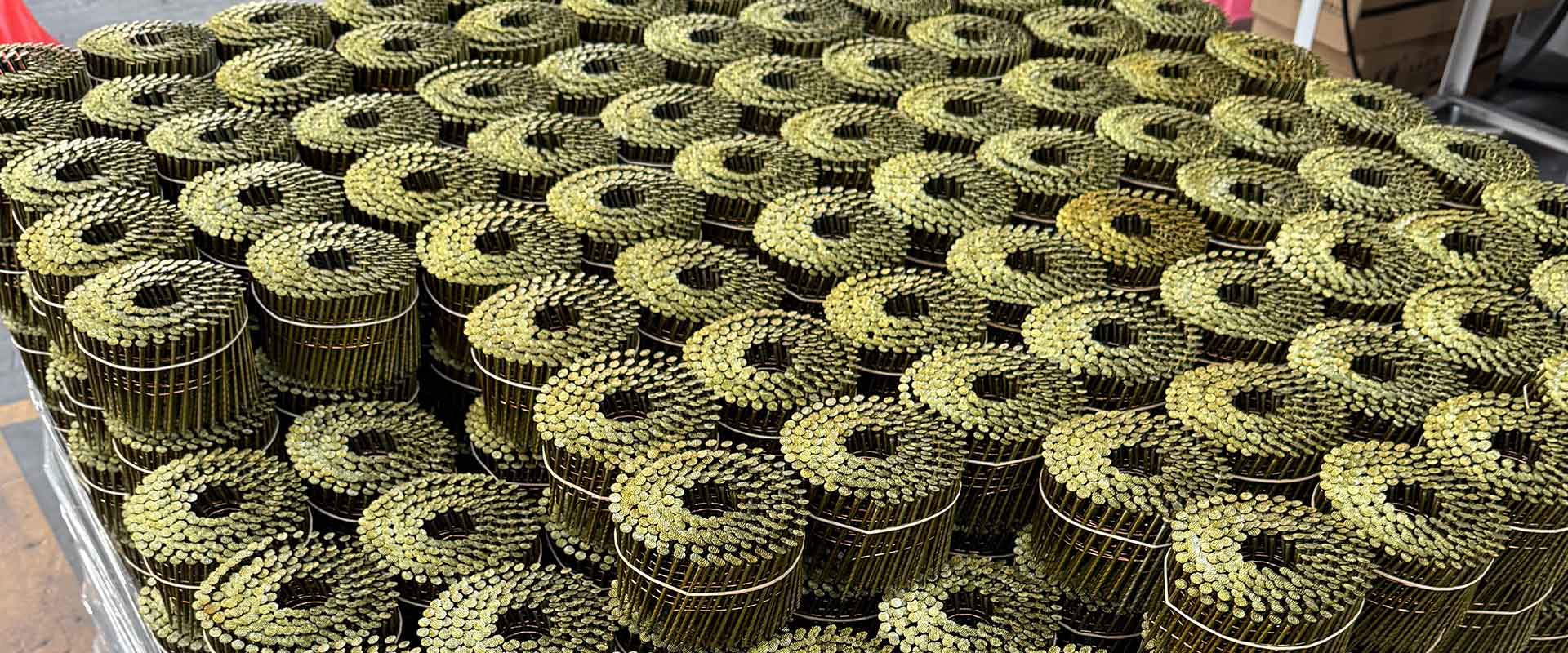
Physical protection remains a separate requirement. The export carton and pallet packaging guide addresses that side of receiving. A sound carton can have incomplete records, while a well-documented carton can still contain damaged coils; check both without treating one as proof of the other.
Record Every Split Into New Containers
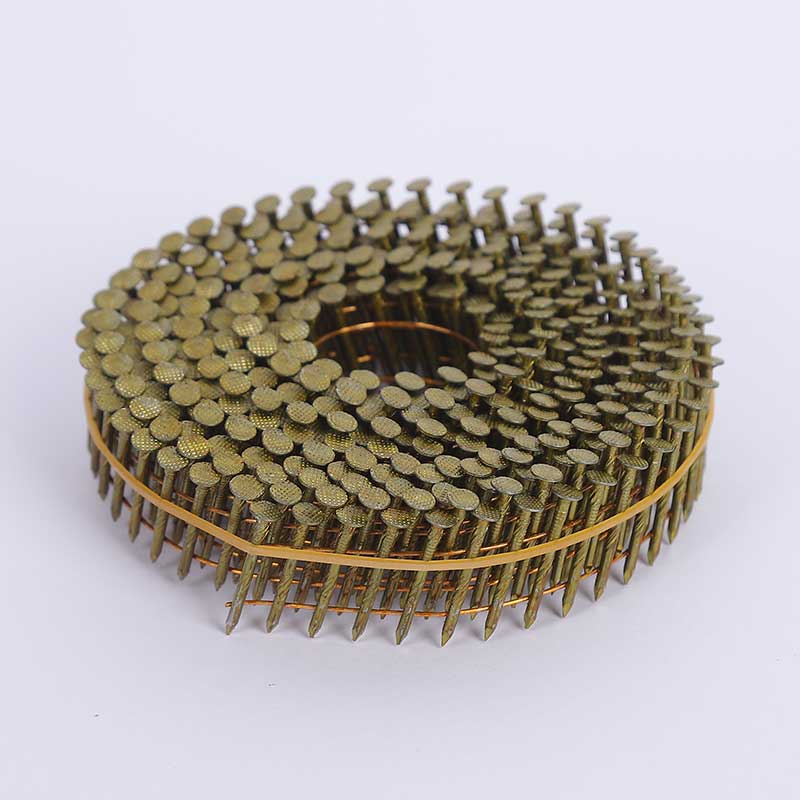
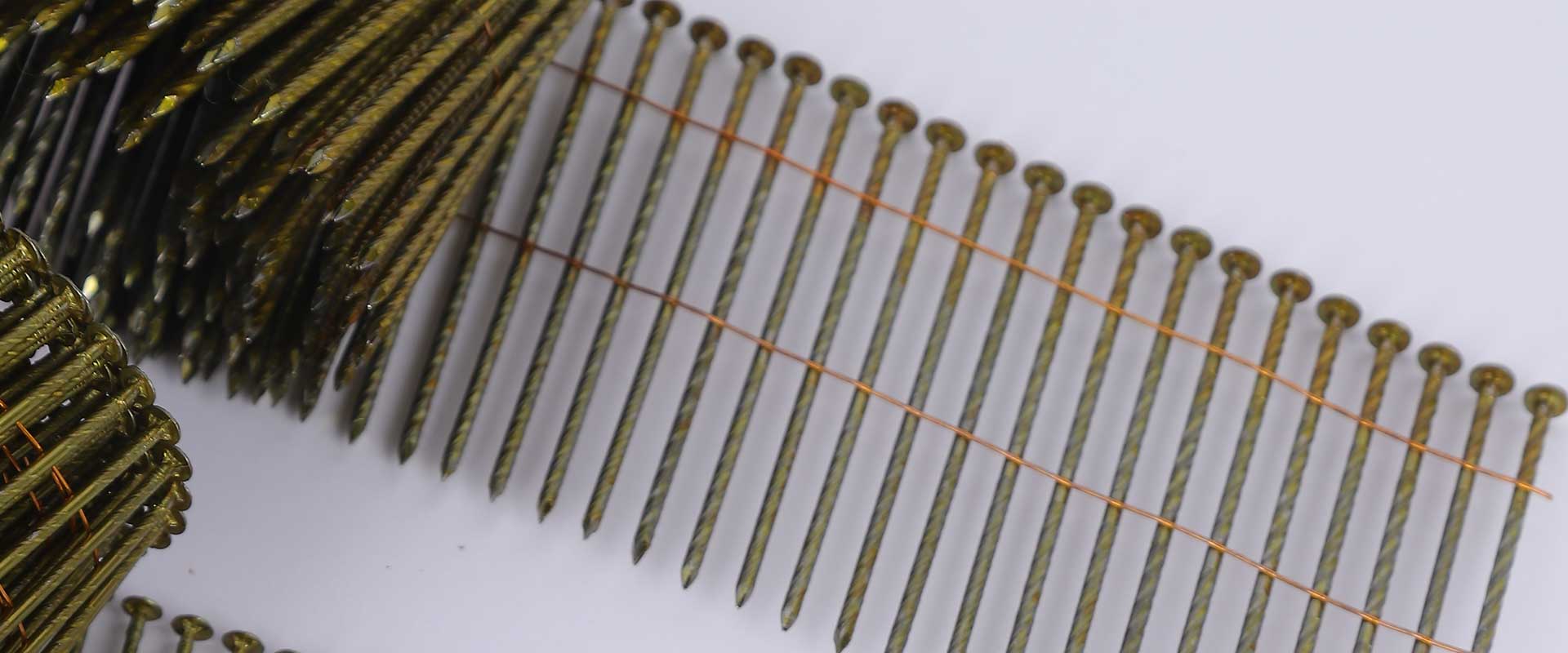
Before transferring coils, create an entry connecting the source container to each destination container. Carry forward the original product and supplier lot, then record the quantity moved, its unit, the date, and the operator. Apply the destination label before the new carton leaves the packing station. This is the central transaction in coil nail traceability during repacking.
The following fictional example illustrates the relationship only. Supplier A’s carton C10 contains 12 full coils from lot L17. Staff transfer five coils to R21 and seven to R22. These are illustrative internal identifiers, not GS1 codes or evidence of an actual shipment.
| Original container | New container | Supplier lot | Transferred quantity |
|---|---|---|---|
| C10 | R21 | Supplier A / L17 | 5 full coils |
| C10 | R22 | Supplier A / L17 | 7 full coils |
After the transfer, C10 has no stock remaining, but its record stays available. R21 and R22 now hold the 12 coils between them. Do not count the transfer as an additional receipt or leave all 12 coils available under C10. Coil nail traceability needs both the historical relationship and an accurate current balance.
Quantity units matter in coil nail traceability. A coil count is not a nail count unless the relevant packing quantity is established; an opened or partly used coil needs a clearly defined quantity basis. Record that exception instead of rounding it up to a full coil. Retain the original label evidence after the physical carton is discarded.
Keep Different Lots Separate When Possible
Combining visually identical coils from two lots makes later investigation harder. Prefer separate containers and picking locations when practical. If consolidation is necessary, coil nail traceability requires the new container to retain links to every contributing source lot and the quantity from each, not just whichever label was easiest to copy.
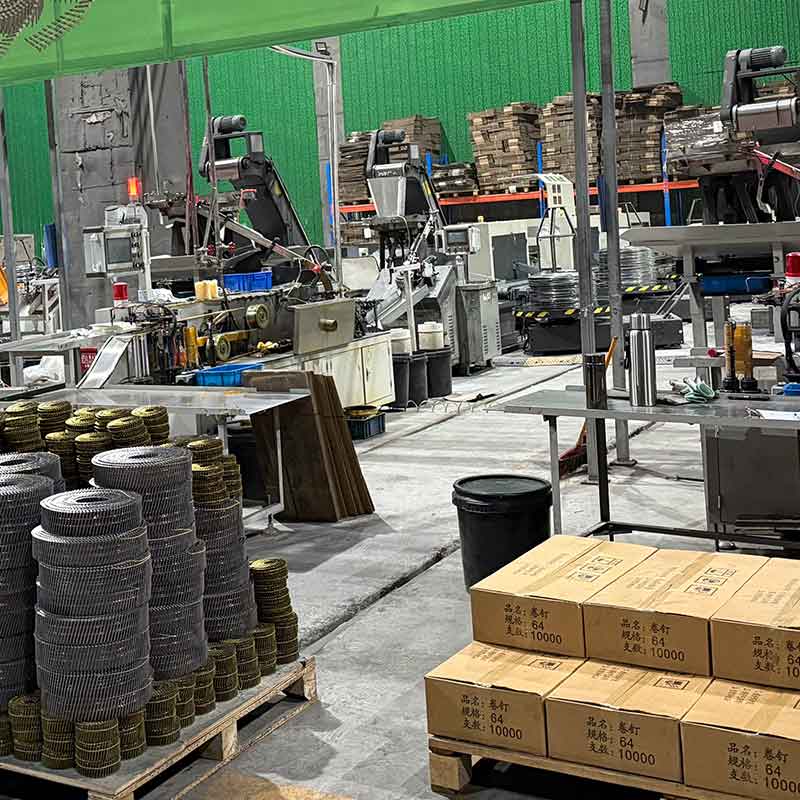
A new internal repacking number does not turn mixed stock into a single original manufacturing lot. If individual coils can no longer be distinguished by source, do not claim that a later partial dispatch contains only one of those lots. Record the uncertainty and include all potentially contributing lots when assessing its scope.
Never recover a missing lot by matching color, shank pattern, or carton style alone. Those observations may help identify a product family, but they do not reconstruct the lost history. A useful coil nail traceability record makes its limits visible instead of hiding them behind a freshly printed label.
Link Dispatches, Returns, and Stock Holds
For every partial issue, record which container supplied the goods, the quantity and unit, and the customer order or internal production reference. If R21 supplies two orders, keep both transactions. Coil nail traceability should let an investigator find the remaining stock and the destinations already supplied, without relying on a picker’s memory.
Treat a return as a separate event linked to the original dispatch where evidence supports that link. Retain its inspection status and location. Loose returned coils without reliable identity should not be silently assigned to the nearest matching carton. Similarly, a stock hold needs a recorded reason and release decision; moving a box to another shelf is not enough.
Test What the Barcode Actually Captures
A barcode can help, but it does not replace the underlying records. GS1 US describes GS1-128 barcodes as capable of carrying information such as batch or lot numbers. Whether your warehouse software actually saves that information is a separate question for coil nail traceability.
Scan a sample label through the normal receiving process and inspect the saved fields. Compare the product, lot, and container values with the human-readable label, including punctuation and leading zeros. If the system captures only the product code, agree how staff will capture the lot before depending on that scan for coil nail traceability.
Check Coil Nail Traceability Before a Complaint Arrives
Test coil nail traceability in both directions. Start with a dispatched replacement carton and find its source lot and receipt. Then start with that lot and locate all remaining containers, dispatched quantities, returns, and recorded losses. Reconcile quantities in the same unit without counting an internal transfer as new stock.
Assign an owner for coil nail traceability to resolve missing links. Preserve the original value, correction, reason, and date when a record changes. Set retention and access rules around applicable obligations and customer agreements rather than inventing a universal retention period. A spreadsheet can support a small operation, but only if the transactions remain complete and retrievable.
When discussing Yizhengyu’s coated coil nail range, request sample carton markings and clarify which batch records are available for the proposed order. Agree the handoff before shipment. Coil nail traceability records where material came from and went; it does not by itself establish coating performance, fastening strength, or a link to a particular steel heat.
FAQ
What is the minimum record for coil nail traceability after repacking?
Keep the supplier and product identity, original lot, source and destination container identifiers, transferred quantity and unit, date, and responsible operator. Link later issues to those destination containers.
Can I discard the original carton?
For coil nail traceability, preserve its identity and label evidence and link them to the replacement containers before disposal. Follow your records procedure; keeping the empty box is not a substitute for recording the transfer.
Can one new carton contain more than one lot?
It can, but the record must identify all contributing lots and quantities. When coils cannot be distinguished afterward, a partial dispatch may need to be associated with every potentially contributing lot. Separate containers are simpler.
Does a barcode automatically provide coil nail traceability?
No. The relevant information must be captured, saved, and connected to warehouse transactions. Test the actual receiving and dispatch workflow rather than assuming a successful scan recorded the lot.
Does coil nail traceability prove the nails meet the specification?
No. Identity records support investigation and document matching, but acceptance still depends on the agreed specification and relevant inspection or test evidence. A lot code is not a performance certificate.