Table of Contents
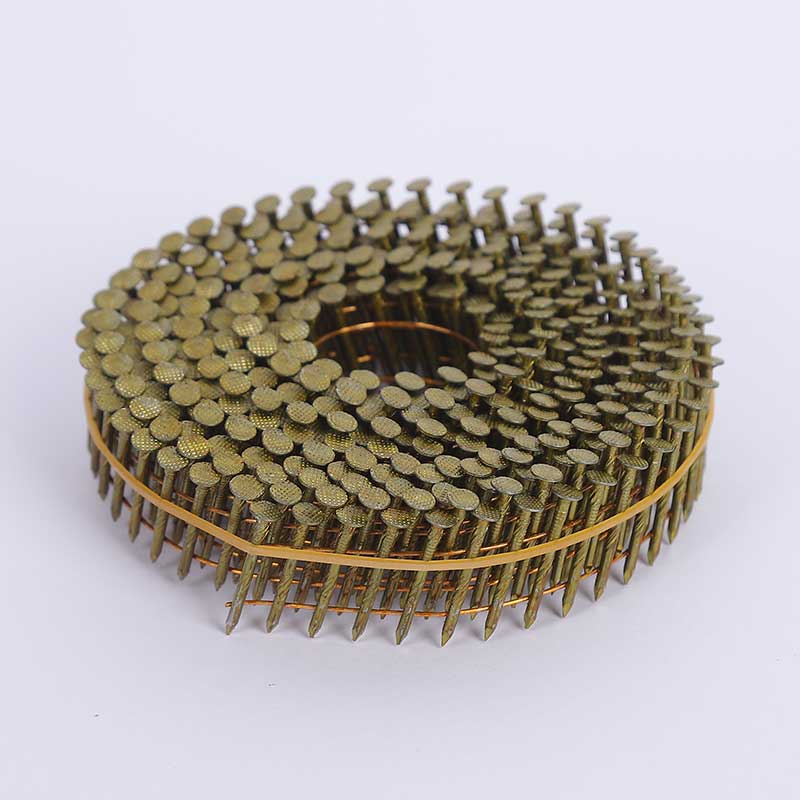
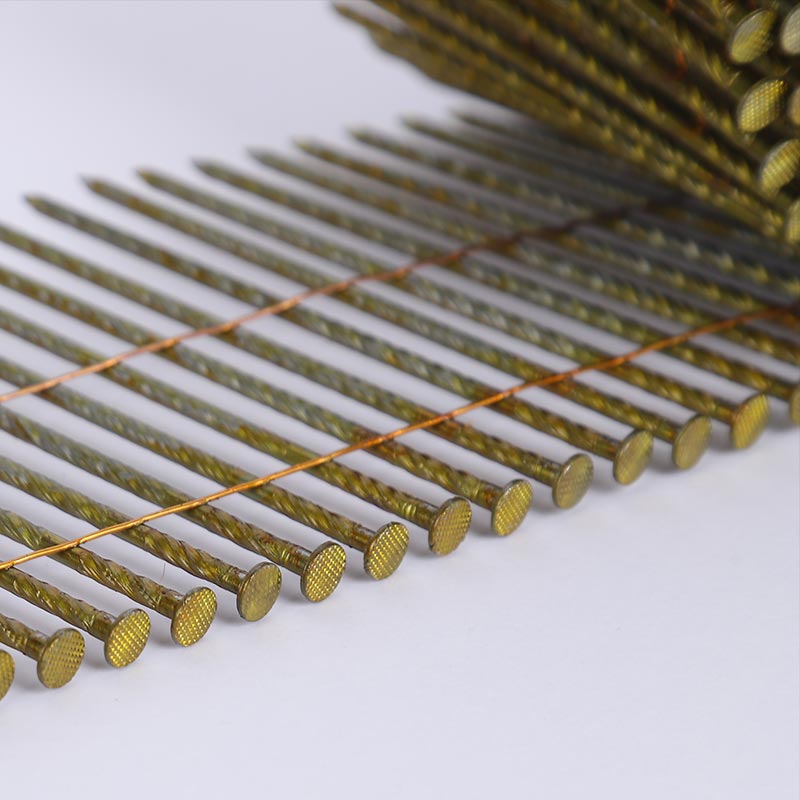
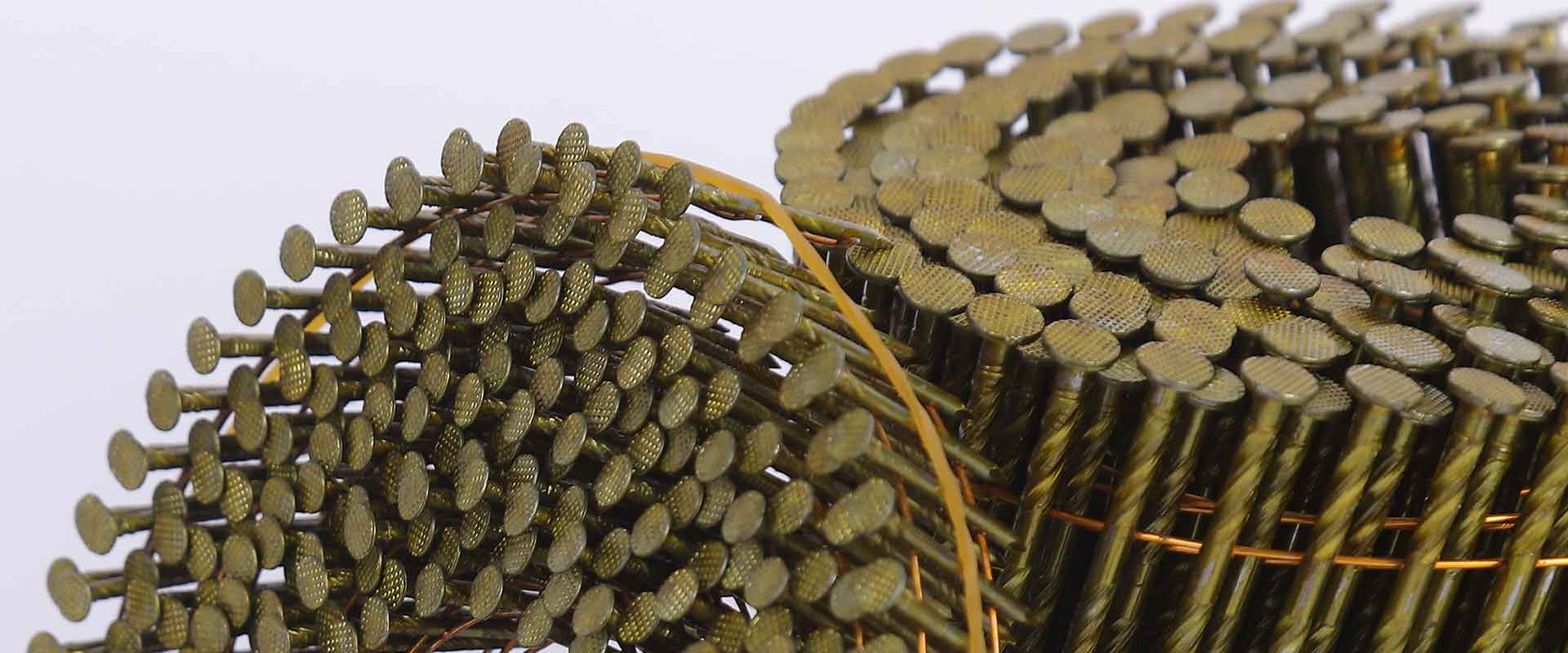
Coil nail points are a small detail that can decide whether a fastening job runs smoothly or turns into split boards, shallow drives, and avoidable downtime. Buyers often compare nail length, shank style, and coating first, but the point is what makes first contact with the wood. Choosing the right point helps the nail enter cleanly, keeps the tool working consistently, and protects finished material. Ask for the same coil nail points to be tested with the nailer model used on the production line.
This guide is written for purchasing teams, distributors, pallet shops, fencing contractors, and production managers who need practical selection criteria. It explains how coil nail points work, where each point style fits, and what to confirm before placing a repeat order.
Why Point Style Matters in Coil Nails
The point controls how the fastener starts its path into the wood. A sharp point may enter quickly, while a blunter point can reduce splitting in certain materials. In high-volume work, coil nail points also affect tool rhythm. If the point struggles to start cleanly, the operator may see proud heads, bending, surface damage, or irregular depth.
Point choice is especially important when the application involves dry lumber, thin boards, pallet deck boards, fence pickets, crates, or trim pieces near an edge. These jobs do not always need the same point. The best choice depends on wood density, board thickness, edge distance, and the holding strength required after installation.
Common Point Types and Practical Uses
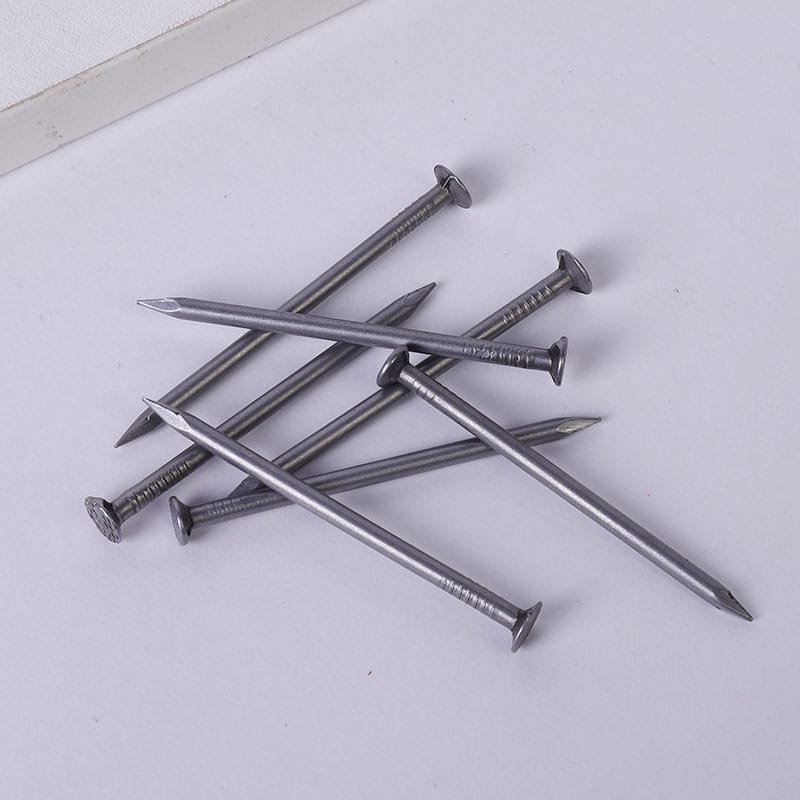
The most common coil nail points include diamond points, chisel points, and blunt or reduced points. A diamond point is widely used because it starts easily in general wood fastening. It is a practical option for pallets, crates, sheathing, and many framing-related uses where fast penetration matters.
Chisel-style coil nail points can help guide the fastener in a more controlled direction, but the result depends on the material and nail design. A blunt or reduced point may be selected when splitting is the main concern. It can push fibers apart differently and may be useful in thin or brittle wood, although it can require more drive energy than a sharper point.
| Point Type | Best Fit | Buyer Check |
|---|---|---|
| Diamond point | General wood fastening and fast driving | Confirm penetration and surface finish |
| Chisel point | Controlled entry in selected wood uses | Test direction and splitting risk |
| Blunt point | Thin, dry, or split-prone boards | Check drive power and holding result |
How to Match Point Style with Wood Conditions
Wood condition should guide the decision. Softer construction lumber usually accepts sharp coil nail points without trouble. Dense hardwood, dry deck boards, or thin packaging lumber may behave differently. A nail that performs well in one board can split another if the point, shank, and head are not matched to the material.
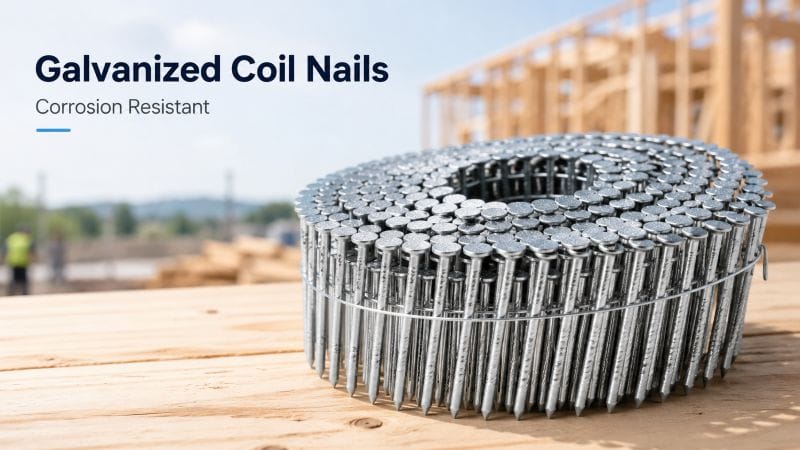
For dry boards, ask for sample testing near realistic edge distances. For green or softer wood, check whether the nail drives to the correct depth without over-penetrating. For treated or outdoor material, review point style together with coating, because corrosion protection and drive performance should be selected as one specification.
Tool Compatibility and Production Speed
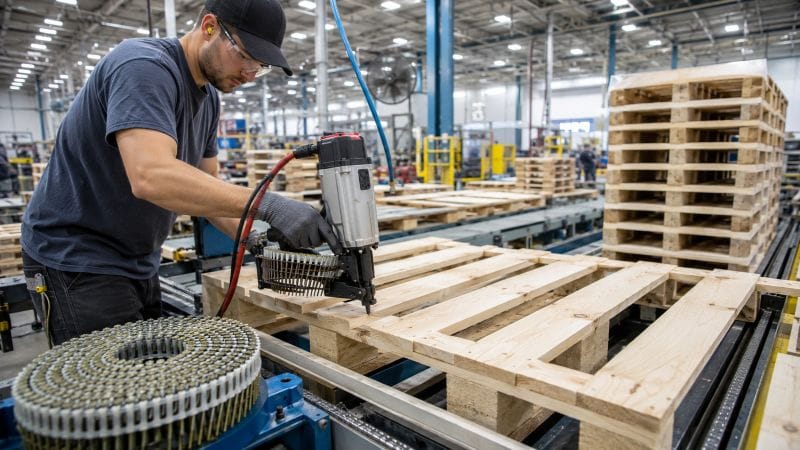
A point style should never be selected separately from the nailer. Pneumatic tools have limits for nail length, shank diameter, collation angle, and magazine design. If coil nail points are too difficult for the material, the tool may need higher pressure, which can increase wear or cause inconsistent depth. If they are too aggressive for the workpiece, splitting and surface damage may increase.
Before approving a bulk order, run a short production-style test. Use the actual nailer, air pressure range, material thickness, and operator pace. Record feed stability, drive depth, head seating, board splitting, and any jams. This creates a clear basis for approval instead of relying only on a catalog description.
Specification Details Buyers Should Confirm
A reliable order should state the nail length, wire diameter, head style, shank type, coating, collation type, collation angle, quantity per coil, and carton packing. The point style belongs in the same specification line. If the point is not written clearly, a repeat shipment may arrive with a similar-looking but different product.
For importers and distributors, consistent documentation reduces customer disputes. It also helps sales teams explain why one coil nail is suited for pallet repair while another is better for fencing, crates, or outdoor fastening. Clear coil nail points documentation makes reordering easier and protects margin by reducing returns.
Quality Inspection Before Shipment
Inspection should include visual checks and functional checks. Visually, confirm that coil nail points are cleanly formed, centered, and free from heavy burrs or deformation. Functionally, drive sample nails into the target material and check whether the point starts straight, avoids bending, and produces the expected holding result.
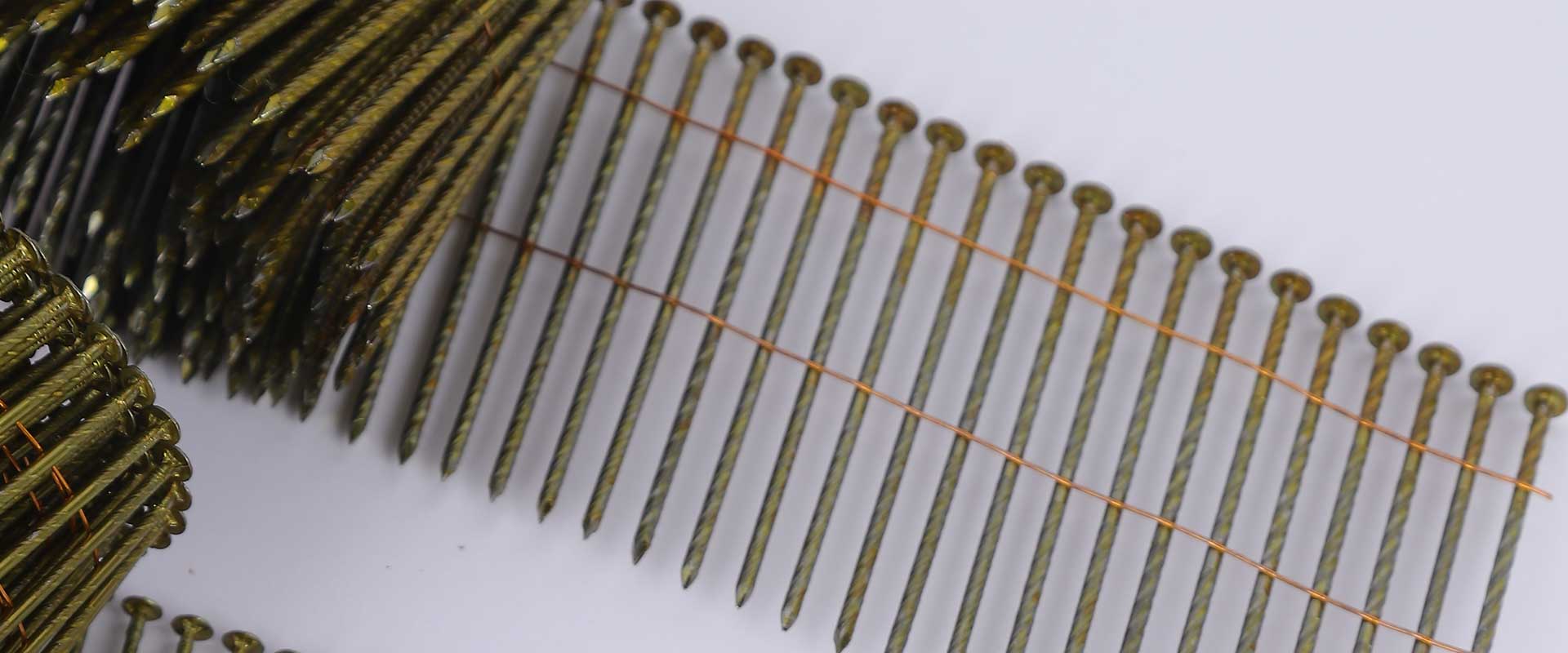
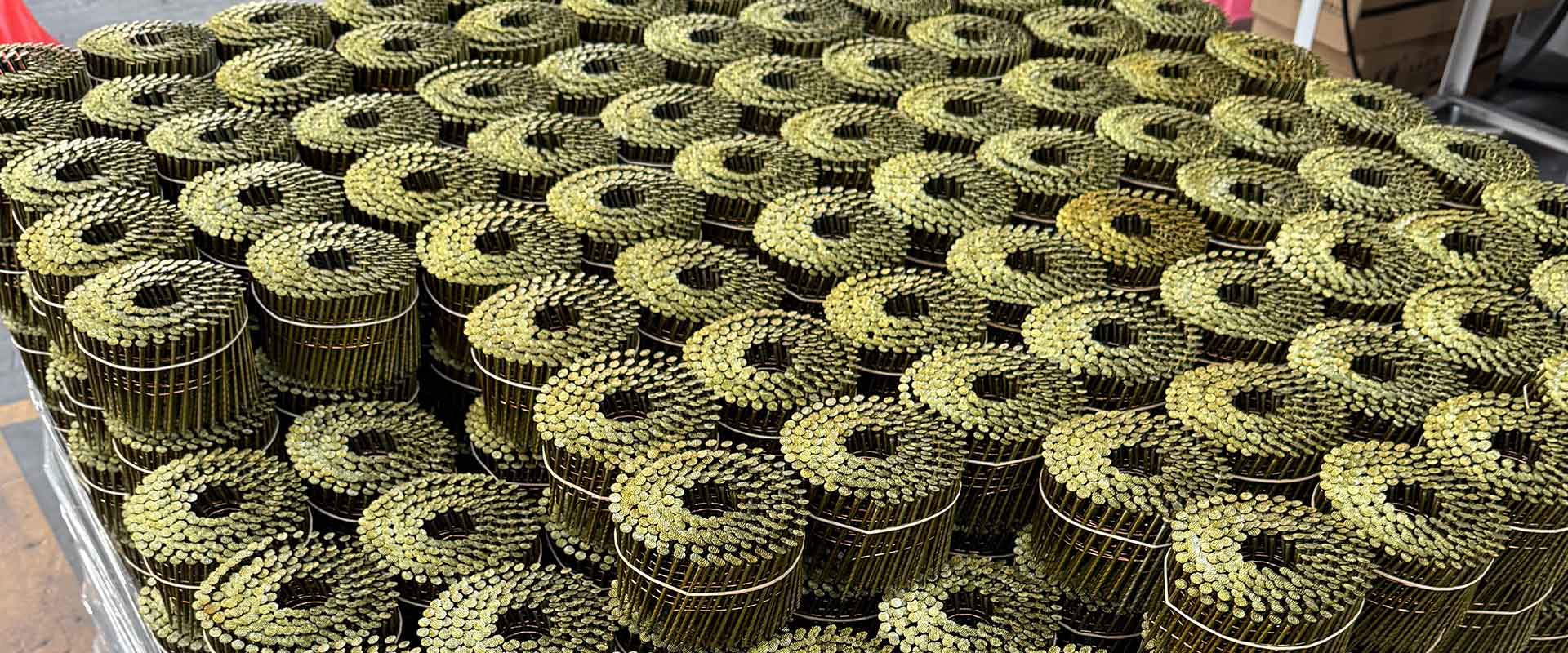
Coil shape and collation quality should also be inspected. Even the right point cannot solve poor feeding caused by damaged wire collation or compressed coils. Buyers should examine carton condition, label accuracy, moisture protection, and batch identification before accepting a large delivery.
Final Selection Advice
The safest approach is to select coil nail points by application, not by habit. Start with the wood type, board thickness, edge distance, tool model, and required holding strength. Then test two or three candidate specifications before confirming a bulk order.
For related fastener options, review our metal nail products and compare application needs with coated coil nails. For general background on nail fasteners, the nail fastener overview is a useful reference. A documented, tested choice gives buyers better control over performance, repeat orders, and customer expectations.
Final Inspection Notes for Coil Nail Points
Before confirming a bulk order, ask the supplier to show clear photos of coil nail points from different cartons, not only from one sample strip. Consistent coil nail points should line up cleanly in the collation, enter the wood without bending, and leave no visible burrs that could catch in the nose of a pneumatic nailer. If the project involves recycled pallet boards, dense fencing lumber, or mixed hardwood, test coil nail points in the actual material instead of relying only on a catalog description. This simple check helps buyers match coil nail points to the fastening task while reducing splitting, jams, and avoidable rejection during incoming inspection.