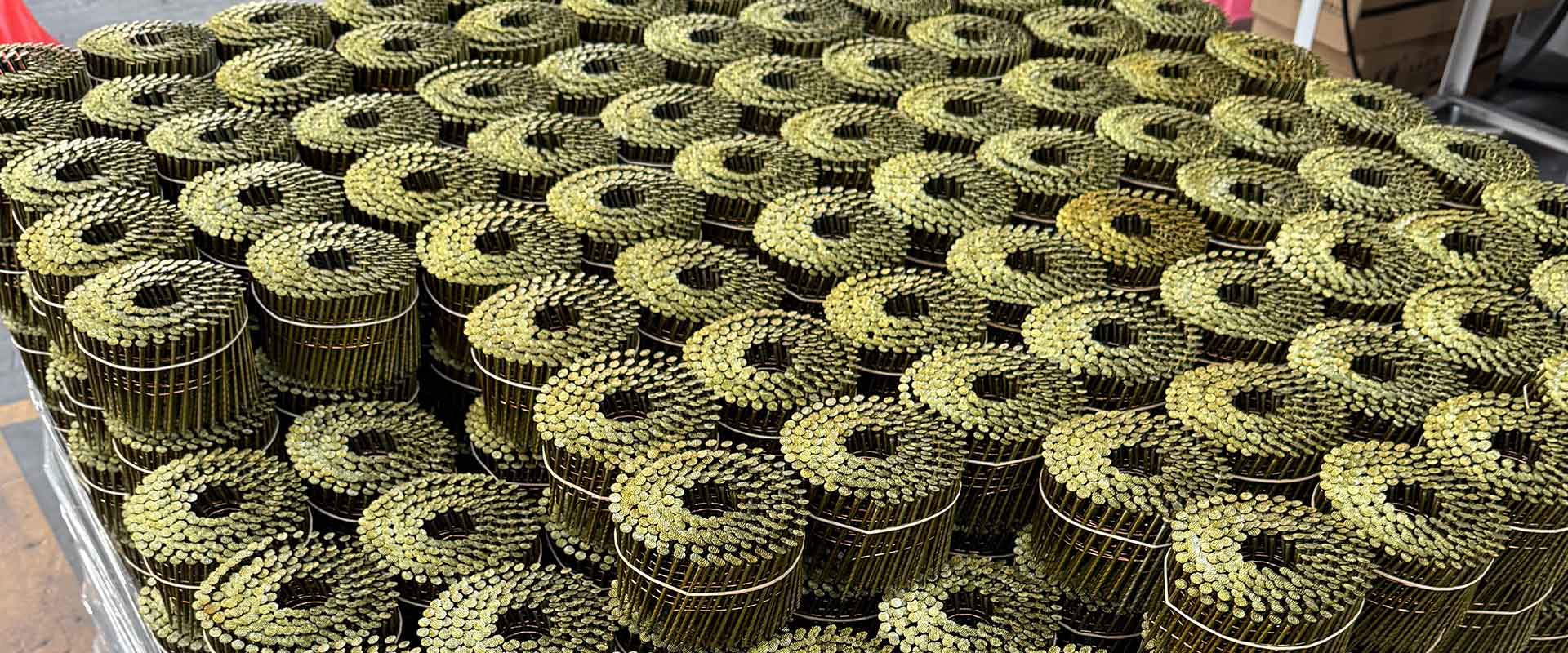
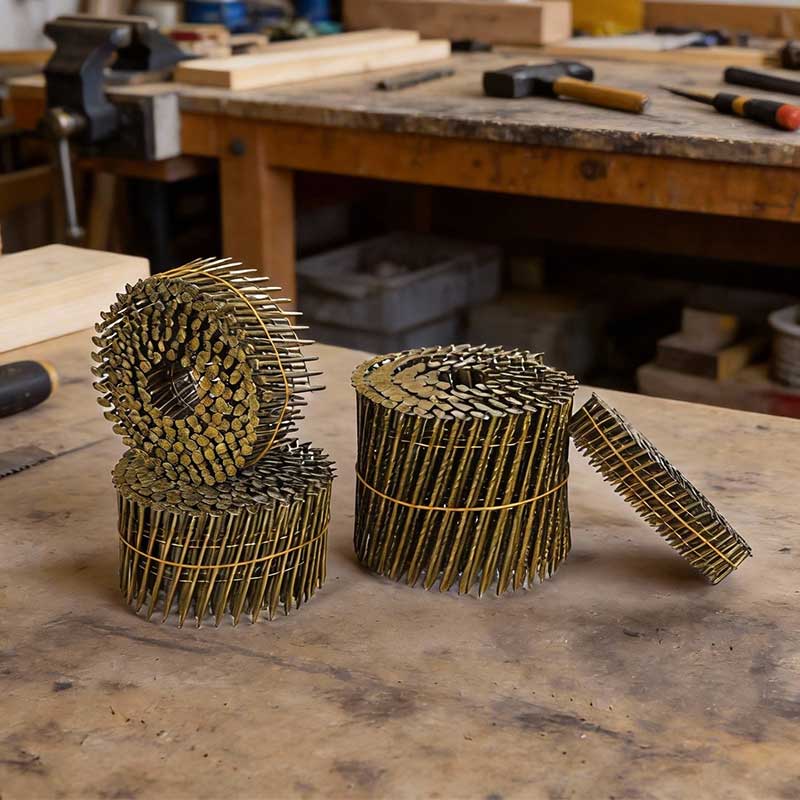
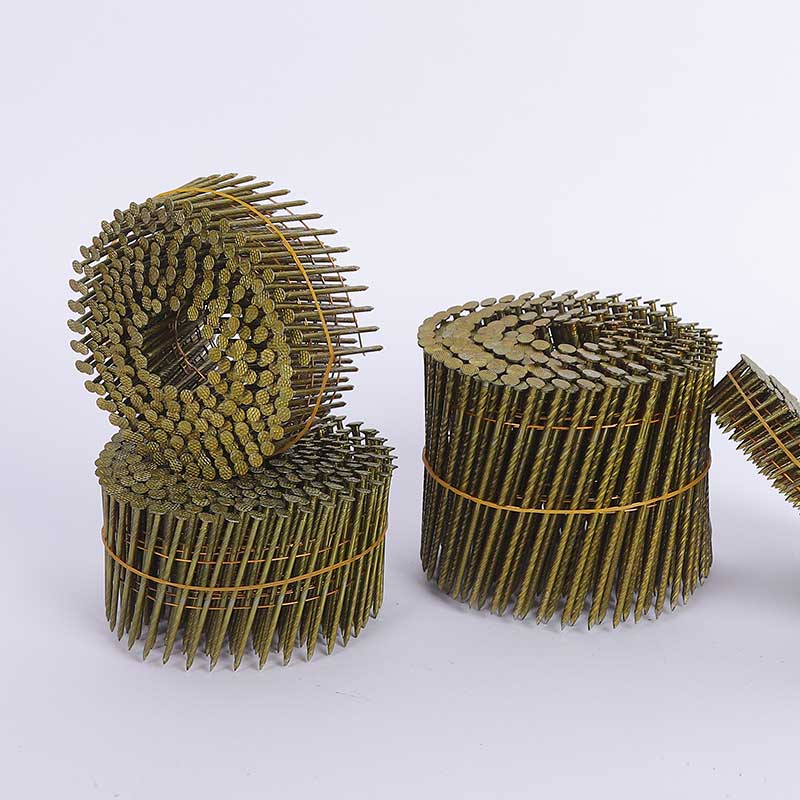
Roofing projects require nails that are strong, durable, and corrosion-resistant. Choosing the right coil nails for roofing ensures long-lasting protection, safety, and overall project quality. This guide covers the types, sizes, coatings, and selection tips for roofing coil nails, helping contractors, distributors, and importers make informed decisions.
Table of Contents
Why Coil Nails Are Essential for Roofing
Fast and Efficient Installation
Coil nails are designed for use with pneumatic nail guns, allowing rapid installation of roofing materials such as shingles, metal sheets, and decking. Using coil nails increases efficiency, reduces labor costs, and ensures consistent fastening.
Strong Holding Power
Roofing nails must resist wind uplift, vibrations, and environmental conditions. Coil nails provide consistent penetration and strong holding, making them ideal for high-stress applications.
Corrosion Resistance
Roofing is exposed to rain, humidity, and varying temperatures. Coil nails with appropriate coatings help prevent rust, extending the life of the roof and minimizing maintenance costs.
Types of Coil Nails for Roofing
Smooth Shank Coil Nails
Smooth shank nails are easy to drive and suitable for light-duty roofing projects. They are typically used with softwood shingles or temporary structures. However, they offer lower resistance to pull-out compared to ring or screw shank nails.
Ring Shank Coil Nails
Ring shank nails have circular ridges along the shank, which significantly increase holding power. They are ideal for permanent roofing installations, resisting loosening due to wind or vibrations.
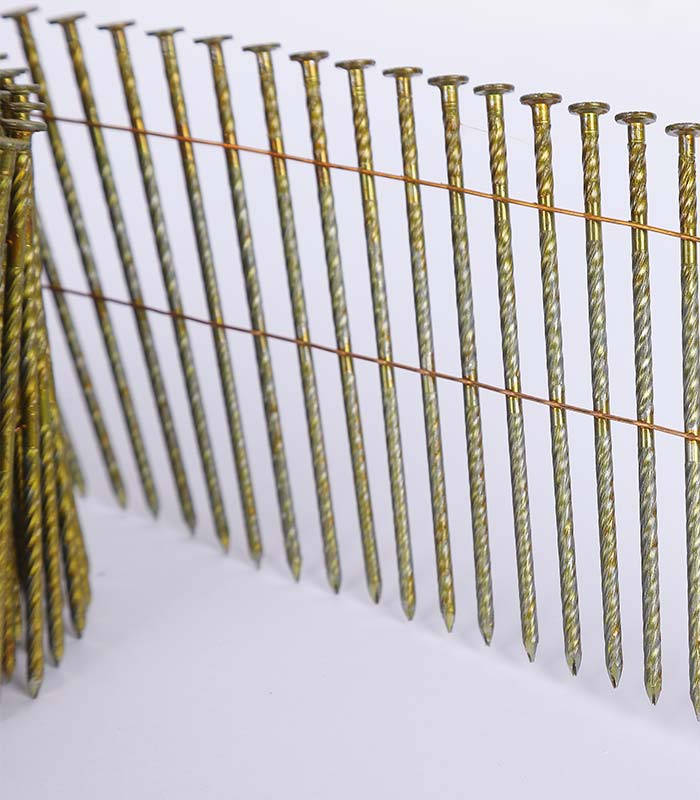
Screw Shank Coil Nails
Screw shank nails provide maximum holding strength. Their spiral design allows them to lock tightly into the substrate. These nails are often used in metal roofing or heavy-duty applications where strong adhesion is essential.
Common Sizes for Roofing Coil Nails
The right nail size ensures proper penetration without damaging roofing materials.
| Nail Type | Length Range | Diameter Range | Recommended Use |
|---|---|---|---|
| Smooth Shank | 25mm – 45mm | 2.1mm – 2.5mm | Light roofing, softwood |
| Ring Shank | 30mm – 60mm | 2.5mm – 3.0mm | Standard shingles, plywood |
| Screw Shank | 35mm – 70mm | 2.8mm – 3.3mm | Metal roofing, heavy-duty |
Surface Coatings for Roofing Coil Nails
Bright Finish
Bright nails are uncoated and suitable for indoor or temporary roofing projects. They are inexpensive but prone to rust in outdoor conditions.
Galvanized Nails
Electro-galvanized nails are suitable for moderate outdoor exposure. They resist corrosion better than bright nails and are commonly used for residential roofing.
Hot-Dip Galvanized Nails
Hot-dip galvanized nails have a thicker zinc coating, providing excellent corrosion resistance. They are recommended for coastal areas, high-humidity climates, and long-lasting roofing applications.
Stainless Steel Nails
Stainless steel nails offer maximum corrosion resistance and durability. They are ideal for extreme environments but come at a higher cost.
How to Choose the Right Coil Nails for Roofing
Match Nails to Roofing Material
Different materials require different nail specifications:
- Asphalt shingles: ring shank or screw shank, 30–45mm
- Metal sheets: screw shank, 35–70mm
- Wood shingles: smooth or ring shank, 25–50mm
Consider Environmental Conditions
High-humidity areas or regions with heavy rainfall require nails with strong corrosion protection. Hot-dip galvanized or stainless steel nails are preferred.
Check Nail Gun Compatibility
Ensure your selected coil nails match the pneumatic nail gun’s gauge and coil type. Incorrect nail size can cause misfires, incomplete penetration, or material damage.
Quantity and Packaging
Bulk roofing projects often require coil nails in large quantities. Selecting suppliers who offer proper packaging reduces handling time and prevents damage during transport.
Advantages of Using Quality Roofing Coil Nails
- Stronger roof structure and resistance to wind uplift
- Reduced maintenance and replacement costs
- Faster installation and lower labor costs
- Consistent quality across batches
Common Mistakes in Selecting Roofing Coil Nails
- Choosing nails without considering material compatibility
- Ignoring environmental conditions leading to rust or failure
- Focusing only on price instead of performance and longevity
- Not verifying supplier reliability or quality control
Supplier Selection Tips for Bulk Roofing Coil Nails
- Evaluate production capacity and equipment
- Check quality control and inspection procedures
- Request samples before placing bulk orders
- Confirm export experience for international buyers
- Review customer feedback and case studies
Cost Factors for Roofing Coil Nails
| Factor | Impact on Price |
|---|---|
| Nail material | Stainless steel > hot-dip > galvanized > bright |
| Nail size | Longer and thicker nails cost more |
| Coating type | Corrosion-resistant coatings increase cost |
| Order quantity | Larger orders reduce unit price |
| Packaging requirements | Custom packaging increases cost |
Long-Term Benefits of Partnering with Reliable Manufacturers
A dependable manufacturer ensures consistent quality, on-time delivery, and technical support. Over time, this reduces risk, improves project efficiency, and strengthens your supply chain.
Conclusion
Selecting the right coil nails for roofing is essential for project safety, longevity, and cost efficiency. Consider material, shank type, length, coating, and supplier reliability when making your decision. By choosing high-quality nails and reliable suppliers, roofing contractors and importers can achieve durable and efficient results.
FAQ
What is the best type of coil nail for roofing?
Ring shank nails are commonly recommended for standard roofing, while screw shank nails are preferred for metal or heavy-duty applications.
Are galvanized nails suitable for all climates?
Galvanized nails work well in moderate conditions, but hot-dip galvanized or stainless steel nails are better for high-humidity or coastal areas.
How do I know which nail size to choose?
Match the nail length and diameter to the roofing material thickness and nail gun compatibility.
Can coil nails for roofing be ordered in bulk?
Yes, most manufacturers provide bulk orders with customized packaging for large roofing projects.