Choosing a reliable coil nail manufacturer is one of the most critical decisions for importers, distributors, and construction material buyers. The quality of coil nails directly affects product performance, project safety, and long-term costs. A trusted manufacturer not only ensures consistent quality but also provides stable supply, customization options, and professional support.
This guide will walk you through everything you need to know when selecting a coil nail manufacturer, helping you reduce risks and build a dependable supply chain.
Table of Contents
Why Choosing the Right Coil Nail Manufacturer Matters
Impact on Product Quality
The manufacturing process determines the strength, durability, and consistency of coil nails. Poor-quality products may lead to bending, breaking, or loosening during use, which can seriously affect construction or pallet performance.
A reliable coil nail manufacturer uses high-quality raw materials and strict production standards to ensure that every batch meets industry requirements.
Influence on Your Business Reputation
If you are a distributor or importer, the quality of your products directly impacts your brand reputation. Supplying defective coil nails can lead to customer complaints, returns, and loss of trust.
Working with a dependable manufacturer helps maintain consistent product quality and strengthens your market position.
Cost Efficiency and Long-Term Value
While low-cost suppliers may seem attractive, they often compromise on quality. This can result in higher long-term costs due to product failure, replacements, and damaged client relationships.
Choosing the right coil nail manufacturer ensures better value over time, even if the initial price is slightly higher.
Key Factors to Evaluate a Coil Nail Manufacturer
Production Capacity and Equipment
A professional manufacturer should have advanced automated production lines. This ensures consistent quality, high efficiency, and the ability to handle large orders.
Manufacturers with modern equipment can produce coil nails with precise specifications, reducing defects and improving performance.
Quality Control System
Quality control is a critical factor when selecting a supplier. A reliable coil nail manufacturer should have strict inspection procedures at every stage of production.
This includes raw material inspection, in-process quality checks, and final product testing. Consistency across batches is essential for long-term cooperation.
Raw Material Quality
High-quality steel wire is the foundation of durable coil nails. Manufacturers that use low-grade materials often produce nails that lack strength and durability.
Always confirm the type and grade of raw materials used before placing bulk orders.
Product Range and Customization
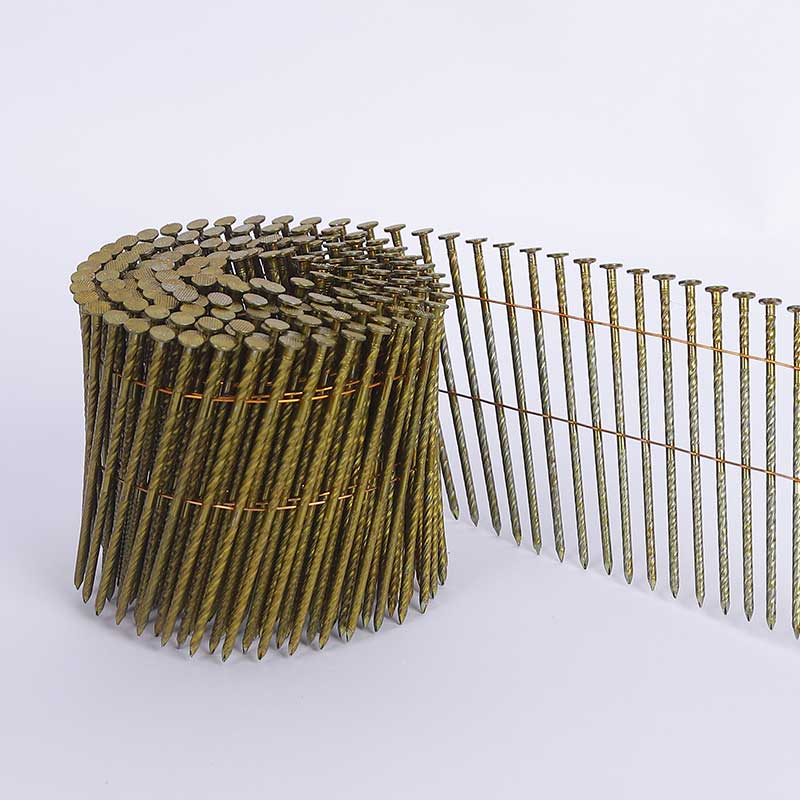
Different projects require different specifications. A good coil nail manufacturer should offer a wide range of products, including:
- Various nail lengths and diameters
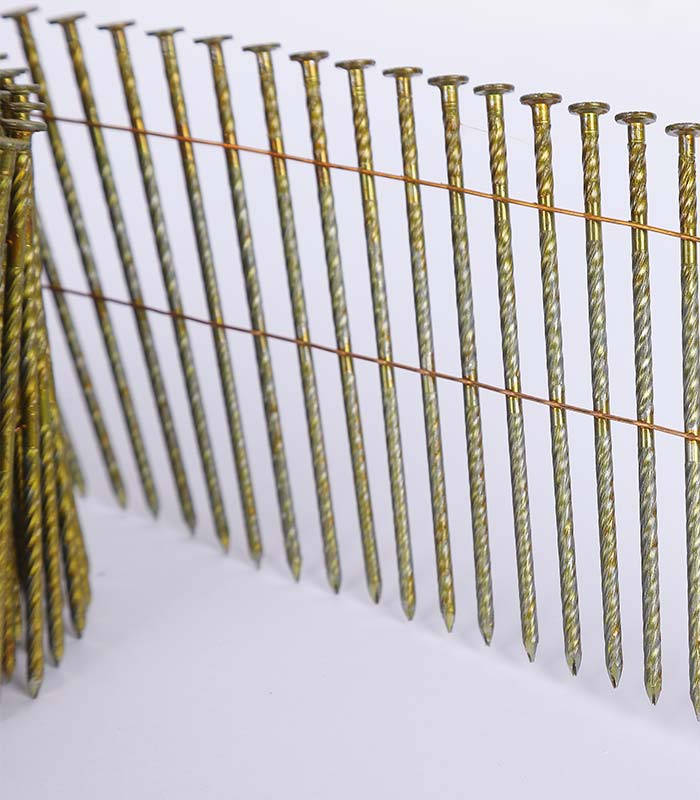
- Different shank types (smooth, ring, screw)
- Multiple surface coatings
- Custom packaging options
Customization capability is especially important for importers with specific market needs.
Comparison of Reliable vs Unreliable Manufacturers
| Criteria | Reliable Manufacturer | Unreliable Manufacturer |
|---|---|---|
| Raw Materials | High-quality steel wire | Low-grade or inconsistent material |
| Production Equipment | Automated and modern | Outdated or manual |
| Quality Control | Strict and systematic | Inconsistent or minimal |
| Product Consistency | Stable across batches | Frequent quality variation |
| Delivery Time | Reliable and predictable | Delays and uncertainty |
| Communication | Professional and responsive | Slow or unclear |
This comparison highlights why choosing a professional coil nail manufacturer is essential for long-term success.
Certifications and Standards to Look For
Certifications are an important indicator of a manufacturer’s credibility and quality standards.
ISO Certification
ISO-certified manufacturers follow internationally recognized quality management systems. This ensures consistency and reliability in production.
Export Experience
Manufacturers with export experience understand international standards, packaging requirements, and logistics processes. This reduces the risk of delays and compliance issues.
Product Testing Standards
Reliable manufacturers conduct mechanical testing to ensure nail strength, hardness, and coating performance meet required specifications.
How to Verify a Coil Nail Manufacturer
Request Product Samples
Before placing a large order, always request samples. This allows you to test product quality, including strength, coating, and consistency.
Conduct Factory Audits
If possible, visit the factory or request a virtual tour. This helps verify production capacity, equipment, and quality control systems.
Check Customer Reviews and Cases
Look for customer feedback, case studies, or export records. A reliable coil nail manufacturer should have proven experience serving international clients.
Evaluate Communication Efficiency
Professional communication is a strong indicator of reliability. Suppliers should respond quickly, provide clear information, and understand your requirements.
Choosing the Right Coil Nails for Your Market
Match Products to Application
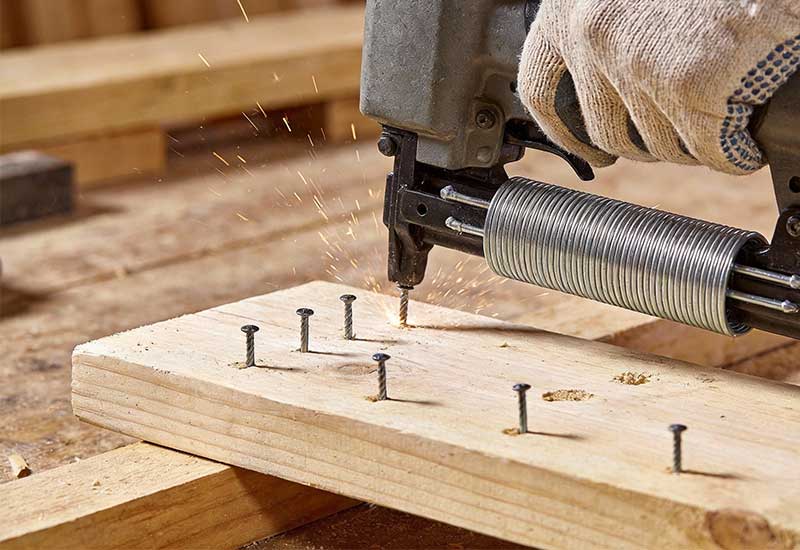
Different applications require different types of coil nails. For example, pallet manufacturing often uses ring shank nails, while construction may require different specifications.
Consider Climate Conditions
If your market involves high humidity or outdoor use, corrosion-resistant coatings such as galvanized or hot-dip galvanized nails are essential.
Understand Local Standards
Different countries may have specific standards for construction materials. Make sure your supplier can meet these requirements.
Common Mistakes When Choosing a Coil Nail Manufacturer
Many buyers make avoidable mistakes during supplier selection.
One common mistake is focusing only on price. Low prices often indicate compromised quality, which can lead to higher long-term costs.
Another mistake is ignoring quality control processes. Without strict inspection systems, product consistency cannot be guaranteed.
Some buyers also fail to verify supplier credibility, leading to unreliable partnerships.
Avoiding these mistakes can significantly reduce risks and improve procurement outcomes.
Benefits of Working with a Professional Manufacturer
Partnering with a reliable coil nail manufacturer offers several advantages.
You gain access to consistent product quality, stable supply capacity, and professional technical support. This helps improve your business efficiency and customer satisfaction.
In addition, experienced manufacturers can provide valuable recommendations based on your application needs, helping you choose the most suitable products.
Building a Long-Term Partnership
A successful supplier relationship goes beyond a single transaction. Long-term cooperation allows both parties to improve efficiency, reduce costs, and build trust.
Clear communication, stable orders, and mutual understanding are key factors in maintaining a strong partnership with your coil nail manufacturer.
Conclusion
Choosing a reliable coil nail manufacturer is essential for ensuring product quality, reducing risks, and achieving long-term business success. By evaluating factors such as production capacity, quality control, raw materials, and communication, buyers can make informed decisions.
Investing time in selecting the right supplier will lead to better performance, stronger customer relationships, and sustainable growth.
FAQ
How do I find a reliable coil nail manufacturer?
Start by evaluating production capacity, quality control systems, and customer feedback. Always request samples before placing bulk orders.
What certifications should a coil nail manufacturer have?
ISO certification and export experience are important indicators of reliability and quality standards.
Can coil nails be customized?
Yes, most professional manufacturers offer customization in size, coating, and packaging to meet specific requirements.
Why is quality control important in coil nail production?
Quality control ensures consistency, strength, and durability, which are essential for safe and reliable applications.