Table of Contents
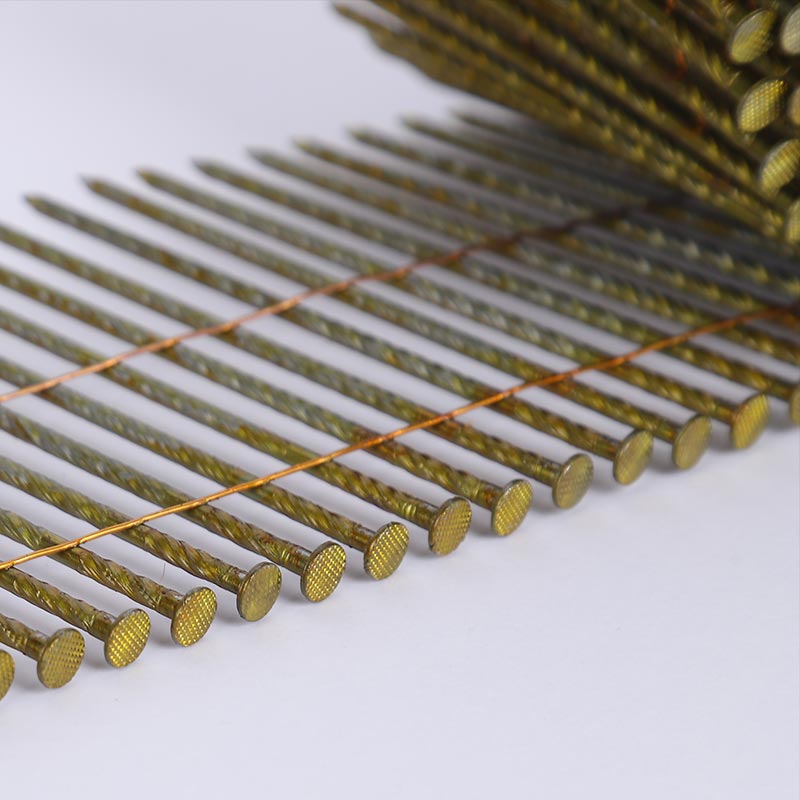
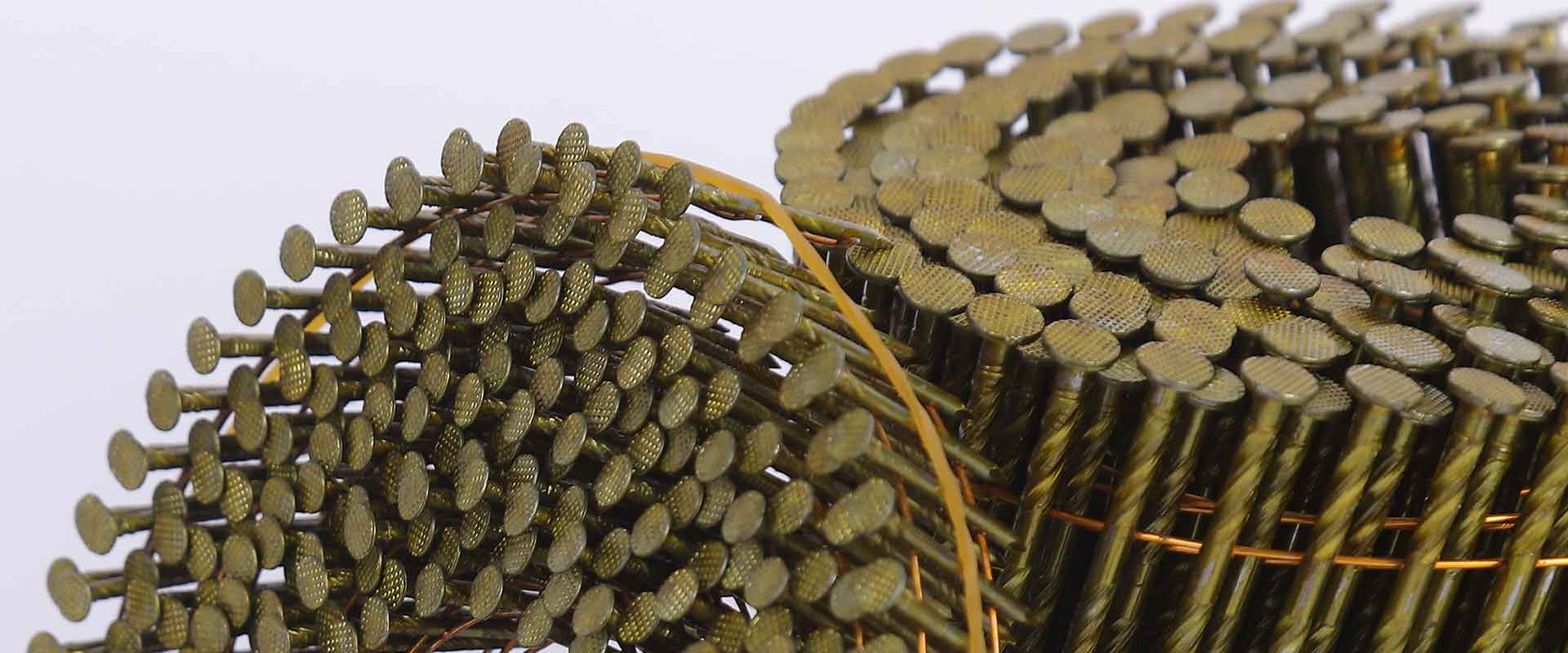
Coil nail packaging is more than a shipping detail. For importers, distributors, and factory buyers, packaging affects how the nails arrive, how easily they can be stored, and whether the coils keep their shape before they reach production. A technically correct nail can still create problems if cartons are crushed or moisture enters during transport.
This guide explains what buyers should check when reviewing coil nail packaging for export orders. It focuses on cartons, pallets, labels, moisture protection, and practical receiving checks that help protect product quality from the factory to the job site.
Why Packaging Is Part of Product Quality
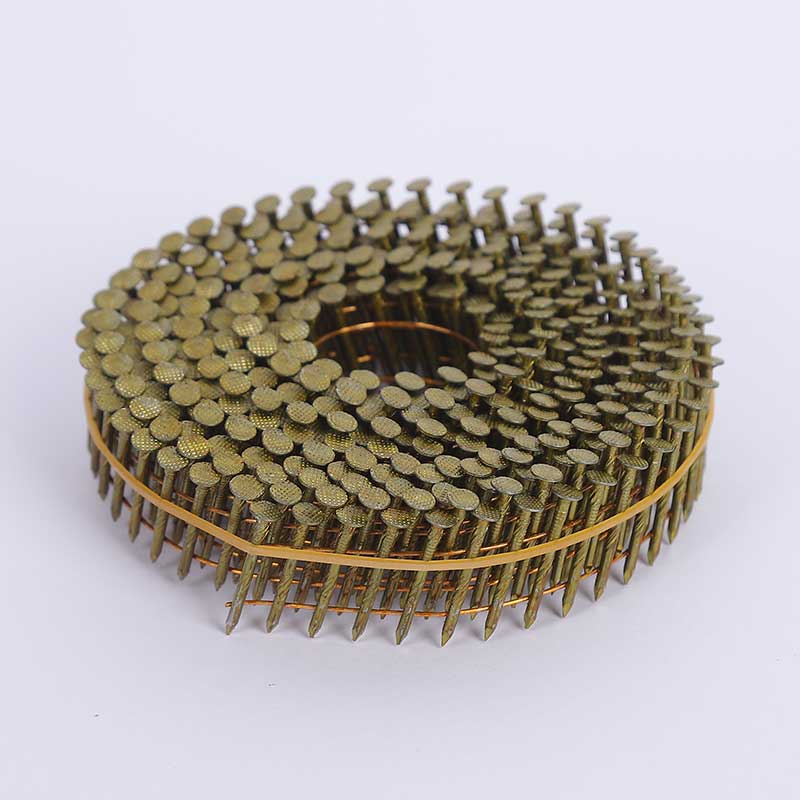
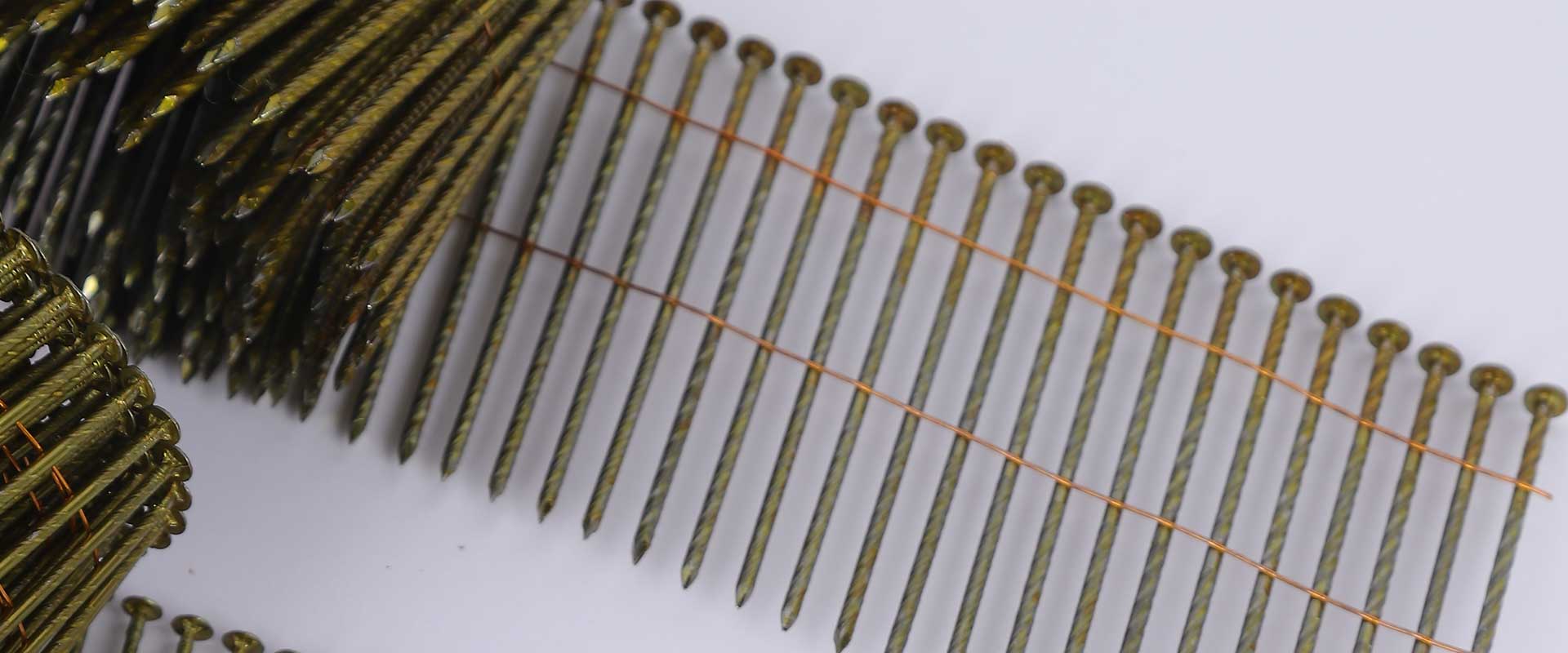
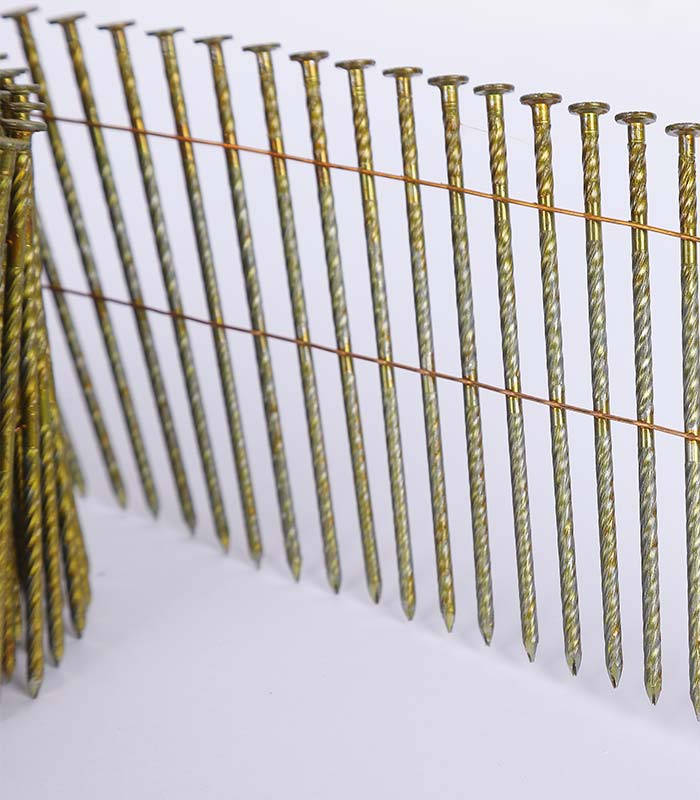
Packaging is part of quality because coil nails depend on stable shape and predictable feeding. If coils are compressed, the nailer magazine may not unwind them smoothly. If cartons are weak, lower layers can be damaged during stacking. If labels are unclear, a warehouse team may mix specifications that should stay separate.
Good coil nail packaging protects both the product and the purchasing process. It helps the buyer confirm that the right specification arrived, compare samples with production lots, and respond quickly if a customer reports a feeding or storage issue.
Carton Strength, Coil Count, and Labeling
Cartons should be strong enough for the nail weight inside. Coil nails are dense products, so carton strength, closure method, and internal arrangement matter. Buyers should confirm the number of coils per carton and whether the carton format matches local handling practices.
Clear labels are just as important as strong cardboard. Each carton should identify the nail size, shank type, coating, quantity, and batch details. For mixed orders, labels help warehouse staff separate similar-looking nails before they are sent to customers or production lines.
| Buyer Check | Why It Matters | Practical Action |
|---|---|---|
| Carton strength | Prevents crushed coils | Check wall thickness and closure |
| Batch labels | Supports traceability | Record lot and carton details |
| Pallet wrapping | Protects cartons in transit | Use stable stacking and wrap |
| Moisture control | Reduces rust risk | Keep cartons dry and sealed |
Moisture Protection for Long-Distance Shipping
Moisture is one of the main risks during long-distance shipping. Even galvanized nails should be packed and stored with care because condensation, damaged cartons, or wet warehouse floors can affect surface condition. Coil nail packaging should reduce exposure during sea freight, trucking, and storage.
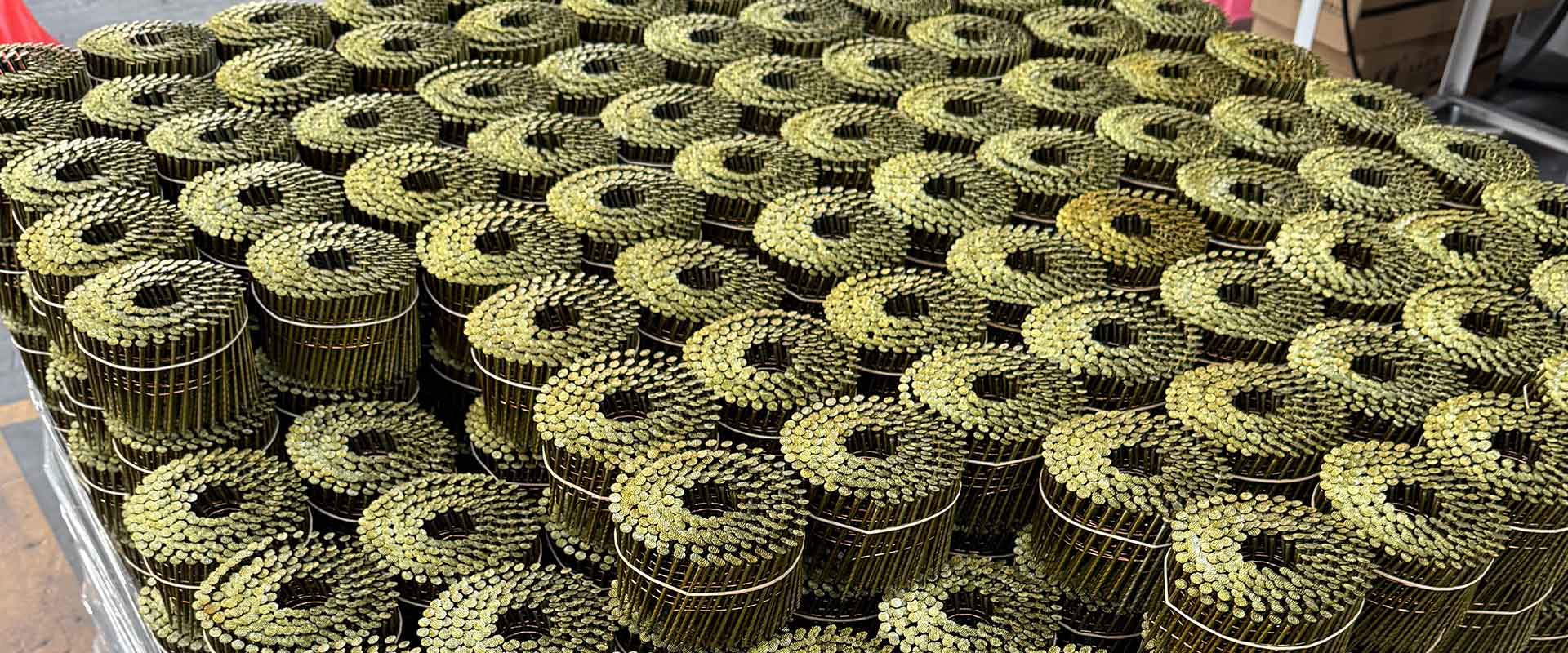
Buyers can also ask how cartons are palletized. Stable pallet stacking helps prevent deformation. Outer wrapping should protect cartons while still allowing practical handling. For product options used in demanding environments, see our coated coil nails page.
Inspection Steps Before Loading
Before loading or after receiving, inspect a few cartons from different pallet positions. Look for crushed corners, loose coils, rust spots, torn packaging, and unclear labels. Open sample cartons carefully and compare the contents with the purchase specification.
If damage is found, record carton numbers, batch labels, photos, and pallet position. This makes supplier communication much more useful than a general complaint. It also helps determine whether the issue came from packing, transport, or warehouse handling.
Questions Buyers Should Ask Suppliers
Before confirming an order, buyers should ask suppliers to explain the exact product standard, normal application range, packing method, and sample approval process. For coil nail packaging, this conversation should include the tool model, wood material, storage environment, and expected shipment route. Clear answers reduce the chance of misunderstanding after production has already started.
It is also useful to ask how the supplier controls consistency from batch to batch. Buyers need practical information such as inspection points, labeling method, carton details, and how the approved sample will be matched during repeat production. This makes coil nail packaging purchasing more predictable for importers and distributors.
Storage and After-Delivery Handling
After delivery, good handling protects the value of the order. Store cartons in a dry, stable area, keep labels visible, and avoid mixing similar specifications. If products are moved between warehouses, make sure the batch information stays with the goods so any future issue can be traced accurately.
These steps are simple, but they are often the difference between smooth repeat business and avoidable complaints. Whether the order is for coil nails, galvanized nails, screws, or mixed fasteners, practical storage and inspection habits help preserve product quality until the customer is ready to use it.
For purchasing teams, the safest approach is to write packaging requirements into the order document instead of leaving them in email notes. Include carton quantity, label format, pallet method, moisture protection, and inspection points. This keeps coil nail packaging decisions consistent when staff changes, suppliers update quotations, or customers request repeat shipments months later.
Final Buying Advice
The best coil nail packaging is practical, traceable, and strong enough for the route. It should protect coil shape, reduce moisture exposure, and make inventory control simple for distributors and end users.
When planning a bulk order, discuss packaging together with nail size, coating, and application. Our metal nail products page can help buyers review product types before confirming export packaging requirements.